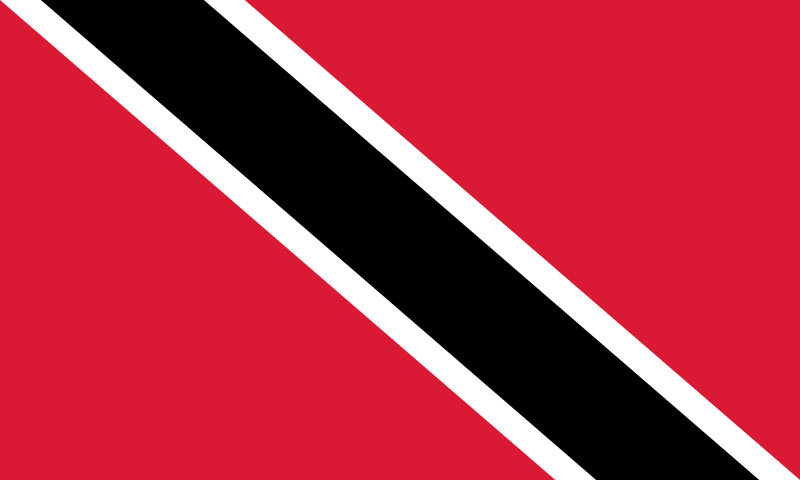
· TT

Couva

Couva, Couva/Tabaquite/Talparo, Trinidad and Tobago

Nestled in the heart of Trinidad and Tobago, the vibrant town of Couva is a hidden gem waiting to be explored by curious travelers. Located in the Couva/Tabaquite/Talparo region, this bustling town offers a unique blend …

#Couva#Trinidad and Tobago#Caribbean#Couva/Tabaquite/Talparo#Urban

Top hotels & flights

Hand-picked stays and the best fares into Couva.

Top Hotels in Couva

Top Flights to Couva

Popular activities

Tours, tickets and experiences travelers book most in Couva.

Tours

Pointe-à-Pierre Wildfowl Trust

A sanctuary focused on the conservation of wetland birds and habitats.

Hanuman Murti

This towering statue of the Hindu god Hanuman is a symbol of faith and craftsmanship.

Shopping

San Antonio Green Market

Local farmers' market offering fresh produce and artisanal goods.

Outdoor

La Vega Estate

A lush estate offering botanical gardens and outdoor activities.

Madoo Bird Tours

Guided bird watching tours in Trinidad's rich biodiversity.

Location videos

Real reels from travelers, plus longer watches to get the full picture.

Watch & explore

Practical info

The essentials for planning your time in Couva.

Currency
TT$ | TTD | Trinidad and Tobago Dollar
Population
Not Available
Languages
English, English, Hindi, Spanish, French
Average weather
Couva
Jan
sun
30°22°
Feb
sun
30°22°
Mar
sun
31°23°
Apr
sun
32°23°
May
rain
32°24°
Jun
rain
31°24°
Jul
rain
31°24°
Aug
rain
31°24°
Sep
rain
31°24°
Oct
rain
31°24°
Nov
rain
31°23°
Dec
sun
30°23°

Local guide

What travelers love, what to watch for, and a deeper read on Couva.

What people love

Couva in Trinidad and Tobago offers a unique travel experience with a mix of urban and rural attractions. Some of the pros of traveling to Couva include:

  1. Central Location: Couva is centrally located in Trinidad and Tobago, making it a convenient base for exploring other parts of the island.

  2. Cultural Diversity: Couva is known for its diverse population, offering visitors a chance to experience a blend of cultures, traditions, and cuisines.

  3. Natural Beauty: Couva is surrounded by lush greenery and is close to scenic spots such as the Caroni Swamp, Pointe-a-Pierre Wildfowl Trust, and the Central Range mountains.

  4. Sporting Events: Couva is home to the Ato Boldon Stadium, a major sports venue where visitors can catch local and international sporting events.

  5. Festivals and Events: Couva hosts various cultural events and festivals throughout the year, providing visitors with an opportunity to immerse themselves in the vibrant local culture.

  6. Shopping and Dining: Couva offers a range of shopping options, from local markets to modern malls, as well as a variety of dining establishments serving both local and international cuisine.

  7. Warm Hospitality: Visitors to Couva can expect a warm and welcoming atmosphere, with locals known for their friendly and hospitable nature.

Overall, traveling to Couva can provide a well-rounded experience of Trinidad and Tobago, offering a mix of natural beauty, cultural diversity, and vibrant local life.

Enjoy your trip to Couva!

What to know

Some potential cons of traveling to Couva, Trinidad and Tobago, could include:

  1. Limited tourist infrastructure: Couva may not have as many tourist amenities and accommodations compared to more popular tourist destinations in Trinidad and Tobago. This could result in fewer options for dining, accommodations, and activities.

  2. Transportation challenges: Getting around Couva and the surrounding areas may be more difficult without a rental car or access to reliable public transportation. This could limit your ability to explore the area independently.

  3. Safety concerns: While Trinidad and Tobago is generally a safe destination for travelers, as with any place, it's important to be mindful of your surroundings and take necessary precautions to avoid becoming a target for crime.

  4. Limited English proficiency: While English is the official language of Trinidad and Tobago, you may encounter some locals in Couva who speak primarily Trinidadian Creole or other languages. This could potentially create communication barriers during your visit.

Please note that these are general considerations and may not apply to every traveler's experience. It's always a good idea to research and plan ahead to ensure a safe and enjoyable trip.

Couva is a town in the Couva/Tabaquite/Talparo region of Trinidad and Tobago, located on the west coast of the island of Trinidad. It is known for its agricultural and industrial contributions to the country.

Early History

Couva's history is deeply linked to the sugar industry, which played a crucial role in its development. The area was initially inhabited by indigenous peoples, but it saw significant changes with the arrival of European colonizers. During the colonial period, the fertile lands around Couva were used for sugar cane plantations.

Colonial Era and Sugar Industry

During the British colonial era, sugar production was a major economic activity in Trinidad, and Couva was no exception. The area's economy was predominantly based on sugar, and this led to the establishment of several sugar estates. The sugar industry brought in a large number of indentured laborers from India, whose descendants form a significant portion of the population in Couva today.

Post-Colonial Developments

After Trinidad and Tobago gained independence in 1962, the town of Couva began to diversify its economy. The decline of the sugar industry led to a shift towards industrialization. The establishment of the Point Lisas Industrial Estate in the 1970s marked a significant turning point for Couva. This industrial estate became a hub for petrochemical industries and contributed greatly to the economic development of the region.

Significant Events

Couva has witnessed various significant events, particularly related to labor movements and industrial development. The region has been a focal point for labor rights due to its history with the sugar industry and later with industrial workers at Point Lisas.

Notable Figures

While Couva may not be associated with specific historical figures on the national stage, the region has produced many local leaders and activists who have contributed to its development and the well-being of its community.

Landmarks

  1. Point Lisas Industrial Estate: This is one of the largest industrial estates in the Caribbean and a major center for the petrochemical industry.
  2. Ato Boldon Stadium: Named after the famous Trinidadian sprinter, this stadium in Couva is used for various sporting events.
  3. Indian Caribbean Museum of Trinidad and Tobago: Located in nearby Waterloo, this museum showcases the history and culture of the Indian diaspora in Trinidad and Tobago.

Cultural Influence

The cultural landscape of Couva is rich and diverse, influenced by its African, Indian, and European heritage. Festivals such as Diwali and Carnival are celebrated with enthusiasm, reflecting the area's multicultural makeup.

In summary, Couva is a town with a rich history rooted in agriculture and industrial development. It continues to play an important role in the economy of Trinidad and Tobago and is a vibrant community with a diverse cultural heritage.