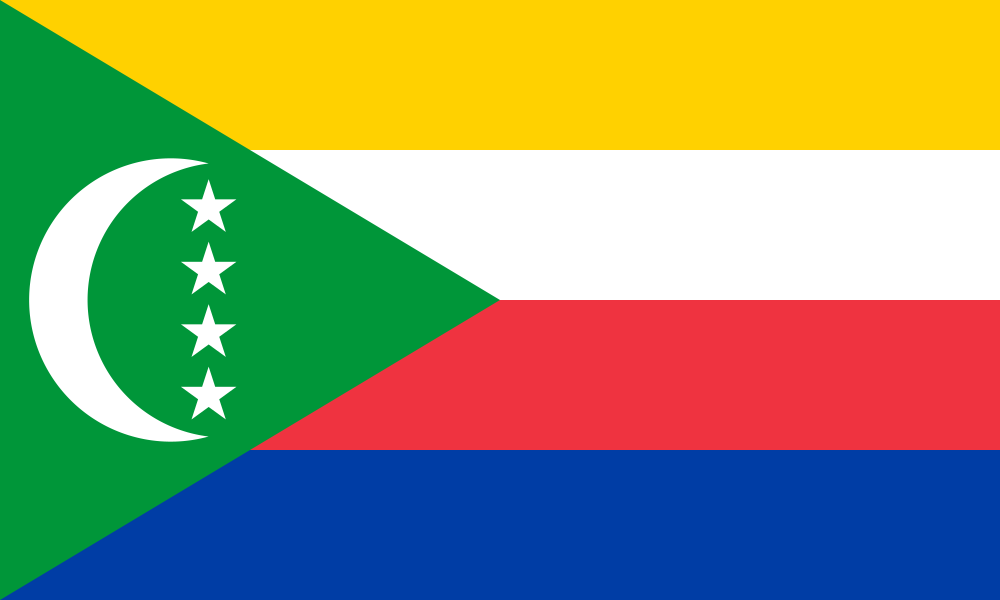
· KM

Comoros

Comoros

Comoros, a hidden gem in the Indian Ocean, is a captivating destination waiting to be explored by adventurous travelers seeking an off-the-beaten-path experience. This archipelago nation, located off the eastern coast of…

#Island nation#Indian Ocean#East Africa#Volcanic islands#French colonial history

Top hotels & flights

Hand-picked stays and the best fares into Comoros.

Top Hotels in Moroni

Top Flights to Moroni

Popular activities

Tours, tickets and experiences travelers book most in Comoros.

Tours

Chomoni Beach Relaxation

Spend a day at one of Comoros' stunning beaches, Chomoni Beach, known for its white sand and crystal clear waters.

Shopping

Moroni Market Tour

Discover the vibrant local culture by exploring the bustling Moroni Market, full of local crafts, spices, and fresh produce.

Outdoor

Mount Karthala Hike

Experience the breathtaking views and unique volcanic landscape while hiking Mount Karthala, one of the largest active volcanos in the world.

Location videos

Real reels from travelers, plus longer watches to get the full picture.

Watch & explore

Practical info

The essentials for planning your time in Comoros.

Currency
KMF | KMF | Comorian franc
Population
0.9 million
Languages
Comorian, Arabic, French
Average weather
Comoros
Jan
rain
30°24°
Feb
rain
30°24°
Mar
rain
30°24°
Apr
rain
29°23°
May
cloud
28°22°
Jun
cloud
27°21°
Jul
cloud
26°20°
Aug
cloud
26°20°
Sep
clear
27°21°
Oct
clear
28°22°
Nov
sun
29°23°
Dec
rain
30°24°

Local guide

What travelers love, what to watch for, and a deeper read on Comoros.

What people love

Comoros is a beautiful destination with several advantages for travelers. Here are some pros of traveling to Comoros:

  1. Stunning Scenery: Comoros is known for its picturesque landscapes, including lush green mountains, white sandy beaches, and crystal-clear waters. Travelers can enjoy the natural beauty and explore the diverse ecosystems found on the islands.

  2. Rich Culture: Comoros has a unique cultural heritage influenced by African, Arab, and French traditions. Travelers can experience local customs, cuisine, music, and dance, providing an enriching cultural experience.

  3. Diverse Marine Life: Comoros offers excellent opportunities for snorkeling and diving, with vibrant coral reefs teeming with marine life. Visitors can explore the underwater world and encounter a variety of fish, turtles, and other marine species.

  4. Authentic Island Experience: Comoros is less developed than other tourist destinations, offering a more authentic and off-the-beaten-path experience. Travelers can escape the crowds and enjoy a peaceful and tranquil environment.

  5. Warm Hospitality: The people of Comoros are known for their friendly and welcoming nature. Travelers can interact with locals, learn about their way of life, and immerse themselves in the warm hospitality of the islands.

Overall, traveling to Comoros can be a rewarding experience for those seeking natural beauty, cultural immersion, and a peaceful getaway.

What to know

Traveling to Comoros, like any destination, has its own set of challenges and cons that travelers should be aware of. Some potential cons of traveling to Comoros include:

  1. Limited infrastructure: Comoros is a developing country with limited infrastructure, including roads, accommodations, and healthcare facilities. Travelers may encounter difficulties in finding reliable transportation and basic services.

  2. Political instability: Comoros has a history of political instability and occasional unrest. Travelers should stay informed about the current political situation and exercise caution, especially in times of political tension.

  3. Health risks: Comoros is a tropical country where diseases such as malaria, dengue fever, and cholera are prevalent. Travelers should take appropriate health precautions, such as getting vaccinations and taking antimalarial medication.

  4. Language barrier: The official languages of Comoros are Comorian, French, and Arabic. English may not be widely spoken, which can make communication challenging for English-speaking travelers.

  5. Limited tourist infrastructure: Comoros is not a mainstream tourist destination, so amenities and services catered to tourists may be limited. Travelers should be prepared for a more rustic travel experience compared to more popular tourist destinations.

It's important for travelers to research and plan ahead before visiting Comoros to ensure a safe and enjoyable trip.

The Comoros, officially known as the Union of the Comoros, is an archipelago located in the Indian Ocean off the eastern coast of Africa. Its history is rich and diverse, influenced by African, Arab, and European cultures.

Early History

  • Settlement and Early Inhabitants: The islands were first settled by Bantu-speaking people from East Africa, likely around the 6th century. Later, Arab traders and settlers from Persia, Arabia, Indonesia, and Madagascar arrived, bringing Islam and integrating into the local culture.
  • Sultanates: By the 15th century, the islands were divided into numerous sultanates. Islam became the dominant religion, and the Comoros became part of the Swahili Coast trade network.

European Colonization

  • Portuguese and French Influence: The Portuguese were the first Europeans to reach the islands in the 16th century. However, it was the French who established a more lasting presence in the 19th century. They sought control due to the islands' strategic location along the Mozambique Channel.
  • French Colonization: In 1841, France formally annexed Mayotte. By 1886, the other islands (Grande Comore, Anjouan, and Mohéli) became French protectorates, and in 1912, they were fully integrated into the colonial empire.

Path to Independence

  • World War II and Aftermath: During WWII, Comoros was under Vichy control until the Free French took over. Post-war, the islands were administratively combined with Madagascar until 1946 when they became a separate French overseas territory.
  • Independence Movement: The movement for independence gained momentum in the 1960s, with several parties and leaders advocating for autonomy. Ahmed Abdallah, a prominent figure, played a significant role in the push for independence.

Independence and Political Turmoil

  • Independence: Comoros declared independence from France on July 6, 1975. However, Mayotte chose to remain under French administration, a situation that continues to cause tension.
  • Political Instability: The post-independence period was marked by coups and political instability. Ahmed Abdallah was overthrown shortly after independence, leading to a series of coups and regime changes.
  • Bob Denard: A French mercenary known as Bob Denard was involved in several coups between the 1970s and 1990s, affecting the nation's political landscape.

Recent Developments

  • Reconciliation Efforts: In the early 2000s, efforts were made to stabilize the political situation. A new constitution was adopted in 2001, creating a Union of the Comoros that allowed for greater autonomy of the individual islands.
  • Presidential Rotations: The presidency rotates every five years among the islands, an arrangement meant to promote unity and stability.

Significant Landmarks

  • Mount Karthala: An active volcano on Grande Comore, it is one of the largest active volcanoes in the world and a significant geographical feature of the islands.
  • Old Friday Mosque (Mosquée du Vendredi): Located in the capital, Moroni, it is one of the oldest and most significant religious sites in Comoros.
  • Palace of Mutsamudu: Situated on the island of Anjouan, it reflects the history and culture of the sultanates that once ruled the islands.

Comoros continues to navigate challenges such as political stability, economic development, and its relationship with France over the issue of Mayotte. Despite these challenges, it remains a culturally rich and historically significant nation in the Indian Ocean.