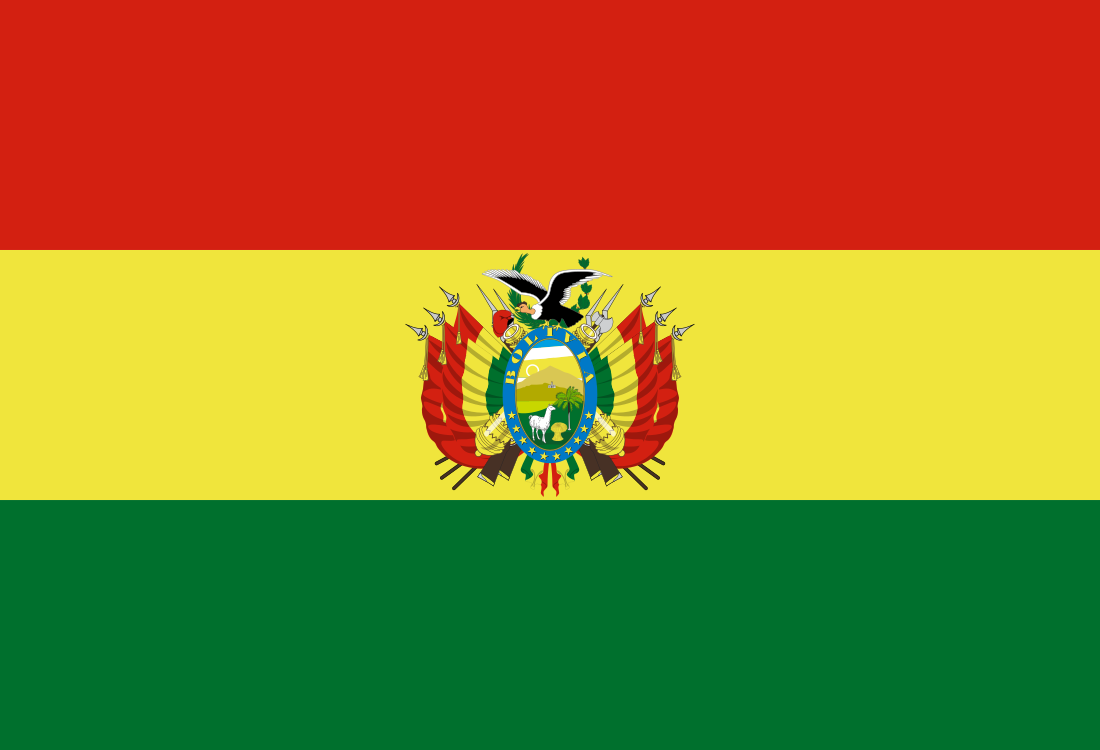
Colcapirhua is a municipality located in the Cochabamba Department of Bolivia. It is part of the metropolitan area surrounding the city of Cochabamba, which is the administrative capital of the department. Here is a detailed history and description of Colcapirhua:
Historical Background
-
Pre-Columbian Era: The Cochabamba region, including the area that is now Colcapirhua, was originally inhabited by indigenous groups such as the Quechua and the Aymara. These groups were known for their agricultural practices and complex societies.
-
Inca Empire: Before the arrival of the Spanish, the area was part of the Inca Empire, which extended its influence over much of the Andean region. The Incas utilized the fertile valleys of Cochabamba for agriculture, primarily to grow maize and other crops essential for sustaining their empire.
-
Spanish Colonial Period: Following the Spanish conquest in the 16th century, the region saw significant changes. The Spanish established settlements and introduced new agricultural techniques, along with their culture and religion. Colcapirhua, like many other areas, became part of the colonial administrative system.
Post-Independence
-
19th and 20th Century: During the post-independence era, Colcapirhua, along with the rest of Bolivia, underwent various political and social changes. The region maintained its agricultural roots but also began to see the effects of modernization and urbanization over time.
-
Modern Era: In recent decades, Colcapirhua has become increasingly integrated into the metropolitan area of Cochabamba. The municipality has seen population growth and infrastructure development, driven by its proximity to the city of Cochabamba.
Significant Events and Figures
-
Agricultural Development: The development of agriculture has been a significant event in the history of Colcapirhua. The region’s fertile soil has supported generations of farmers and has been a central part of its economy.
-
Urbanization: The expansion of Cochabamba has led to increased urbanization in Colcapirhua, transforming it into a more residential and commercial area.
Important Landmarks
-
Local Churches: Colcapirhua has several churches and religious sites that reflect its colonial heritage and the influence of Christianity, which was introduced by the Spanish.
-
Cultural and Community Centers: These centers serve as venues for local events and activities, promoting cultural preservation and community engagement.
Culture and Community
Colcapirhua, like much of the Cochabamba region, has a rich cultural heritage, influenced by both indigenous and Spanish traditions. Festivals, traditional music, and dance are integral to community life. The region is also known for its local cuisine, which features a blend of indigenous and Spanish influences.
Conclusion
Colcapirhua is a municipality with a rich history that reflects the broader historical and cultural trends of the Cochabamba region. While it has maintained its agricultural roots, it is also adapting to the changes brought by urbanization and modernization. The community continues to celebrate its cultural heritage while looking towards the future.
If you need more specific details or information about particular events, figures, or landmarks in Colcapirhua, further research or local historical sources may be necessary.