
Civitavecchia
· IT

Civitavecchia

Civitavecchia, Lazio, Italy

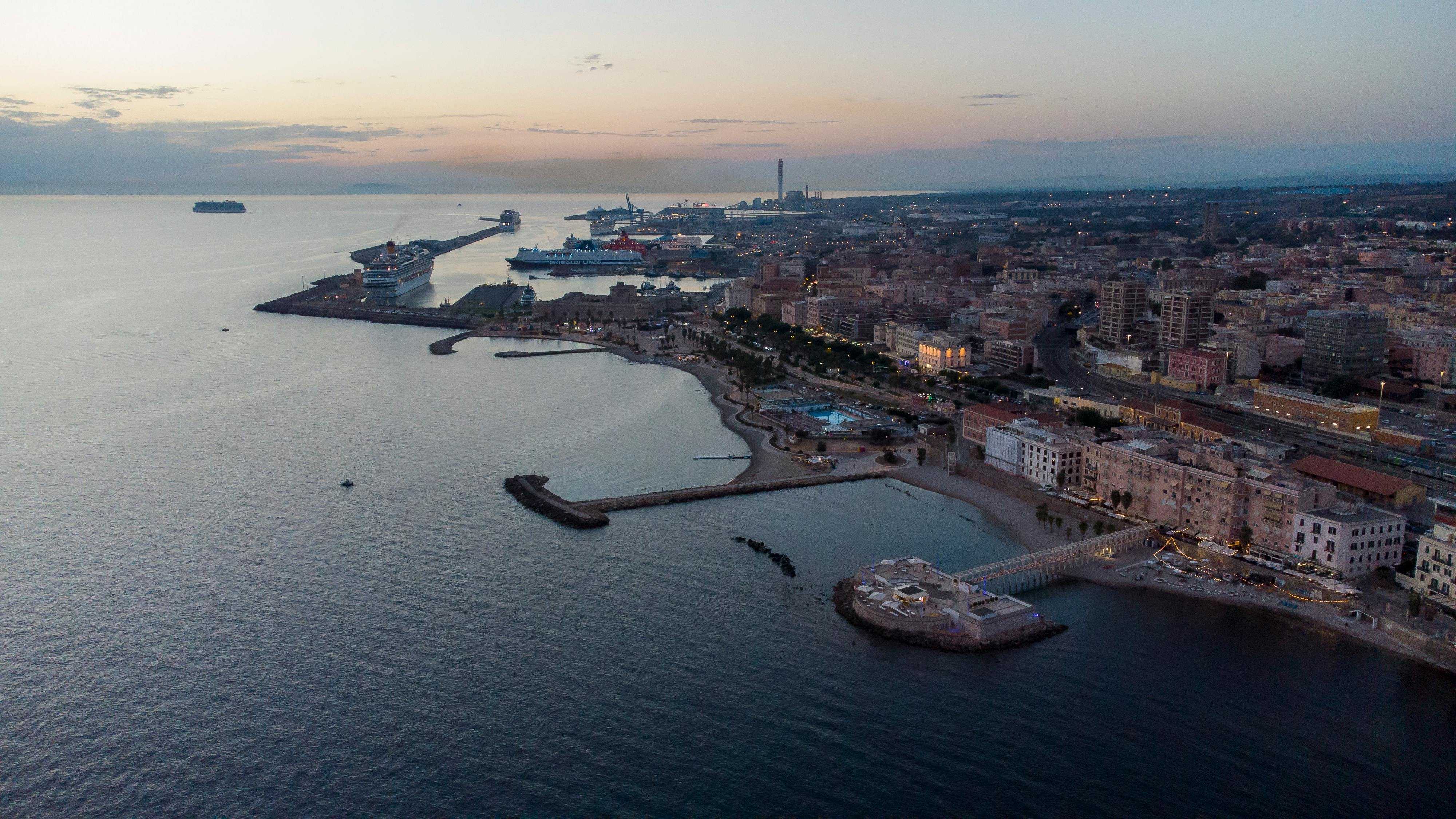
Civitavecchia: Gateway to Rome and Ancient Treasures While often considered just a cruise port, Civitavecchia, Lazio, Italy, offers so much more than meets the eye. This vibrant city, nestled on the Tyrrhenian coast, is …

#Port city#Historic architecture#Mediterranean Sea#Cruise destination#Roman ruins
1/4

Top hotels & flights

Hand-picked stays and the best fares into Civitavecchia.

Top Hotels in Civitavecchia

Top Flights to Civitavecchia

Location videos

Real reels from travelers, plus longer watches to get the full picture.

From travelers
Watch & explore

Practical info

The essentials for planning your time in Civitavecchia.

Currency
€ | EUR | Euro
Population
The approximate estimated total population of Civitavecchia, Lazio, Italy is around 53,000.
Languages
Italian, Italian
Average weather
Civitavecchia
Jan
cloud
12°4°
Feb
cloud
13°5°
Mar
rain
15°6°
Apr
sun
18°8°
May
clear
22°12°
Jun
sun
26°16°
Jul
hot
29°19°
Aug
hot
29°19°
Sep
sun
26°17°
Oct
rain
22°13°
Nov
cloud
17°9°
Dec
cloud
13°5°

Local guide

What travelers love, what to watch for, and a deeper read on Civitavecchia.

What people love

Civitavecchia, located in the Lazio region of Italy, is a popular port city with several pros for travelers:

  1. Gateway to Rome: Civitavecchia serves as the main port of Rome, making it a convenient starting point for exploring the historic city of Rome. Visitors can easily take a train or bus from Civitavecchia to reach Rome and explore its famous attractions such as the Colosseum, Vatican City, and Trevi Fountain.

  2. Cruise Port: Civitavecchia is a major cruise port in Italy, welcoming numerous cruise ships throughout the year. Travelers can embark on Mediterranean cruises from Civitavecchia, exploring multiple destinations in one trip.

  3. Beaches: Civitavecchia is known for its beautiful beaches along the Tyrrhenian Sea. Visitors can relax on the sandy shores, soak up the sun, and enjoy various water activities such as swimming, snorkeling, and sailing.

  4. Local Cuisine: The city offers a variety of dining options where travelers can savor authentic Italian cuisine, including fresh seafood dishes. Civitavecchia's waterfront restaurants provide a picturesque setting for enjoying a meal with views of the sea.

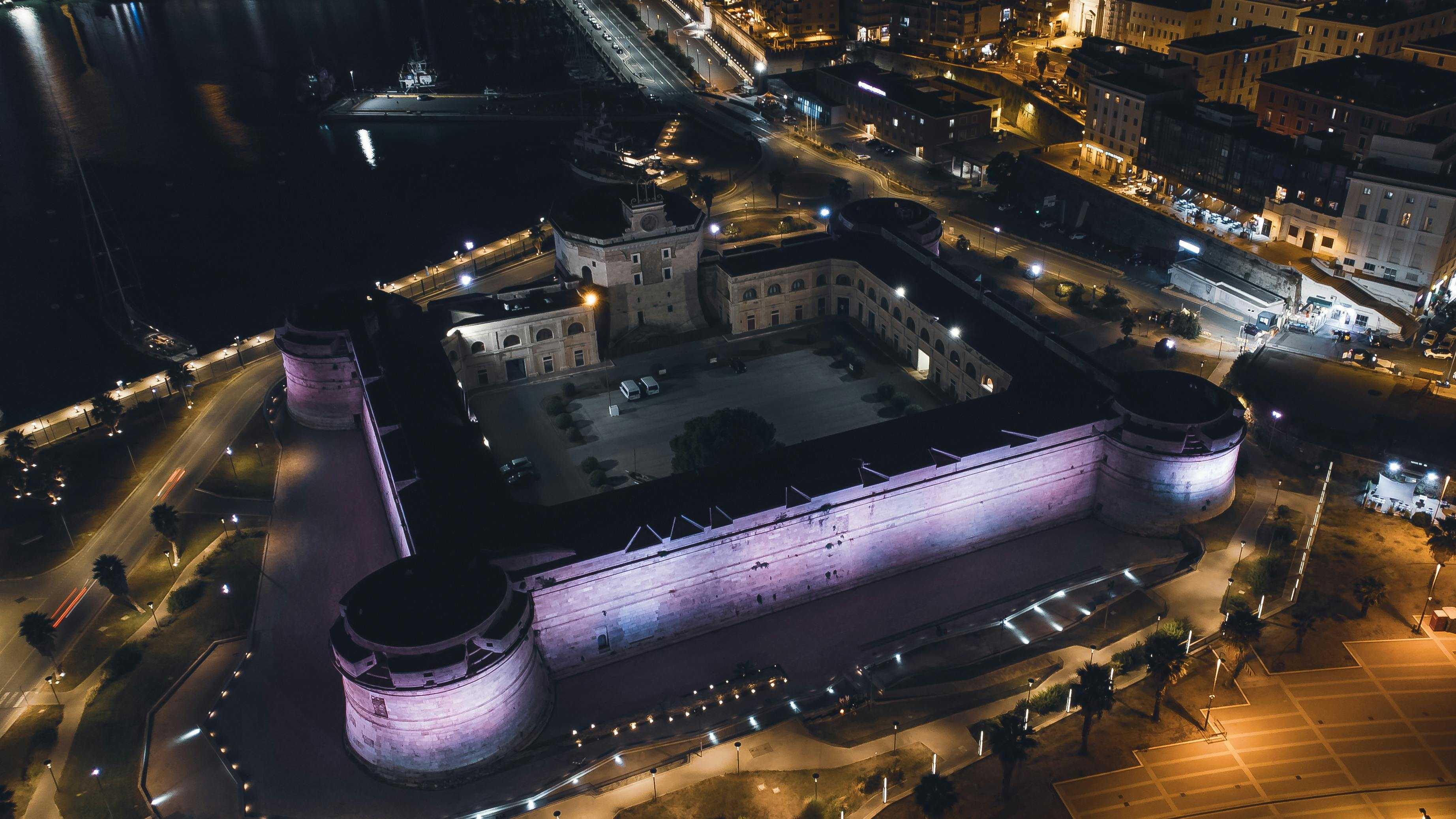
  5. Historical Sites: Civitavecchia itself has some historical sites worth exploring, such as the Michelangelo Fort, built in the 16th century to defend the city from pirate attacks. The Cathedral of San Francesco d'Assisi and the Archaeological Museum of Civitavecchia are also notable attractions.

Overall, traveling to Civitavecchia offers a combination of convenient access to Rome, seaside relaxation, culinary delights, and historical exploration, making it an appealing destination for tourists.

(Note: The information provided is based on general knowledge and may vary based on current conditions. It's always recommended to check for the latest travel updates and local guidelines before planning a trip.)

What to know

Traveling to Civitavecchia, located in Lazio, Italy, does have some drawbacks that you may want to consider:

  1. Limited Tourist Attractions: Civitavecchia is primarily known as a port city for cruise ships, so it may not offer as many tourist attractions or historical sites compared to other Italian cities. While there are some interesting spots like the Forte Michelangelo and the Cathedral of San Francesco, the city itself might not be as bustling with tourist activities.

  2. Industrial Port Area: Civitavecchia is a major port city, and as such, it has a more industrial and commercial feel to it. The port area can be busy and not as picturesque as other coastal towns in Italy.

  3. Transportation: While Civitavecchia is well-connected by train and bus to Rome and other parts of Italy, the transportation infrastructure within the city itself may not be as convenient for tourists. Navigating the city might require some planning and patience.

  4. Crowds and Cruise Ship Traffic: During the peak cruise season, Civitavecchia can get crowded with cruise ship passengers, leading to lines and congestion in popular areas.

  5. Limited Dining and Nightlife Options: While there are restaurants and bars in Civitavecchia, the dining and nightlife scene may not be as vibrant or diverse as in larger Italian cities.

Overall, while Civitavecchia can be a convenient stop for cruise passengers or as a gateway to Rome, it may not offer the same cultural richness and tourist amenities as other destinations in Italy.

Civitavecchia, located in the Lazio region of Italy, is a significant port city with a rich history that dates back to ancient times. Here's a detailed look at its history, significant events, historical figures, and important landmarks:

Ancient and Roman Period

  • Origins: Civitavecchia's origins can be traced back to the Etruscans, but it was during Roman times that the city became prominent. The port, known as Centumcellae, was established by Emperor Trajan in the early 2nd century AD, around 106 AD, to serve as a harbor for Rome and support its naval fleet.
  • Trajan's Harbor: The construction of the harbor was a significant event, as it facilitated trade and military movements. It became one of the most important ports of the Roman Empire.
  • Roman Architecture: Important Roman architecture from this period includes parts of the ancient harbor structures and baths.

Middle Ages

  • Destruction and Rebuilding: Over the centuries, Civitavecchia faced numerous attacks and invasions, including those by the Vandals and Saracens. It was rebuilt several times, and its medieval character began to form.
  • Papal Influence: The city came under the control of the Papal States, and its fortifications were strengthened. The Papal influence is evident in several structures, including the city walls.
  • Fort Michelangelo: Commissioned by Pope Julius II in the early 16th century and completed under Michelangelo's supervision, this fortress remains a key landmark. It was built to protect the city from pirate attacks.

Renaissance to Modern Era

  • Economic Development: During the Renaissance, Civitavecchia continued to develop as an important maritime hub. Its strategic location made it a focal point for trade and military logistics.
  • Modernization: In the 19th and 20th centuries, the city modernized its port facilities to accommodate larger ships and increased commercial activity.

World War II

  • Bombing and Reconstruction: Civitavecchia suffered extensive damage from Allied bombings during World War II due to its strategic importance as a port. Post-war, the city underwent significant reconstruction.

Significant Landmarks

  • Fort Michelangelo: A Renaissance-era fortress that is a symbol of the city. Visitors can still explore parts of this impressive structure.
  • Rocca (Castle of Civitavecchia): Originally built during the Middle Ages, it has been modified over the centuries and serves as a reminder of the city’s defensive past.
  • Cathedral of San Francesco d'Assisi: This church, built in the 17th century, is one of the city's main religious sites.
  • Terme Taurine: The ancient Roman baths located just outside the city, showcasing the advanced engineering of Roman times.

Modern Civitavecchia

  • Port City: Today, Civitavecchia is a major ferry and cruise ship port, serving as a gateway for tourists visiting Rome and other parts of Italy.
  • Cultural Hub: The city hosts various cultural and historical events, celebrating its rich heritage and maritime significance.

Civitavecchia's history is marked by its strategic importance as a port city, its resilience through periods of conflict, and its continuous evolution into a modern maritime hub.