


Top hotels & flights
Hand-picked stays and the best fares into Chūō-ku.
Top Hotels in Chūō-ku
Top Flights to Chūō-ku
Location videos
Real reels from travelers, plus longer watches to get the full picture.
Practical info
The essentials for planning your time in Chūō-ku.


Local guide
What travelers love, what to watch for, and a deeper read on Chūō-ku.
What people love
Chūō-ku in Tokyo, Japan is a vibrant and bustling district known for its mix of modern and traditional attractions. Here are some pros of traveling to Chūō-ku:
-
Convenient Location: Chūō-ku is located in the heart of Tokyo, making it a convenient base for exploring the city. It is well-connected by public transportation, including train lines and bus routes.
-
Shopping: Chūō-ku is home to some of Tokyo's most famous shopping districts, such as Ginza and Nihonbashi. These areas offer a wide range of high-end boutiques, department stores, and luxury brands.
-
Cultural Attractions: Visitors to Chūō-ku can explore traditional Japanese culture at places like Tsukiji Fish Market, which is one of the largest and busiest fish markets in the world. Other cultural attractions include temples, shrines, and historic buildings.
-
Dining: Chūō-ku is a food lover's paradise, with a wide variety of dining options ranging from Michelin-starred restaurants to casual street food stalls. Visitors can enjoy fresh sushi at Tsukiji Fish Market, or try local specialties like monjayaki and tempura.
-
Nightlife: Chūō-ku offers a vibrant nightlife scene with plenty of bars, clubs, and izakayas to choose from. Visitors can enjoy a night out in areas like Ginza or Kabukicho, which come alive after dark.
-
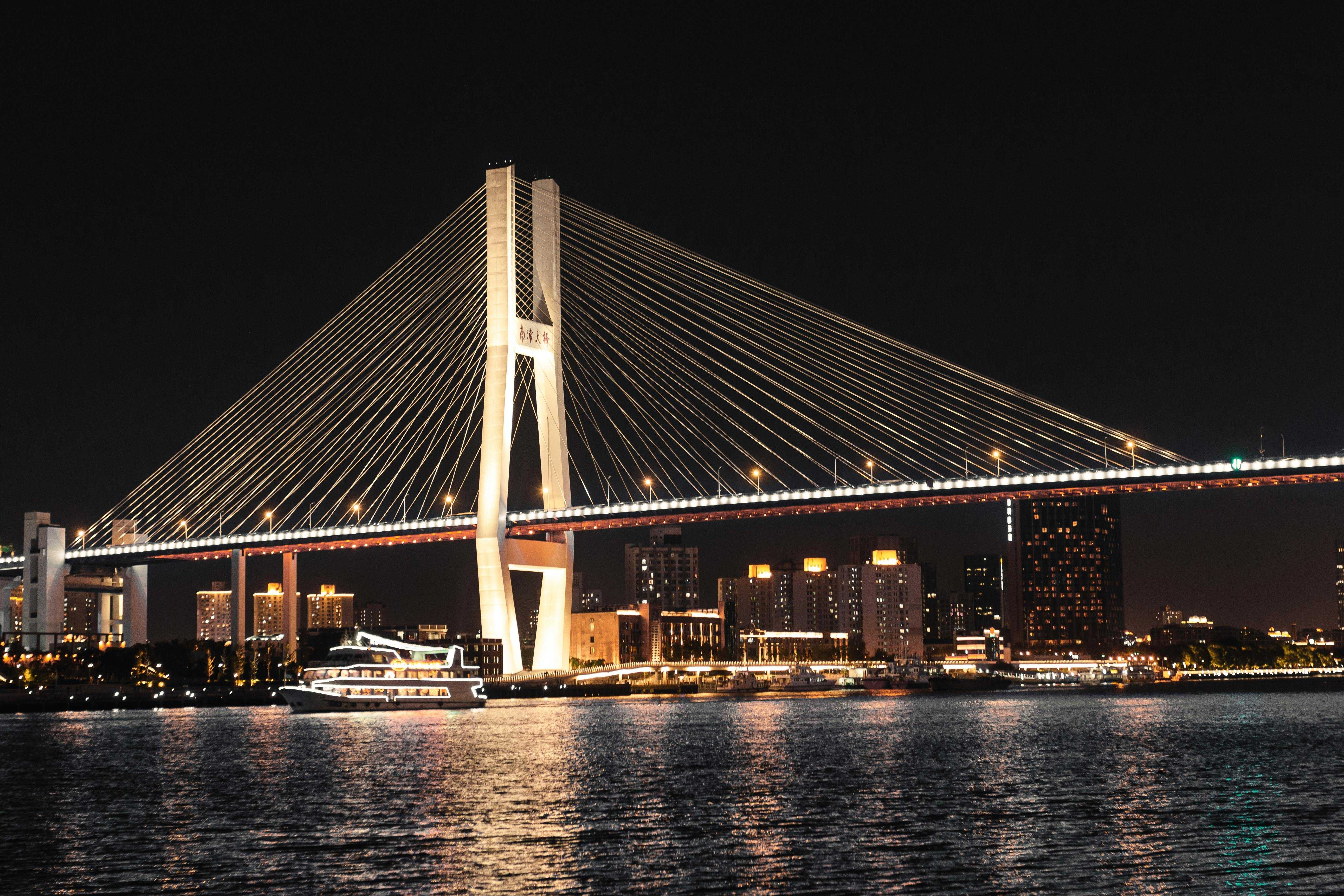
River Cruises: Chūō-ku is located along the Sumida River, offering opportunities for scenic river cruises. Visitors can enjoy views of Tokyo's skyline from the water, especially during the cherry blossom season.
Overall, Chūō-ku in Tokyo offers a perfect blend of modern amenities, cultural experiences, and convenient location, making it a desirable destination for travelers.
What to know
Chūō-ku in Tokyo, Japan is a popular tourist destination with many attractions and amenities. However, there are also some potential cons to consider when traveling to Chūō-ku:
-
Crowded Streets: Chūō-ku is a bustling district in Tokyo, known for its busy streets and crowded sidewalks. The high population density and heavy foot traffic can make it challenging to navigate, especially during peak tourist seasons.
-
High Cost of Living: Tokyo, in general, is known for being an expensive city to visit. Chūō-ku is no exception, with pricey accommodations, dining options, and shopping experiences. Travelers on a budget may find it challenging to find affordable options in this area.
-
Language Barrier: While many people in Tokyo speak English, there may still be language barriers, especially in more local or traditional establishments in Chūō-ku. It's a good idea to learn a few basic Japanese phrases or have a translation app handy to help with communication.
-
Limited Space: Chūō-ku is a densely populated area with limited space. Accommodations, restaurants, and attractions may feel cramped compared to other, more spacious destinations. Travelers who prefer wide-open spaces may find the crowded urban environment overwhelming.
-
Noise and Pollution: Being a busy urban district, Chūō-ku can be noisy and polluted, especially in the more commercial areas. Visitors who are sensitive to noise or pollution may find it challenging to relax and unwind in this bustling district.
Overall, Chūō-ku offers a vibrant and exciting experience for travelers, but it's essential to be aware of these potential cons when planning your trip.