
Chobe
· BW

Chobe

Chobe, Botswana

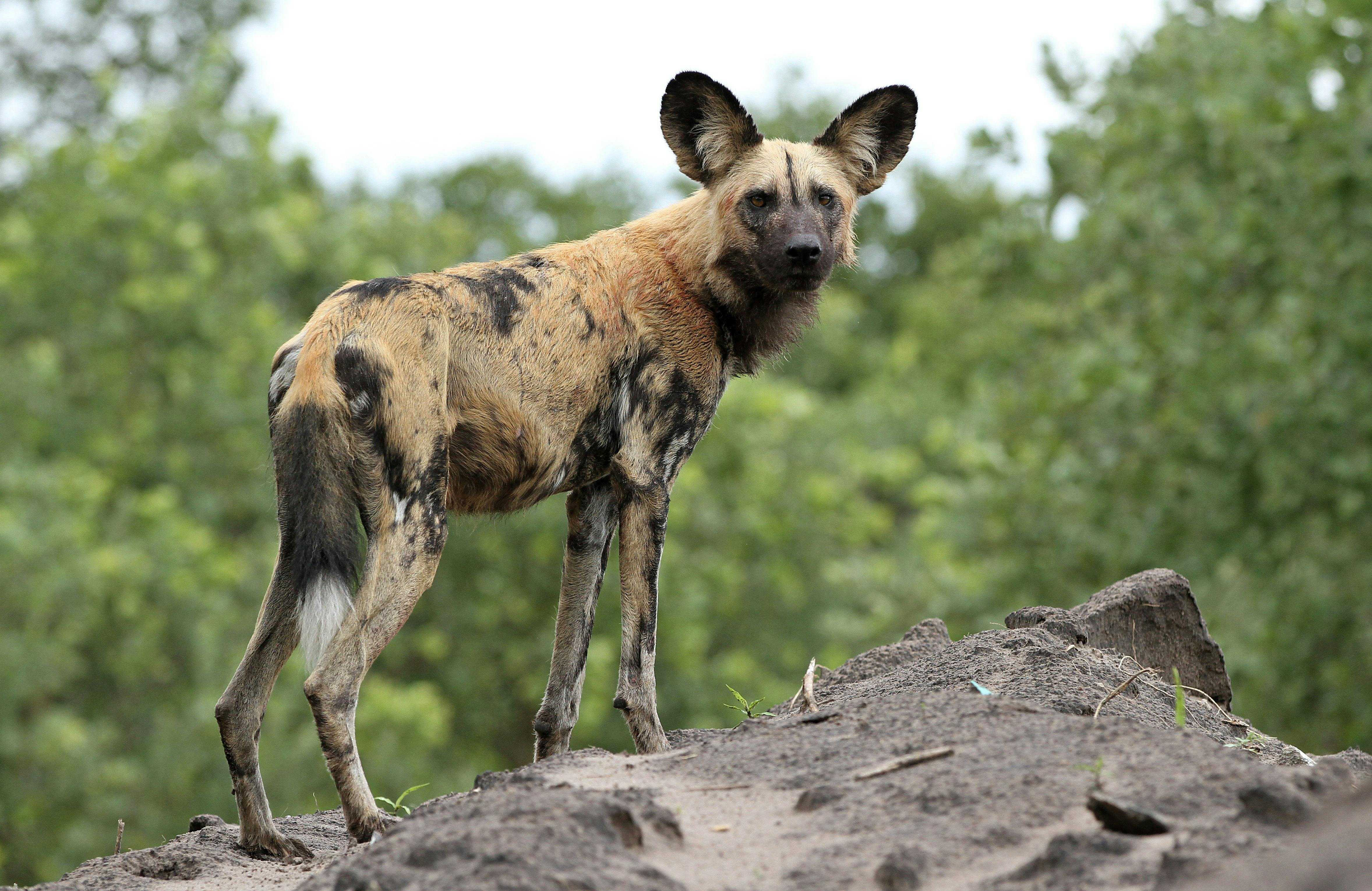
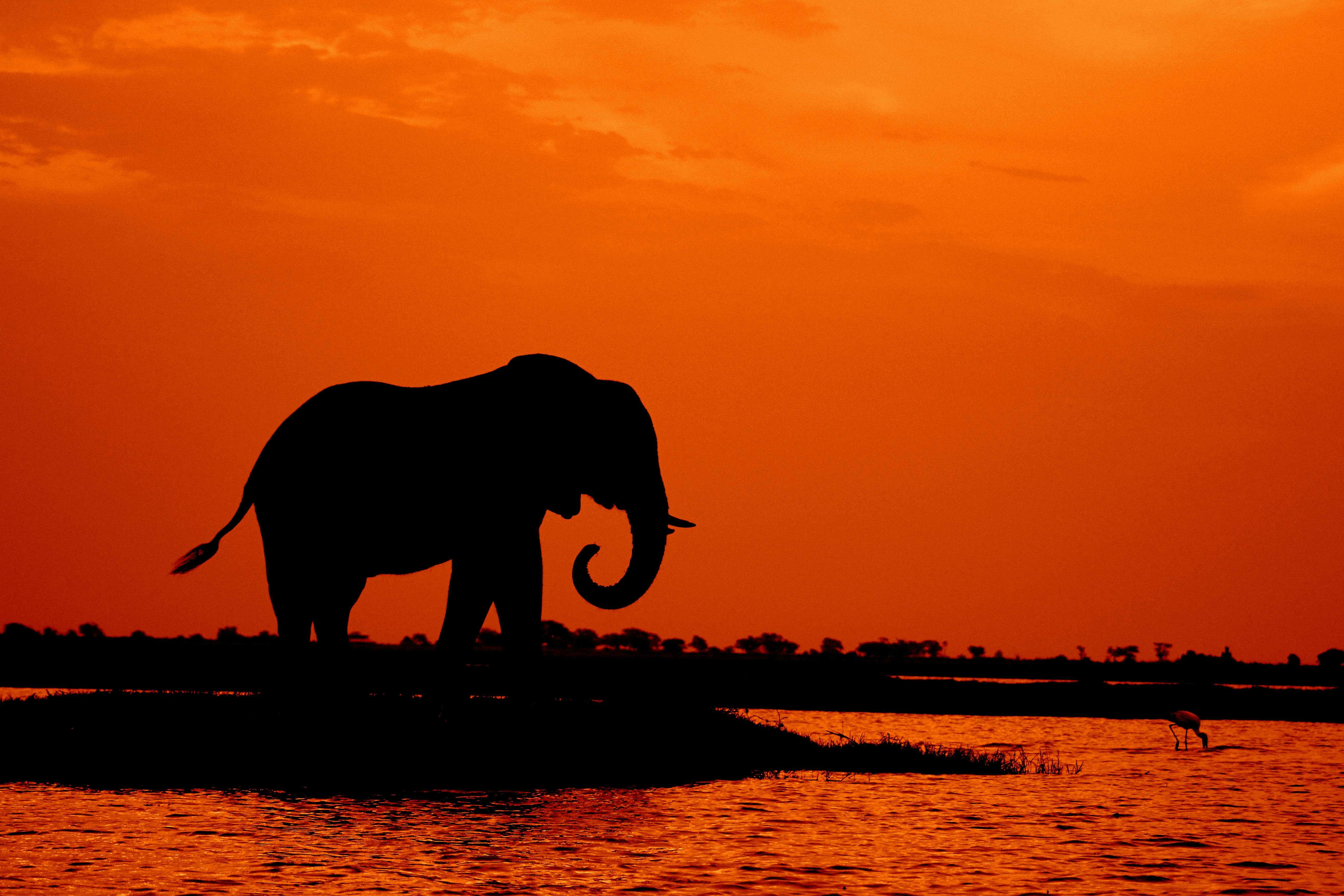
Chobe, located in Botswana, is a destination that promises an unforgettable safari experience amidst the stunning landscapes of southern Africa. This region is renowned for its incredible biodiversity, making it a prime …

#Safari#Wildlife#Chobe National Park#Botswana#Nature Reserve
1/16

Top hotels & flights

Hand-picked stays and the best fares into Chobe.

Top Hotels in Chobe

Top Flights to Chobe

Location videos

Real reels from travelers, plus longer watches to get the full picture.

From travelers
Watch & explore

Practical info

The essentials for planning your time in Chobe.

Currency
P | BWP | Botswana Pula
Population
Not Available
Languages
English, Swahili, Shona, Lozi

Local guide

What travelers love, what to watch for, and a deeper read on Chobe.

What people love

There are several pros of traveling to Chobe in Botswana:

  1. Abundant Wildlife: Chobe National Park, located in the Chobe region, is known for its incredible wildlife, including large herds of elephants, lions, leopards, and buffalo. Visitors can enjoy game drives and boat safaris to see these animals up close in their natural habitat.

  2. Scenic Landscapes: The Chobe region boasts stunning landscapes, with the Chobe River cutting through the park and providing picturesque views of the surrounding floodplains and woodlands.

  3. Birdwatching: Chobe is a paradise for birdwatchers, with over 450 bird species recorded in the region. Visitors can spot a variety of colorful birds, including fish eagles, kingfishers, and herons.

  4. Luxury Accommodation: There are several luxury lodges and camps in the Chobe region that offer top-notch amenities and personalized service for a comfortable and memorable stay.

  5. Cultural Experiences: Visitors to Chobe can also engage with the local communities and learn about their traditional way of life, adding a cultural dimension to their travel experience.

Overall, traveling to Chobe in Botswana offers a unique and unforgettable safari experience with abundant wildlife, stunning landscapes, and a chance to immerse oneself in the natural beauty and rich culture of the region.

What to know

Some potential cons of traveling to Chobe, Botswana, specifically to visit the Chobe National Park, may include:

  1. Malaria Risk: Chobe is located in a malaria-endemic region, so travelers need to take precautions such as taking antimalarial medication and using insect repellent.

  2. Limited Accommodation: While there are some lodges and campsites in and around Chobe National Park, accommodation options may be limited and booking in advance is recommended, especially during peak tourist seasons.

  3. Remote Location: Chobe is a remote area, which may mean limited access to amenities and medical facilities. It's important to be prepared for the isolation and plan accordingly.

  4. Wildlife Encounters: While seeing wildlife up close can be an incredible experience, it also comes with risks. Visitors need to follow safety guidelines and be aware of the potential dangers of encounters with wild animals.

  5. Weather Conditions: Botswana can experience extreme temperatures, with hot and dry conditions during the day and cooler temperatures at night. Travelers should be prepared for these weather fluctuations.

  6. Conservation Fees: Visitors to Chobe National Park are required to pay conservation fees, which can add to the overall cost of the trip.

Overall, while Chobe National Park offers incredible wildlife viewing opportunities and stunning landscapes, travelers should be prepared for the challenges that come with visiting a remote and wild destination.

Information not available.

Chobe is a region in northern Botswana, known primarily for its national park, Chobe National Park, which is one of the most famous wildlife reserves in Africa. The park and surrounding area have a rich history and natural significance.

Historical Background

  • Pre-Colonial Era: The region around Chobe has been inhabited by indigenous groups for centuries, including the San people (Bushmen), who were some of the earliest inhabitants. The San were hunter-gatherers and lived in harmony with the natural environment of the region.

  • 19th Century: The Chobe area was part of a larger territory inhabited by the Lozi, Subia, and other ethnic groups. The arrival of European explorers and missionaries in the 19th century brought significant changes. David Livingstone, the famous Scottish explorer and missionary, was one of the first Europeans to explore the region in the mid-1800s.

  • Colonial Period: During the late 19th and early 20th centuries, the area that is now Botswana became a British protectorate. Chobe was part of the Bechuanaland Protectorate. The colonial administration recognized the region's rich wildlife resources, which laid the groundwork for future conservation efforts.

Chobe National Park

  • Establishment: Chobe National Park was officially established in 1967, a year after Botswana gained independence from British rule. It was the first national park in the country and remains one of the largest, covering approximately 11,700 square kilometers.

  • Significance: The park is renowned for its biodiversity, particularly its large population of African elephants. It is considered to have one of the highest concentrations of elephants in Africa. Other wildlife includes lions, leopards, giraffes, buffalo, and various species of birds.

  • Chobe River: A significant landmark in the region is the Chobe River, which forms the northern boundary of the park. The river is a vital water source for wildlife and a popular spot for boat safaris.

Important Landmarks and Features

  • Savuti Marsh: Located within the park, the Savuti Marsh is a renowned area for wildlife viewing, especially for predators like lions and hyenas.

  • Linyanti Marsh: Another significant area within the park, known for its beautiful landscapes and diverse wildlife.

  • Kasane: The town of Kasane is the main gateway to Chobe National Park. It is strategically located at the meeting point of four countries: Botswana, Namibia, Zambia, and Zimbabwe. Kasane is a hub for tourists visiting the park and the nearby Victoria Falls.

Recent Developments

  • Conservation Efforts: In recent decades, Botswana has been at the forefront of wildlife conservation, with Chobe National Park playing a crucial role. The government and various conservation organizations work to protect the park's ecosystems and wildlife.

  • Tourism: Chobe has become one of Botswana's top tourist destinations, attracting visitors from around the world. Sustainable tourism practices are encouraged to minimize environmental impact.

Conclusion

Chobe, Botswana, is a region with a rich natural heritage and a history of both indigenous and colonial influences. Its main attraction, Chobe National Park, is a cornerstone of Botswana's conservation efforts and an important destination for wildlife enthusiasts.