
Chitose
· JP

Chitose

Chitose, Hokkaidō, Japan

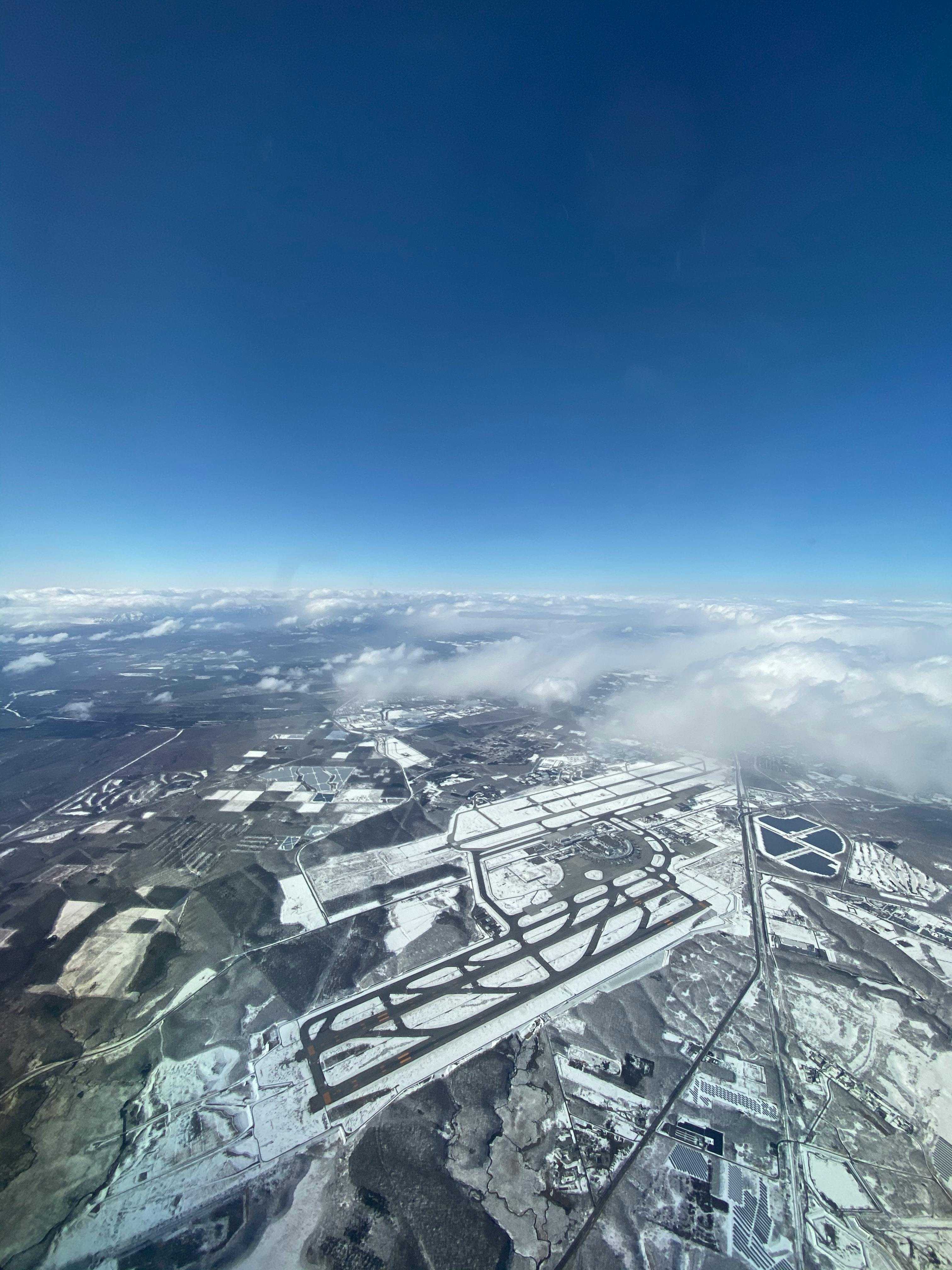
Discover Chitose: Where Nature Meets Convenience in Hokkaido Nestled just outside Sapporo, Chitose is more than just a gateway to Hokkaido. This vibrant city offers a charming blend of natural beauty, cultural experienc…

#Chitose#Hokkaido#Japan#Airport#Nature
1/1

Top hotels & flights

Hand-picked stays and the best fares into Chitose.

Top Hotels in Chitose

Top Flights to Chitose

Location videos

Real reels from travelers, plus longer watches to get the full picture.

Watch & explore

Practical info

The essentials for planning your time in Chitose.

Currency
¥ | JPY | Japanese Yen
Population
The approximate estimated total population of Chitose, Hokkaidō, Japan is around 97,000.
Languages
Japanese, Ainu
Average weather
Chitose
Jan
snow
-1°-10°
Feb
snow
0°-9°
Mar
cold
4°-5°
Apr
cloud
11°1°
May
clear
17°6°
Jun
cloud
21°11°
Jul
rain
24°16°
Aug
sun
26°18°
Sep
cloud
22°14°
Oct
clear
16°7°
Nov
cold
8°0°
Dec
snow
1°-7°

Local guide

What travelers love, what to watch for, and a deeper read on Chitose.

What people love

Chitose, located in Hokkaido, Japan, offers several advantages to travelers:

  1. Proximity to New Chitose Airport: Chitose is home to New Chitose Airport, one of the main gateways to Hokkaido. This makes it a convenient starting point for exploring the island, as well as a convenient stopover for travelers arriving or departing from the airport.

  2. Access to Nature: Chitose is surrounded by beautiful natural landscapes, including lakes, mountains, and hot springs. Visitors can enjoy outdoor activities such as hiking, skiing, and snowboarding, depending on the season.

  3. Lake Shikotsu: Chitose is located near Lake Shikotsu, which is one of the clearest lakes in Japan and offers opportunities for boating, fishing, and hiking around its scenic shores.

  4. Chitose Outlet Mall Rera: For those interested in shopping, Chitose is home to the Chitose Outlet Mall Rera, where you can find a wide range of products from fashion to food at discounted prices.

  5. Chitose Salmon Aquarium: This aquarium provides an opportunity to learn about the life cycle of salmon and other aquatic species native to Hokkaido, making it a fun and educational experience for visitors of all ages.

Overall, Chitose offers a mix of natural beauty, outdoor activities, shopping opportunities, and cultural attractions, making it a worthwhile destination for travelers visiting Hokkaido.

What to know

Traveling to Chitose, located in Hokkaido, Japan, may have a few cons that travelers should consider:

  1. Weather: Hokkaido is known for its cold winters, with temperatures dropping well below freezing. Traveling to Chitose during the winter months can be challenging for those not accustomed to such cold weather.

  2. Limited English: Chitose is not as popular with international tourists as other cities in Japan, so English may not be as widely spoken or understood. This could make communication and navigating the area a bit more difficult for English-speaking travelers.

  3. Limited attractions: While Chitose is a gateway city to popular destinations like Sapporo and Niseko, it may not have as many tourist attractions or activities as other cities in Hokkaido. Travelers looking for a bustling city atmosphere or a wide range of attractions may find Chitose lacking in comparison.

  4. Distance from major attractions: While Chitose has its own attractions such as the Chitose Salmon Aquarium and the Shikotsu-Toya National Park, other popular destinations in Hokkaido may require a bit of travel time from Chitose. This could mean spending more time commuting to and from places like Sapporo or Niseko.

Overall, while Chitose has its charm and serves as a convenient entry point to Hokkaido, travelers should be aware of the potential challenges and limitations that come with visiting this city.

Chitose is a city located in Hokkaidō, Japan, and it serves as an important hub in the region. The city has undergone significant development over the years and plays a key role in Hokkaidō's transportation and economy. Below is a detailed history of Chitose, including significant events, historical figures, and important landmarks.

Historical Background

  • Early History: The area around Chitose was originally inhabited by the indigenous Ainu people. The region was rich in natural resources, which supported the Ainu's traditional lifestyle.

  • Development Era: During the Meiji period (1868-1912), Japan underwent rapid modernization and development. Chitose, like many other parts of Hokkaidō, was settled by Japanese from the main islands, encouraged by government policies aimed at developing Hokkaidō.

  • Post-War Period: After World War II, Chitose underwent significant changes, particularly with the establishment of the New Chitose Airport in 1988, which greatly increased the city's connectivity and importance as a transportation hub. The airport is one of the busiest in Japan, serving as a gateway to Hokkaidō.

Significant Events

  • 1988: The opening of New Chitose Airport marked a major milestone in the city's history, facilitating increased tourism and economic activity in the region.

  • 2005: Chitose merged with the town of Eniwa, expanding its administrative boundaries and increasing its population and economic base.

Important Landmarks

  • New Chitose Airport: As one of the busiest airports in Japan, it is a crucial infrastructure component for the city and the entire Hokkaidō region. The airport features modern facilities and serves millions of passengers annually.

  • Lake Shikotsu: Located near Chitose, Lake Shikotsu is part of the Shikotsu-Toya National Park. It is known for its clear waters and natural beauty, attracting many tourists and nature enthusiasts.

  • Chitose Salmon Aquarium: The Chitose Salmon Aquarium is a unique facility that educates visitors about the life cycle of salmon and the ecology of the Chitose River. It is one of the largest freshwater aquariums in Japan.

Economy and Modern Development

  • Chitose's economy is largely driven by its strategic location and infrastructure, with the airport being a major economic driver. The city also benefits from tourism, particularly due to its proximity to natural attractions like Lake Shikotsu.

  • The city has also developed various industries, including manufacturing and logistics, leveraging its transportation links and available land.

Cultural Aspects

  • Chitose hosts various cultural and traditional events, often reflecting the broader culture of Hokkaidō and the legacy of the Ainu people. These events attract both locals and tourists, adding to the city's vibrant cultural scene.

Conclusion

Chitose, Hokkaidō is a city with a rich history and a dynamic present. Its development has been closely tied to its strategic location and infrastructure, particularly the New Chitose Airport. The city continues to thrive as a gateway to Hokkaidō, balancing economic growth with the preservation of its natural and cultural heritage.

If you need further details on specific aspects of Chitose's history or landmarks, please let me know!