Chimaltenango
· GT

Chimaltenango

Chimaltenango, Chimaltenango, Guatemala

Step into Authentic Guatemala in Chimaltenango Escape the well-trodden tourist trails and discover the heart of Mayan culture in Chimaltenango, a vibrant city nestled amidst the breathtaking highlands of Guatemala. Here,…

#Chimaltenango#Guatemala#Central America#Mountainous region#Cultural heritage
1/7

Top hotels & flights

Hand-picked stays and the best fares into Chimaltenango.

Top Hotels in Chimaltenango

Top Flights to Chimaltenango

Location videos

Real reels from travelers, plus longer watches to get the full picture.

From travelers
Watch & explore

Practical info

The essentials for planning your time in Chimaltenango.

Currency
Q | GTQ | Guatemalan Quetzal
Population
Information not available.
Languages
Spanish, Kaqchikel, Tzʼutujil
Average weather
Chimaltenango
Jan
clear
23°12°
Feb
clear
24°12°
Mar
clear
26°14°
Apr
clear
27°15°
May
rain
26°16°
Jun
rain
24°16°
Jul
rain
24°15°
Aug
rain
24°15°
Sep
rain
23°15°
Oct
rain
23°14°
Nov
clear
23°13°
Dec
clear
23°12°

Local guide

What travelers love, what to watch for, and a deeper read on Chimaltenango.

What people love

Chimaltenango, located in Guatemala, has several pros for travelers:

  1. Cultural experience: Chimaltenango is known for its rich cultural heritage, with a blend of indigenous Mayan traditions and Spanish influences. Travelers can immerse themselves in the local culture by visiting traditional markets, interacting with locals, and exploring historical sites.

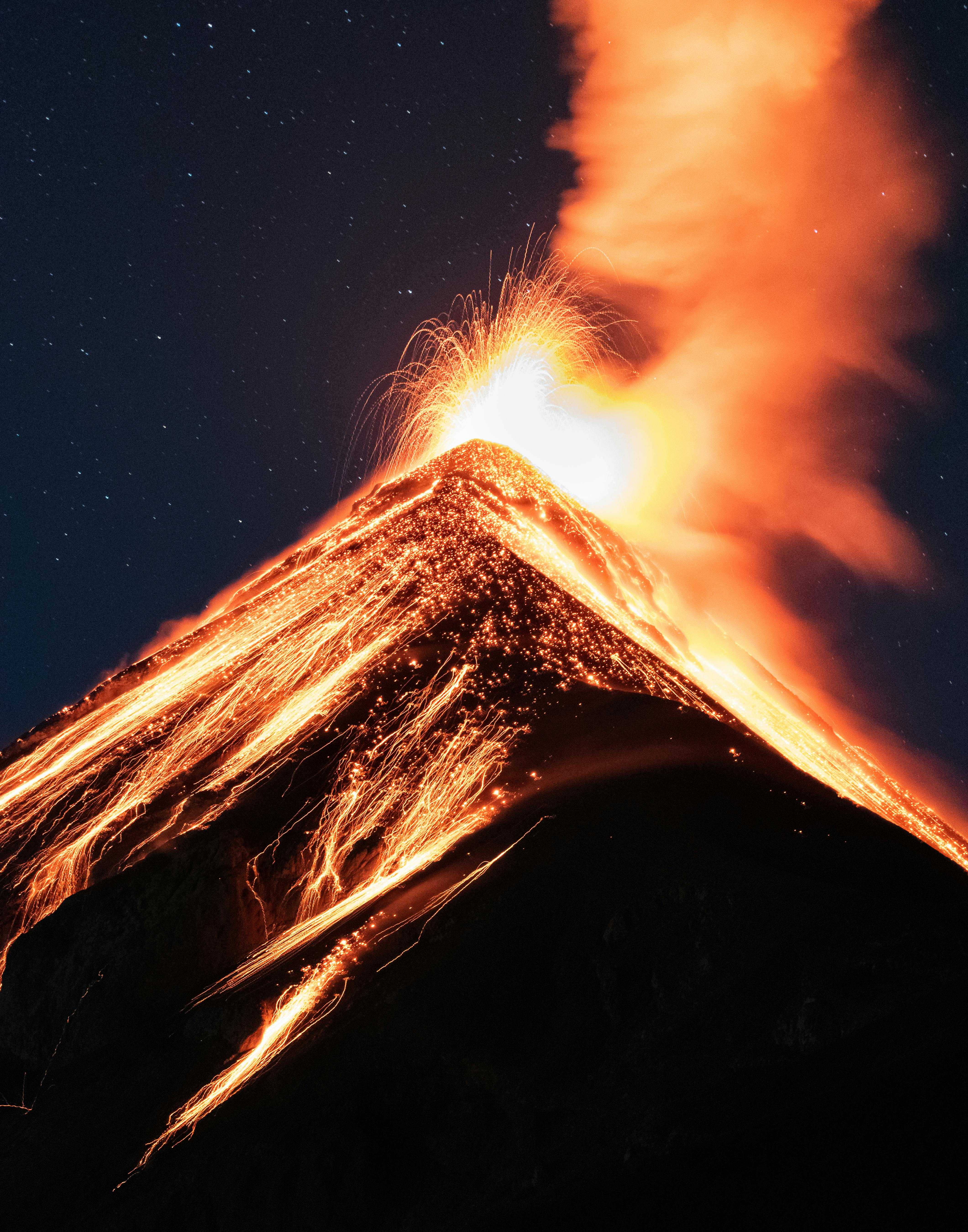
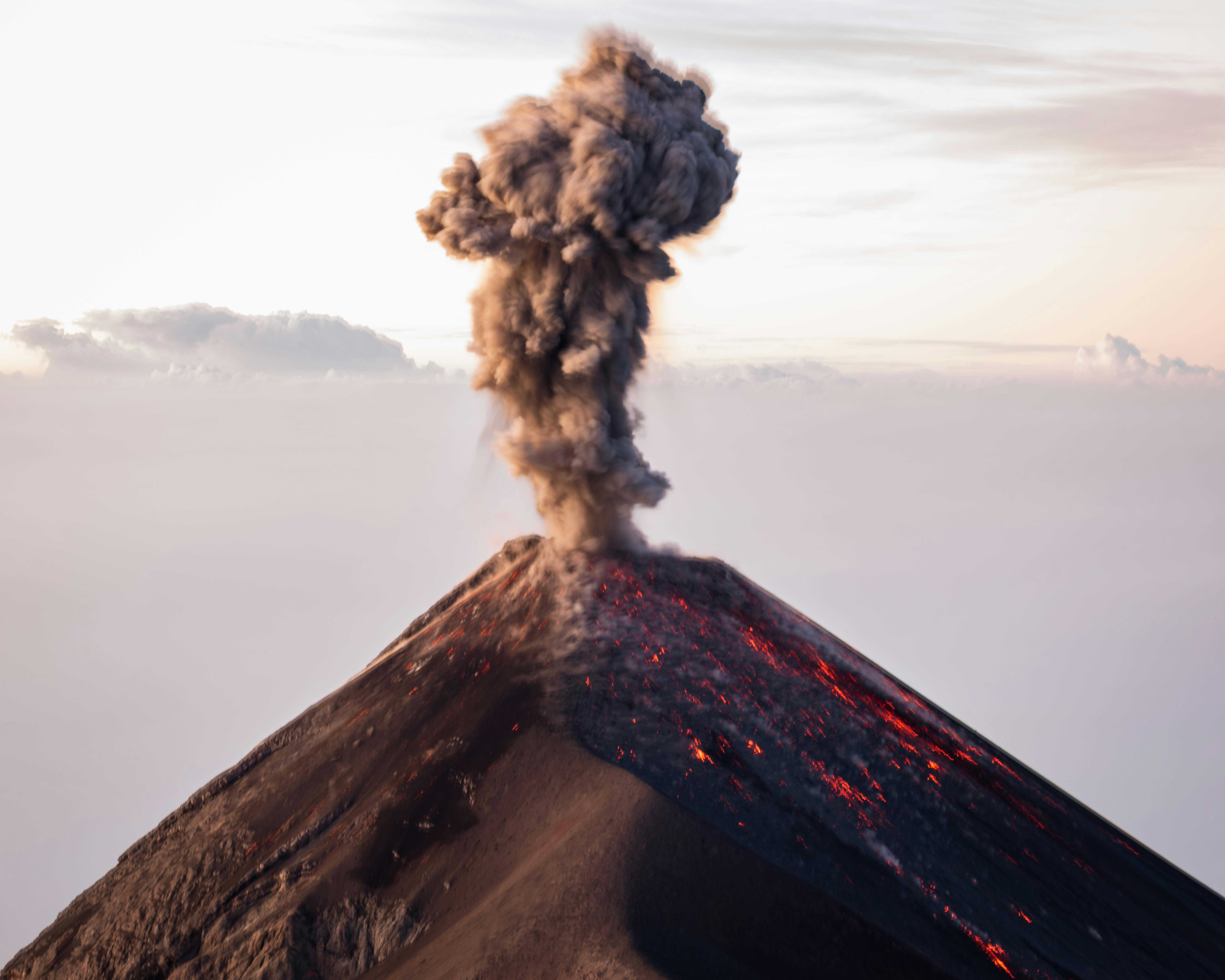
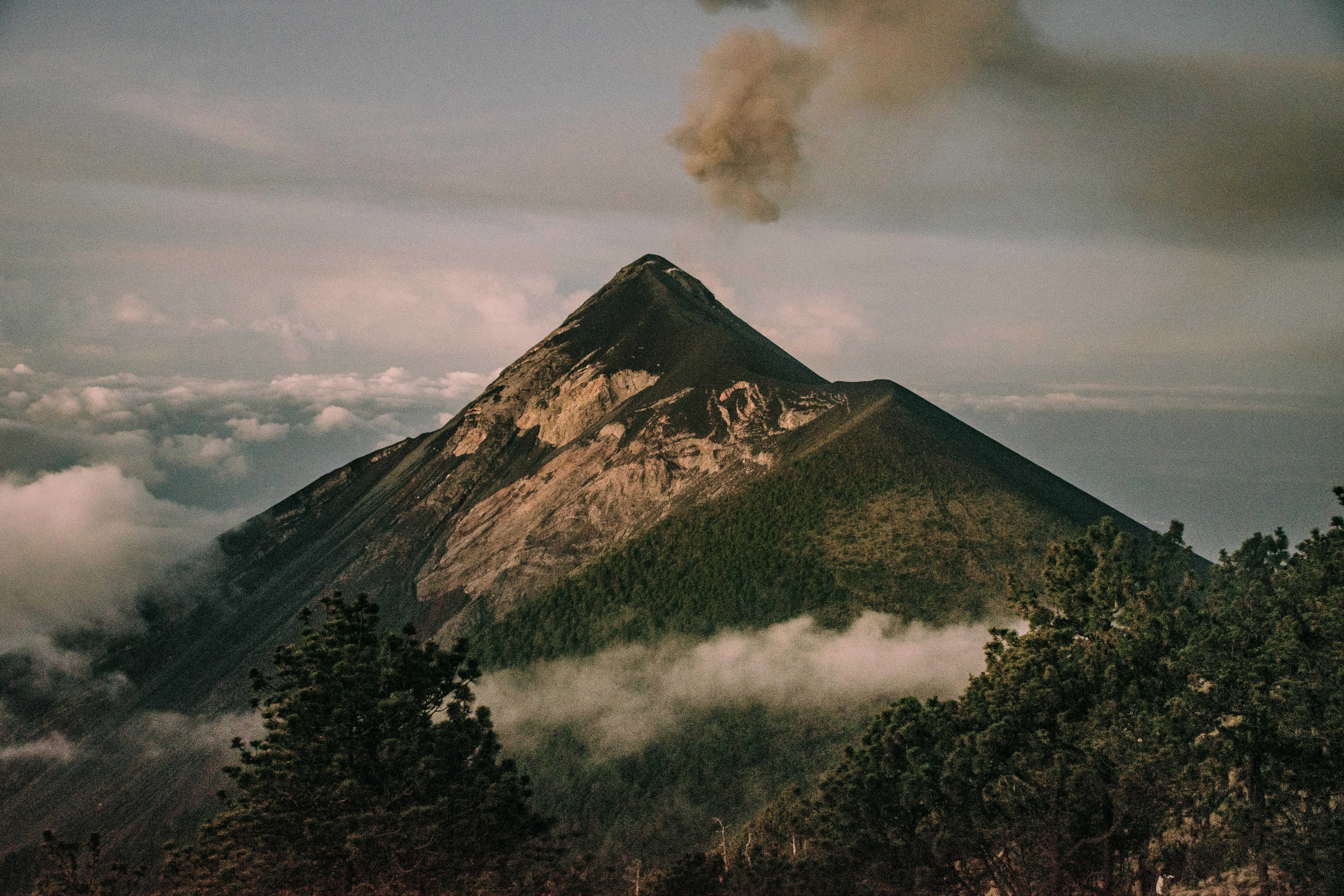
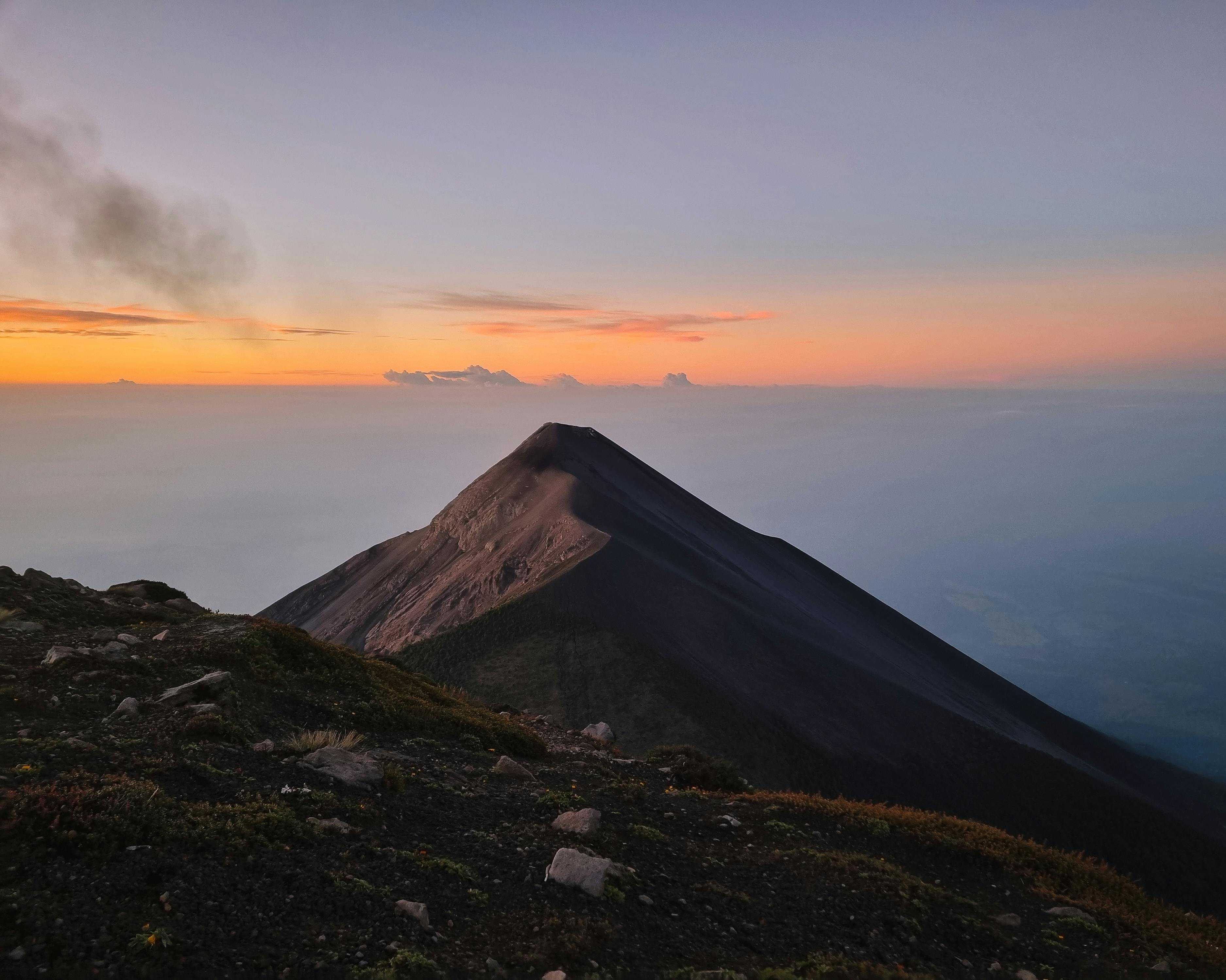
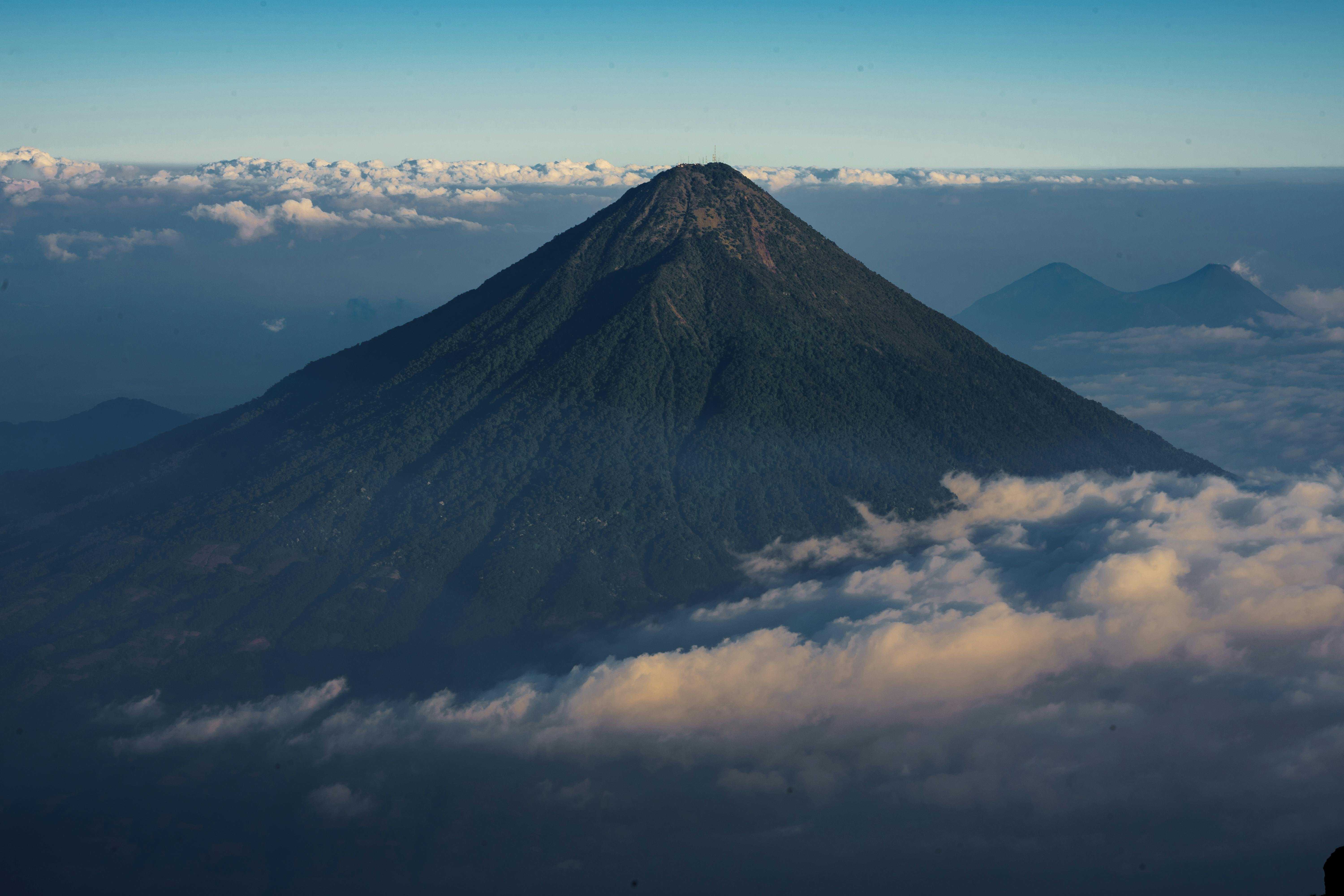
  2. Natural beauty: The region surrounding Chimaltenango is characterized by lush landscapes, rolling hills, and scenic views. Travelers can enjoy outdoor activities such as hiking, bird-watching, and exploring nearby volcanoes.

  3. Authentic cuisine: Chimaltenango offers a variety of traditional Guatemalan dishes that are unique to the region. Travelers can sample local specialties such as pepian (a meat stew) and tamales (corn dough filled with meat and vegetables).

  4. Artisan crafts: Chimaltenango is known for its vibrant artisan market, where travelers can purchase handmade textiles, pottery, and other crafts created by local artisans. This is a great opportunity to support the local economy and bring home authentic souvenirs.

  5. Accessibility: Chimaltenango is located just a short drive from Guatemala City, making it easily accessible for travelers. It serves as a convenient base for exploring other parts of Guatemala, such as Antigua and Lake Atitlan.

Overall, traveling to Chimaltenango offers a unique cultural experience, stunning natural beauty, delicious cuisine, opportunities for shopping, and convenient access to other attractions in Guatemala.

What to know

Chimaltenango, located in the Chimaltenango department of Guatemala, is generally a safe place to travel to. However, like any destination, there are some potential cons to be aware of:

  1. Safety Concerns: While Chimaltenango is considered relatively safe compared to other parts of Guatemala, travelers should still exercise caution, especially at night and in crowded areas. Petty theft and pickpocketing can occur, so it's important to keep your belongings secure and be aware of your surroundings.

  2. Traffic and Transportation: Chimaltenango can have congested traffic conditions, particularly during peak hours. Public transportation options may be limited, so getting around the city and surrounding areas may require planning ahead and potentially using private transportation services.

  3. Limited Tourist Infrastructure: Chimaltenango is not a major tourist destination, so the availability of tourist facilities such as hotels, restaurants, and English-speaking staff may be limited compared to more popular tourist areas in Guatemala. It's a good idea to make reservations in advance and be prepared for potential language barriers.

  4. Altitude: Chimaltenango is located at a higher altitude, which may cause altitude sickness in some travelers, especially those who are not accustomed to higher elevations. It's important to stay hydrated, take it easy upon arrival, and consult with a healthcare professional if you have concerns about altitude sickness.

Overall, while Chimaltenango offers a unique cultural experience and beautiful scenery, travelers should be mindful of these potential cons and take necessary precautions to ensure a safe and enjoyable trip.

Chimaltenango is a city and the capital of the department of Chimaltenango in Guatemala. It is located in the central highlands of the country, which is a region rich in history and culture.

Pre-Columbian and Colonial History

Chimaltenango has its roots in pre-Columbian times and was originally inhabited by the Kaqchikel Maya. The name "Chimaltenango" is derived from the Nahuatl language, meaning "place of the shield," which reflects the influence of the Nahuas who passed through the region.

During the Spanish colonial period, Chimaltenango was established as a town in the early 16th century. The Spanish conquistadors, led by Pedro de Alvarado, conquered the region as part of their campaign in Guatemala. The town was part of the system of encomiendas, which were grants of land that included the indigenous people as labor.

Independence and Republican Era

Throughout the colonial period and into the 19th century, Chimaltenango remained an important agricultural center. After Guatemala's independence from Spain in 1821, the town continued to develop. It became part of the new republic's administrative divisions.

20th Century Developments

In the 20th century, Chimaltenango experienced growth and modernization, although it also faced challenges such as political instability and economic changes affecting the whole country. The region has been affected by the broader socio-political issues of Guatemala, including the civil war that lasted from 1960 to 1996.

Significant Events

Chimaltenango, like much of Guatemala, was hit hard by the 1976 earthquake, which caused widespread destruction and loss of life. The earthquake's effects were a catalyst for reconstruction and development efforts in the following decades.

Cultural and Economic Significance

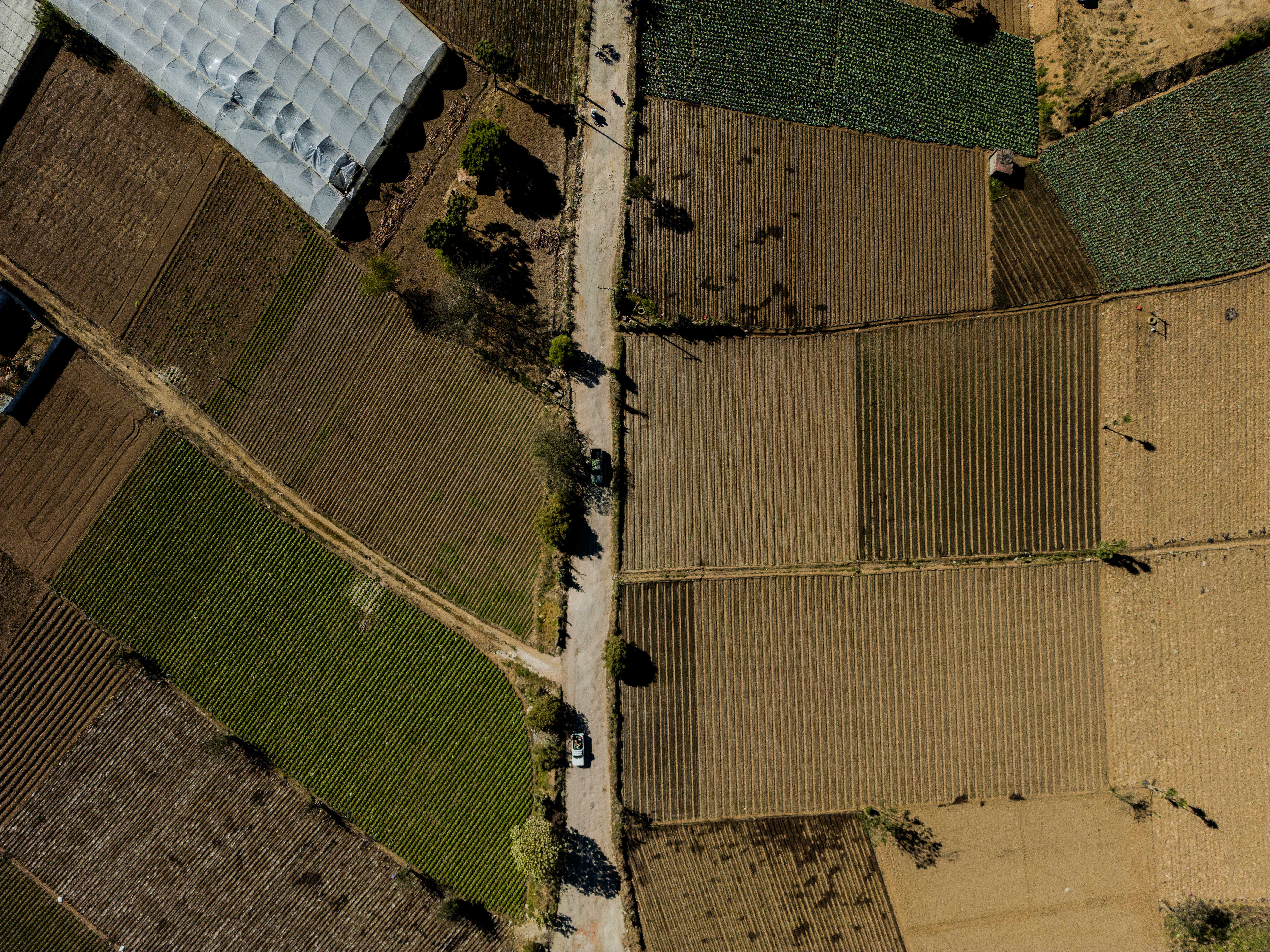
Today, Chimaltenango is known for its vibrant market and as a center of commerce in the region. The town is a hub for the surrounding agricultural areas, and its markets are known for local products, including textiles and crafts produced by the indigenous communities.

Landmarks

  • Iglesia El Calvario: This church is one of the town's important religious landmarks.
  • The Central Park (Parque Central): A focal point for community life and events, where residents gather and social activities take place.
  • Local Markets: Known for their variety of goods, especially traditional textiles and crafts.

Notable Figures

While specific historical figures from Chimaltenango may not be widely recognized on a national or international level, the town has been home to many indigenous leaders and local figures who have contributed to the cultural richness of the area.

Chimaltenango continues to play a significant role in the cultural and economic life of the region, maintaining its historical roots while looking towards future development.