
Top hotels & flights
Hand-picked stays and the best fares into Chieti.
Top Hotels in Chieti
Top Flights to Chieti
Location videos
Real reels from travelers, plus longer watches to get the full picture.
Practical info
The essentials for planning your time in Chieti.


Local guide
What travelers love, what to watch for, and a deeper read on Chieti.
What people love
Chieti, located in the region of Abruzzo, Italy, offers several pros for travelers seeking a unique and authentic Italian experience:
-
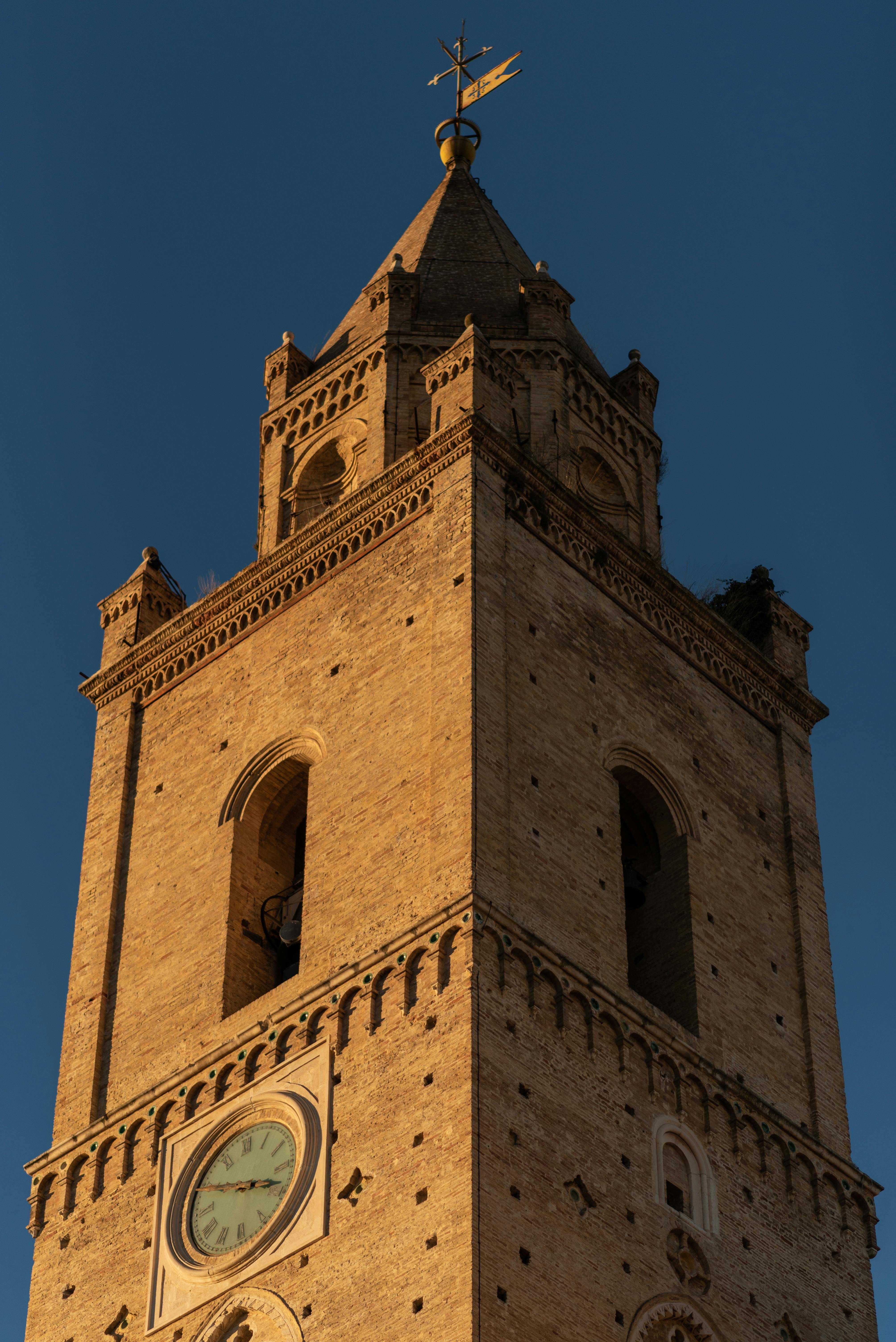
Historical and Cultural Attractions: Chieti boasts a rich history dating back to Roman times, with impressive archaeological sites such as the Roman Temple of Janus and the Roman Amphitheater. The city is also home to numerous churches, museums, and palaces that showcase its cultural heritage.
-
Scenic Beauty: Situated on a hill overlooking the Adriatic Sea, Chieti offers stunning views of the surrounding countryside and coastline. The city's picturesque streets, squares, and parks provide ample opportunities for leisurely strolls and scenic photography.
-
Gastronomic Delights: Abruzzo is renowned for its delicious cuisine, and Chieti is no exception. Visitors can savor regional specialties such as arrosticini (skewered lamb), maccheroni alla chitarra (pasta made with a guitar-like instrument), and Montepulciano d'Abruzzo wine at local restaurants and trattorias.
-
Outdoor Activities: Nature enthusiasts will appreciate Chieti's proximity to the Majella National Park, a haven for hiking, biking, and wildlife watching. The nearby Adriatic coast also offers opportunities for beach outings, water sports, and boat excursions.
-
Authentic Italian Experience: Chieti is less touristy compared to other popular Italian destinations, allowing visitors to immerse themselves in the local way of life and interact with friendly residents. The city's laid-back atmosphere and traditional charm make it a perfect place to experience the authentic side of Italy.
Overall, traveling to Chieti in Abruzzo, Italy, offers a mix of historical, cultural, culinary, and natural attractions that appeal to a wide range of travelers looking for a genuine Italian experience.
What to know
Chieti, located in the Abruzzo region of Italy, is a beautiful destination with many attractions and things to do. However, there are some potential cons to consider when traveling to Chieti:
-
Limited public transportation: Chieti is a relatively small city and may not have as extensive public transportation options as larger cities in Italy. This could make it more challenging to get around the city and surrounding areas without a car.
-
Language barrier: While Italian is the official language spoken in Chieti, not everyone may speak English fluently. This could potentially create communication barriers for travelers who do not speak Italian.
-
Limited nightlife: Chieti is a quieter city compared to other popular tourist destinations in Italy. If you are looking for a vibrant nightlife scene with clubs and bars, you may find that Chieti has fewer options in this regard.
-
Limited tourist infrastructure: Chieti is not as heavily touristed as other cities in Italy, which means that the tourist infrastructure, such as hotels, restaurants, and attractions, may be more limited compared to more popular destinations.
-
Seasonal considerations: Like many destinations in Italy, Chieti can get quite hot in the summer months, which may be uncomfortable for some travelers. Additionally, some attractions and businesses may have limited hours or be closed during the off-peak tourist season.
Overall, while Chieti is a charming and historic city to visit, these potential cons may be important factors to consider when planning your trip.