
Cheyenne
· US

Cheyenne

Cheyenne, Wyoming, United States

Saddle Up for Adventure in Cheyenne, Wyoming! Cheyenne, Wyoming's vibrant capital city, offers a captivating blend of Old West charm and modern amenities. Steeped in frontier history and surrounded by breathtaking natura…

#Cheyenne#Wyoming#United States#Capital city#Western city
1/3

Top hotels & flights

Hand-picked stays and the best fares into Cheyenne.

Top Hotels in Cheyenne

Top Flights to Cheyenne

Location videos

Real reels from travelers, plus longer watches to get the full picture.

From travelers

Practical info

The essentials for planning your time in Cheyenne.

Currency
$ | USD | US Dollar
Population
65,000
Languages
English, English
Average weather
Cheyenne
Jan
snow
4°-9°
Feb
snow
5°-8°
Mar
cloud
9°-5°
Apr
rain
13°-1°
May
rain
18°3°
Jun
sun
24°8°
Jul
sun
28°12°
Aug
sun
27°11°
Sep
clear
22°6°
Oct
cloud
15°0°
Nov
snow
8°-6°
Dec
snow
4°-9°

Local guide

What travelers love, what to watch for, and a deeper read on Cheyenne.

What people love

Cheyenne, Wyoming, offers a unique blend of Western charm and modern amenities, making it a great destination for travelers. Some of the pros of traveling to Cheyenne include:

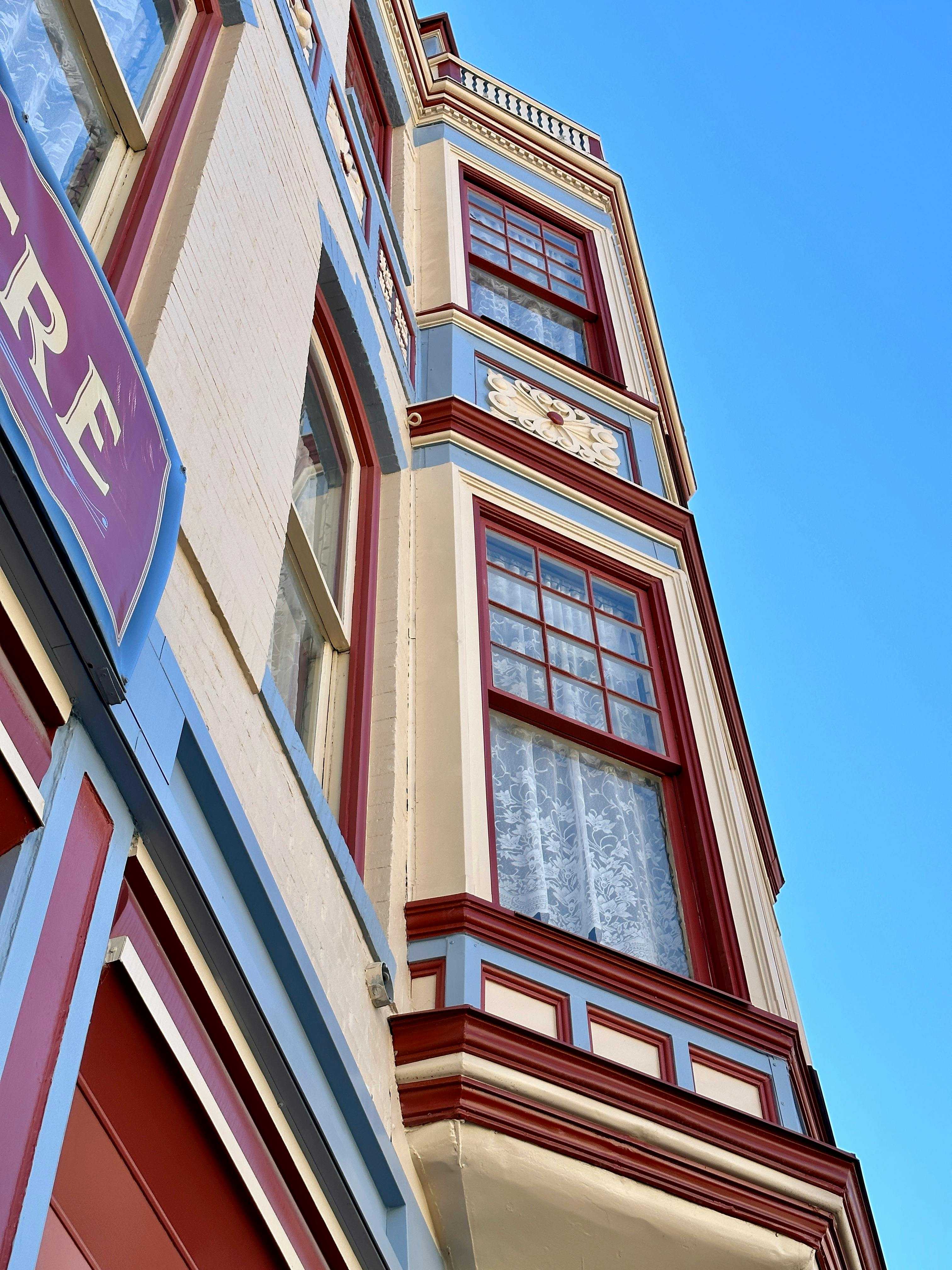
  1. Rich Western heritage: Cheyenne is known as the "Rodeo and Railroad Capital of the West," and visitors can experience the city's rich Western heritage through attractions like the Cheyenne Frontier Days Rodeo, the Old West Museum, and the Historic Downtown District.

  2. Outdoor activities: Cheyenne is surrounded by beautiful natural landscapes, including mountains, forests, and prairies, offering plenty of opportunities for outdoor activities such as hiking, biking, fishing, and horseback riding.

  3. Events and festivals: Cheyenne hosts a variety of events and festivals throughout the year, including the Cheyenne Frontier Days celebration, which features rodeo events, concerts, parades, and more.

  4. Local cuisine: Cheyenne offers a diverse culinary scene, with restaurants serving up delicious Western fare such as bison steaks, elk burgers, and cowboy coffee. Visitors can also sample local craft beers and spirits at breweries and distilleries in the area.

  5. Shopping and entertainment: Cheyenne has a vibrant downtown area with shops, galleries, and theaters, providing plenty of opportunities for shopping and entertainment. Visitors can also explore the city's art scene through galleries and public art installations.

Overall, Cheyenne offers a unique blend of Western culture, outdoor adventure, and modern amenities, making it a great destination for travelers looking to experience the spirit of the American West.

What to know

Some potential cons of traveling to Cheyenne, Wyoming, United States may include:

  1. Weather: Cheyenne experiences a semi-arid climate with cold winters and hot summers. Travelers may need to prepare for extreme temperature changes throughout the year.

  2. Limited public transportation: Cheyenne is not known for its public transportation system, so travelers may need to rely on personal vehicles or taxis to get around.

  3. Remote location: Cheyenne is located in a relatively remote area of Wyoming, which may make it less accessible compared to larger cities with major airports.

  4. Limited nightlife and entertainment options: Cheyenne is a smaller city with fewer nightlife and entertainment options compared to larger cities, which may not appeal to travelers looking for a vibrant nightlife scene.

  5. Limited cultural attractions: While Cheyenne has some historical sites and museums, it may not offer as many cultural attractions as larger cities, which could be a downside for travelers seeking a variety of cultural experiences.

Overall, while Cheyenne offers a unique Western charm and natural beauty, travelers should consider the potential limitations mentioned above when planning a trip to the area.

Cheyenne, Wyoming, is the capital and most populous city of the state of Wyoming. It has a rich history that dates back to the 19th century, with its origins tied closely to the expansion of the American West and the railroad industry.

Founding and Early History:

  • Union Pacific Railroad: Cheyenne was founded in 1867 when the Union Pacific Railroad was being constructed as part of the Transcontinental Railroad. The city was named after the Cheyenne Native American tribe.
  • Nickname – "Magic City of the Plains": The rapid growth of Cheyenne due to the railroad earned it the nickname "Magic City of the Plains."

Significant Events:

  • Wyoming Territory: In 1869, Cheyenne became the capital of the Wyoming Territory, which was established by the U.S. Congress.
  • Women's Suffrage: In 1869, Wyoming Territory became the first U.S. jurisdiction to grant women the right to vote, a significant milestone in U.S. history. This progressive move occurred while Cheyenne was the capital, highlighting its place in American history.

Historical Figures:

  • Esther Hobart Morris: She was a key figure in the women's suffrage movement and served as the first female justice of the peace in the United States.
  • Francis E. Warren: Warren was a prominent political figure, serving as the first Governor of Wyoming and later as a long-serving U.S. Senator. Fort Warren Air Force Base, later named Francis E. Warren Air Force Base, is named in his honor.

Important Landmarks:

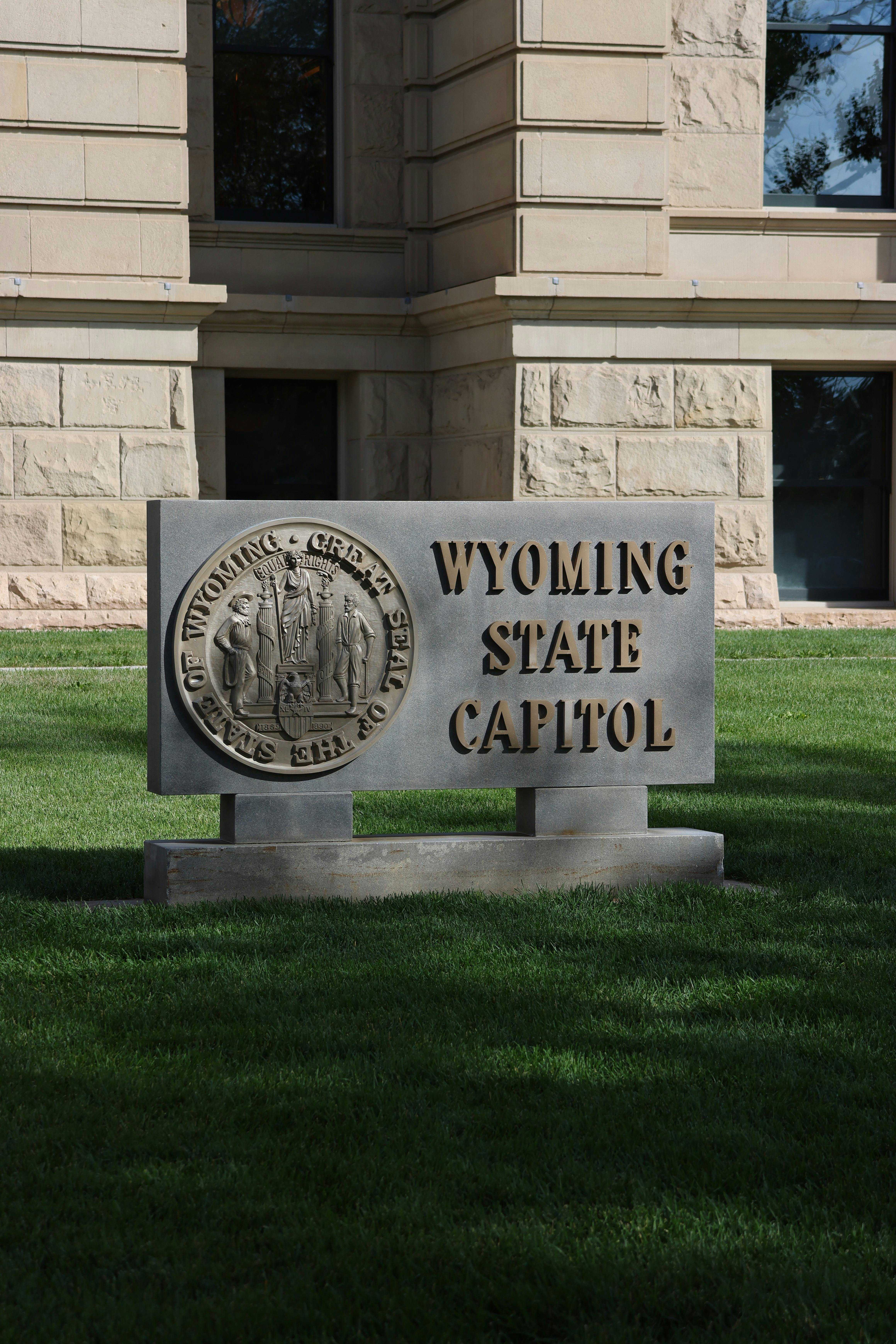
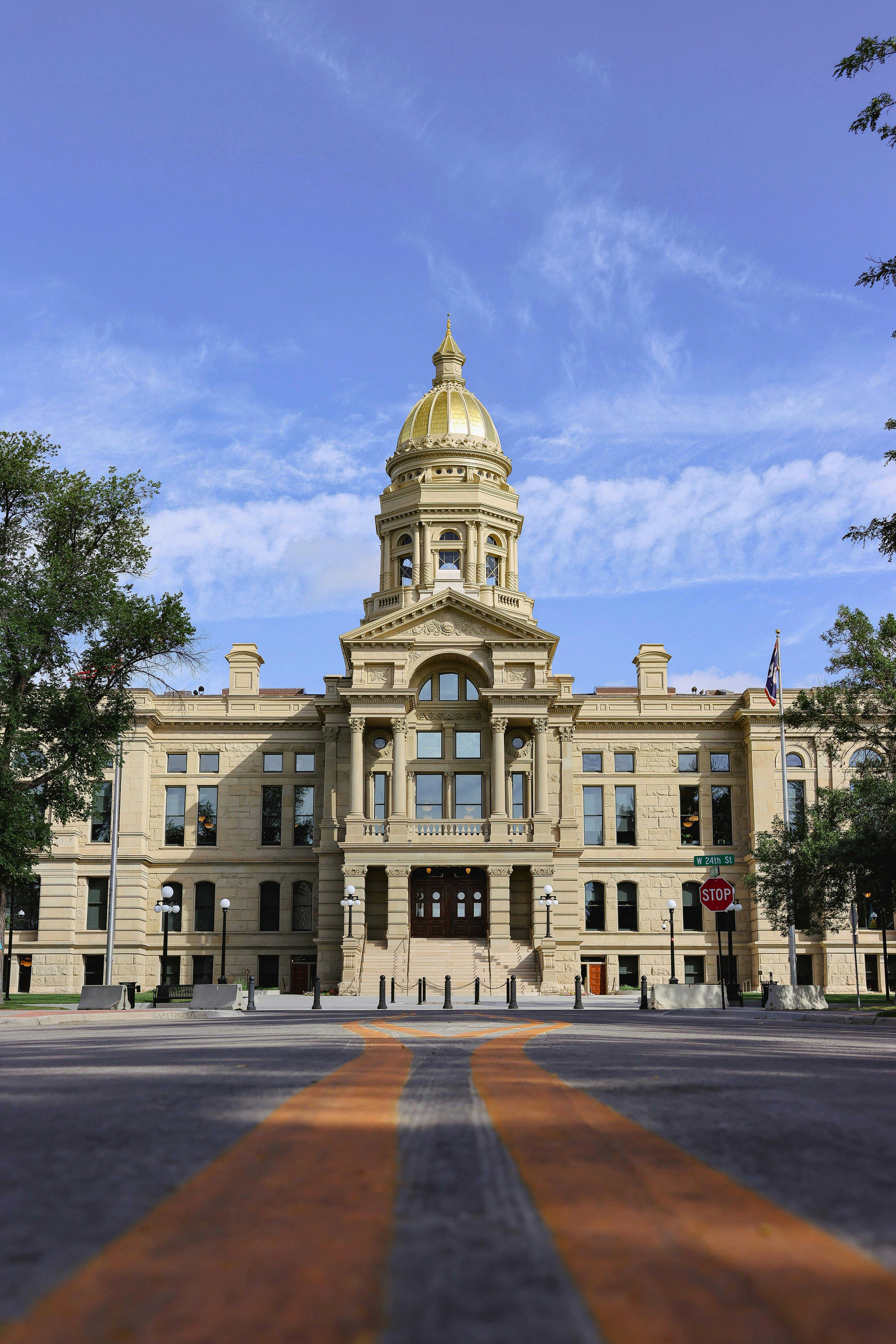
  • Wyoming State Capitol: This historic building, completed in 1890, is an iconic symbol of Cheyenne and reflects the neoclassical architectural style. It was designated a National Historic Landmark in 1987.
  • Cheyenne Depot Museum: Originally a Union Pacific Railroad depot, this landmark now serves as a museum showcasing Cheyenne's railroad history.
  • Francis E. Warren Air Force Base: Established in 1867, it is one of the oldest continuously active military installations in the United States.
  • Cheyenne Frontier Days: First held in 1897, this annual event is one of the largest outdoor rodeos and western celebrations in the world, attracting visitors from across the globe.

Economic and Cultural Development:

  • Cattle Industry: Cheyenne became a central hub for the cattle industry in the late 19th century. The open range cattle industry contributed significantly to the city's economy and culture.
  • Modern Day: Today, Cheyenne is known for its rich cultural heritage, with museums, historical sites, and events that celebrate its Wild West history.

Cheyenne continues to serve as a political, cultural, and economic center for Wyoming, maintaining its importance as both a historical and modern city in the American West.