




Chengdu
· CN

Chengdu

Chengdu, Sichuan, China

Chengdu, the capital of Sichuan province in southwest China, is renowned for its laid-back lifestyle, spicy cuisine, and ancient history. Explore the well-preserved Wuhou Shrine, dedicated to the memory of Zhuge Liang, a…

#Sichuan cuisine#Pandas#Teahouses#Sichuan Opera#Buddhist temples
1/10

Top hotels & flights

Hand-picked stays and the best fares into Chengdu.

Top Hotels in Chengdu

Top Flights to Chengdu

Location videos

Real reels from travelers, plus longer watches to get the full picture.

From travelers
Watch & explore

Practical info

The essentials for planning your time in Chengdu.

Currency
¥ | CNY | Chinese Yuan Renminbi
Population
21.0 million
Languages
Mandarin, Mandarin, Sichuanese
Average weather
Chengdu
Jan
cloud
10°3°
Feb
cloud
12°5°
Mar
cloud
16°8°
Apr
cloud
21°13°
May
cloud
25°17°
Jun
rain
28°21°
Jul
rain
30°23°
Aug
rain
30°23°
Sep
cloud
25°19°
Oct
cloud
20°14°
Nov
cloud
15°9°
Dec
cloud
11°5°

Local guide

What travelers love, what to watch for, and a deeper read on Chengdu.

What people love

Traveling to Chengdu, located in Sichuan, China, offers a diverse range of experiences and attractions for visitors. Here are some pros of visiting Chengdu:

  1. Panda Research Base: Chengdu is home to the famous Chengdu Research Base of Giant Panda Breeding, where visitors can observe giant pandas in a semi-natural habitat. It is a great opportunity to see these adorable creatures up close and learn about conservation efforts.

  2. Sichuan Cuisine: Chengdu is known for its spicy and flavorful Sichuan cuisine. Visitors can indulge in local dishes such as hotpot, mapo tofu, and kung pao chicken. The city is also known for its street food culture, offering a variety of delicious snacks and treats.

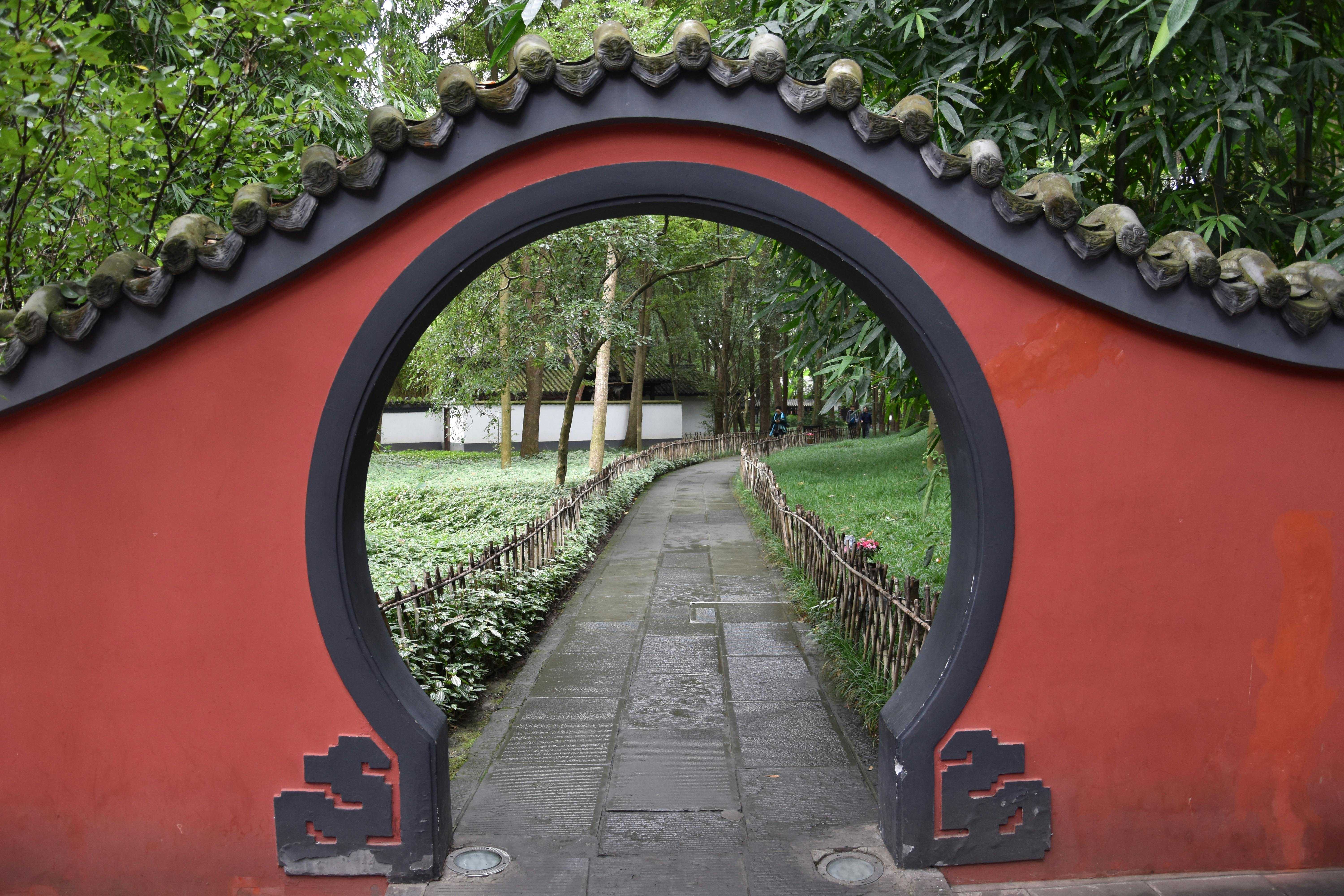
  3. Historical and Cultural Sites: Chengdu has a rich history dating back thousands of years. Visitors can explore ancient sites such as Wuhou Shrine, Jinli Ancient Street, and Wenshu Monastery. These sites offer insights into the region's cultural heritage and traditions.

  4. Teahouses and Sichuan Opera: Chengdu is famous for its traditional teahouse culture, where locals gather to socialize, play games, and enjoy performances. Visitors can also watch Sichuan Opera shows featuring face-changing performances and other traditional art forms.

  5. Laid-back Lifestyle: Chengdu is known for its relaxed and laid-back lifestyle, earning it the nickname "the Land of Abundance." Visitors can experience the city's leisurely pace, beautiful parks, and vibrant nightlife scene.

  6. Gateway to Western China: Chengdu serves as a gateway to Western China, making it a convenient starting point for exploring other regions such as Jiuzhaigou National Park, Emei Mountain, and the Tibetan Plateau.

Overall, traveling to Chengdu offers a unique blend of nature, culture, history, and culinary delights, making it a compelling destination for travelers seeking an authentic Chinese experience.

What to know

Some potential cons of traveling to Chengdu, located in Sichuan, China, could include:

  1. Language barrier: Many locals in Chengdu may not speak English fluently, which could make communication challenging for travelers who do not speak Mandarin or Sichuanese dialects.

  2. Air quality: Chengdu, like many other cities in China, has issues with air pollution at times, which could affect air quality and visibility, especially during certain times of the year.

  3. Traffic congestion: Chengdu is a large city with a high population density, so traffic congestion can be a common issue, particularly during rush hours.

  4. Spicy food: Sichuan cuisine is known for being spicy, and some travelers may find it too intense for their taste buds if they are not accustomed to such flavors.

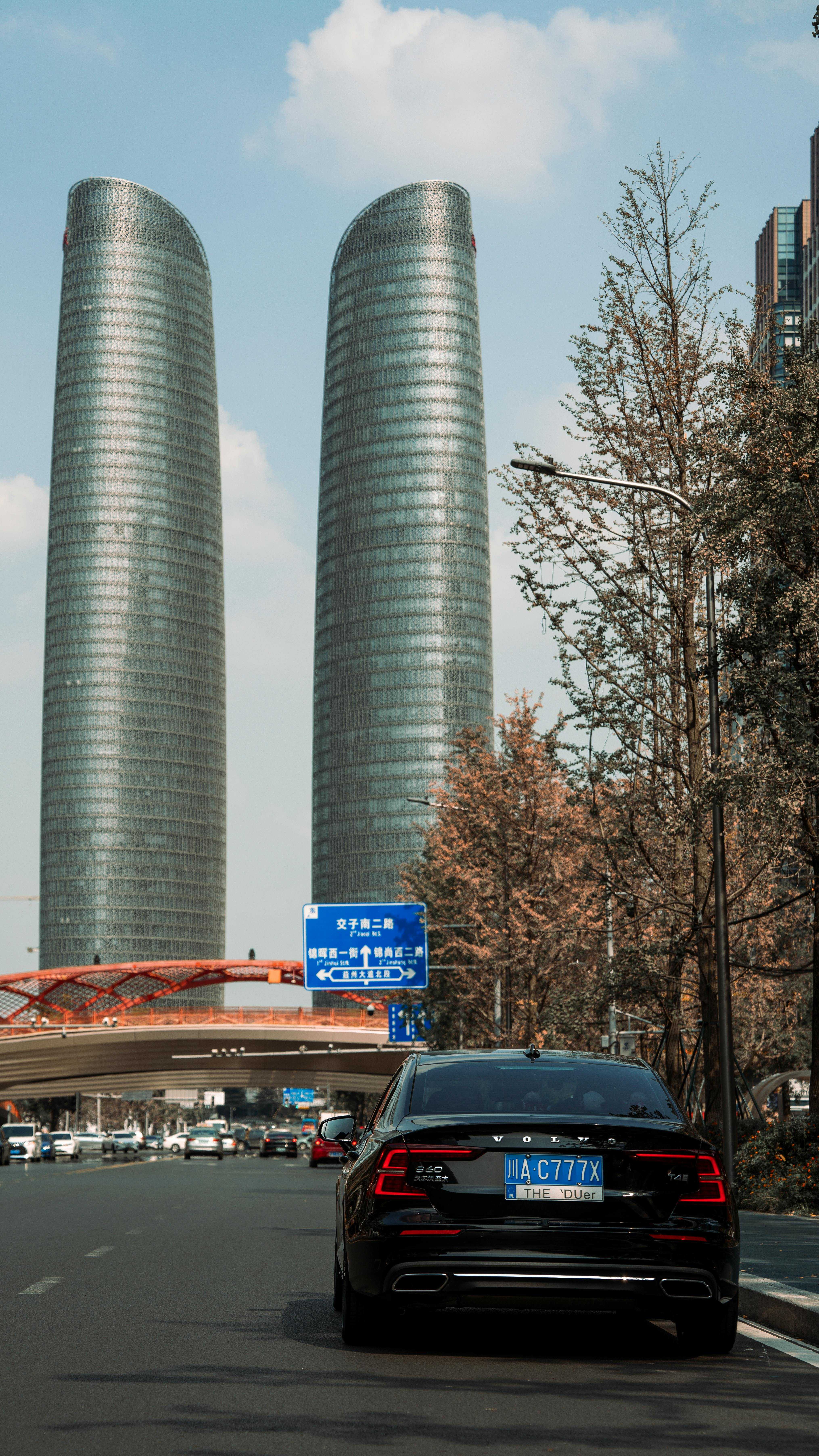
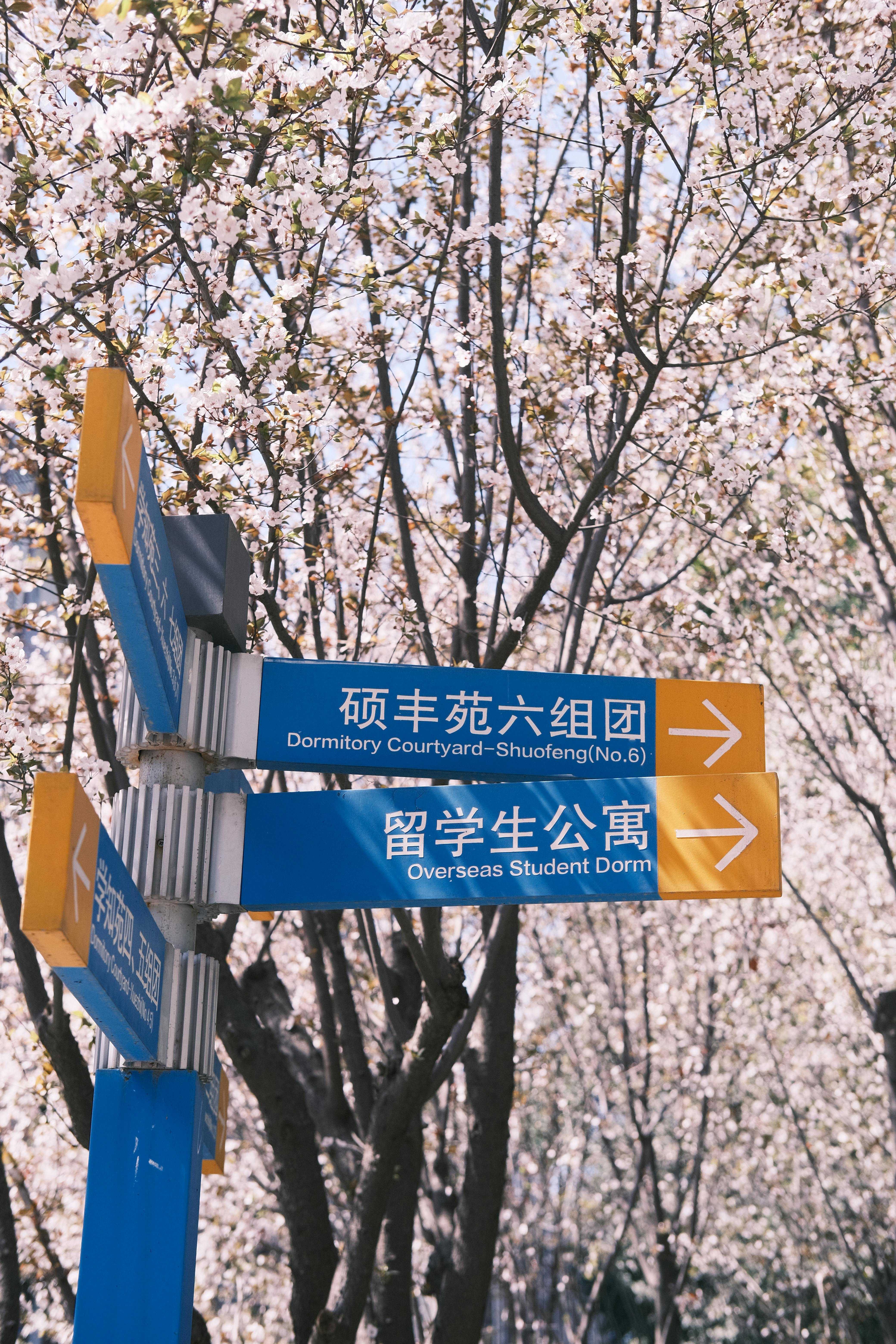
  5. Limited English signage: While Chengdu is a popular tourist destination, English signage can be limited in some areas, which might make it challenging to navigate for travelers who do not read Chinese characters.

  6. Weather: Chengdu has a humid subtropical climate with hot, humid summers and mild, damp winters. Travelers may need to prepare for the weather conditions accordingly.

These are some potential cons based on common travel experiences in Chengdu. It's always a good idea to research further and consult travel advisories before planning a trip to any destination.

Chengdu, the capital city of Sichuan Province in southwest China, has a rich and storied history that spans over 4,000 years. Situated in the fertile Chengdu Plain, it has been a significant cultural, economic, and political center throughout Chinese history.

Ancient Era

  • Early Settlements: Chengdu's history can be traced back to the 4th century BCE during the Shu Kingdom's existence. The region was known for its advanced irrigation techniques, particularly the Dujiangyan Irrigation System, which was constructed around 256 BCE by the engineer Li Bing and his son. This system is still in use today and is a UNESCO World Heritage Site.

  • Qin and Han Dynasties: After the Shu Kingdom was annexed by the Qin Dynasty, Chengdu became an important administrative and military center. During the Han Dynasty, it was one of the major centers for trade and culture in China.

Three Kingdoms Period

  • Shu Han Kingdom: Chengdu was the capital of the Shu Han state, one of the Three Kingdoms, from 221 to 263 CE. The famous warlord Liu Bei established his regime here, and the brilliant strategist Zhuge Liang served as his chancellor. This period is romanticized in the historical novel "Romance of the Three Kingdoms."

Tang and Song Dynasties

  • Cultural Flourishing: During the Tang Dynasty (618–907), Chengdu was a major cultural and commercial hub. It was known for its silk production and was one of the most populous cities in the world at the time. The city continued to prosper during the Song Dynasty (960–1279), when it was known for its tea culture and as a center for printing and publishing.

Yuan, Ming, and Qing Dynasties

  • During the Yuan Dynasty (1271–1368), Chengdu was the capital of Sichuan Province. It retained its regional importance through the Ming (1368–1644) and Qing (1644–1912) Dynasties, serving as a critical link in the trade routes between China and Tibet.

Modern Era

  • Republic of China: In the early 20th century, Chengdu became a center for revolutionary activity. The city experienced significant growth and modernization during this period.

  • People’s Republic of China: After the establishment of the People’s Republic of China in 1949, Chengdu continued to grow. It became a major base for the Chinese aerospace and electronics industries.

Significant Events and Figures

  • Dujiangyan Irrigation System: Constructed around 256 BCE, this ancient engineering marvel helped transform the region into a productive agricultural area.

  • Liu Bei and Zhuge Liang: Key figures during the Three Kingdoms period, their legacy is celebrated in literature and folklore.

  • Sichuan Earthquake (2008): Although the epicenter was not in Chengdu, the city played a crucial role in the rescue and relief efforts following the devastating earthquake.

Important Landmarks

  • Wuhou Shrine: This temple is dedicated to Zhuge Liang and Liu Bei and is a popular tourist destination.

  • Jinli Ancient Street: A historic commercial street that reflects the city’s vibrant past.

  • Chengdu Research Base of Giant Panda Breeding: Known globally for its efforts in conserving the giant panda.

  • Wenshu Monastery: One of the best-preserved Buddhist temples in Chengdu, with a rich collection of cultural relics.

  • Du Fu Thatched Cottage: The former residence of the famous Tang Dynasty poet Du Fu, now a museum and cultural attraction.

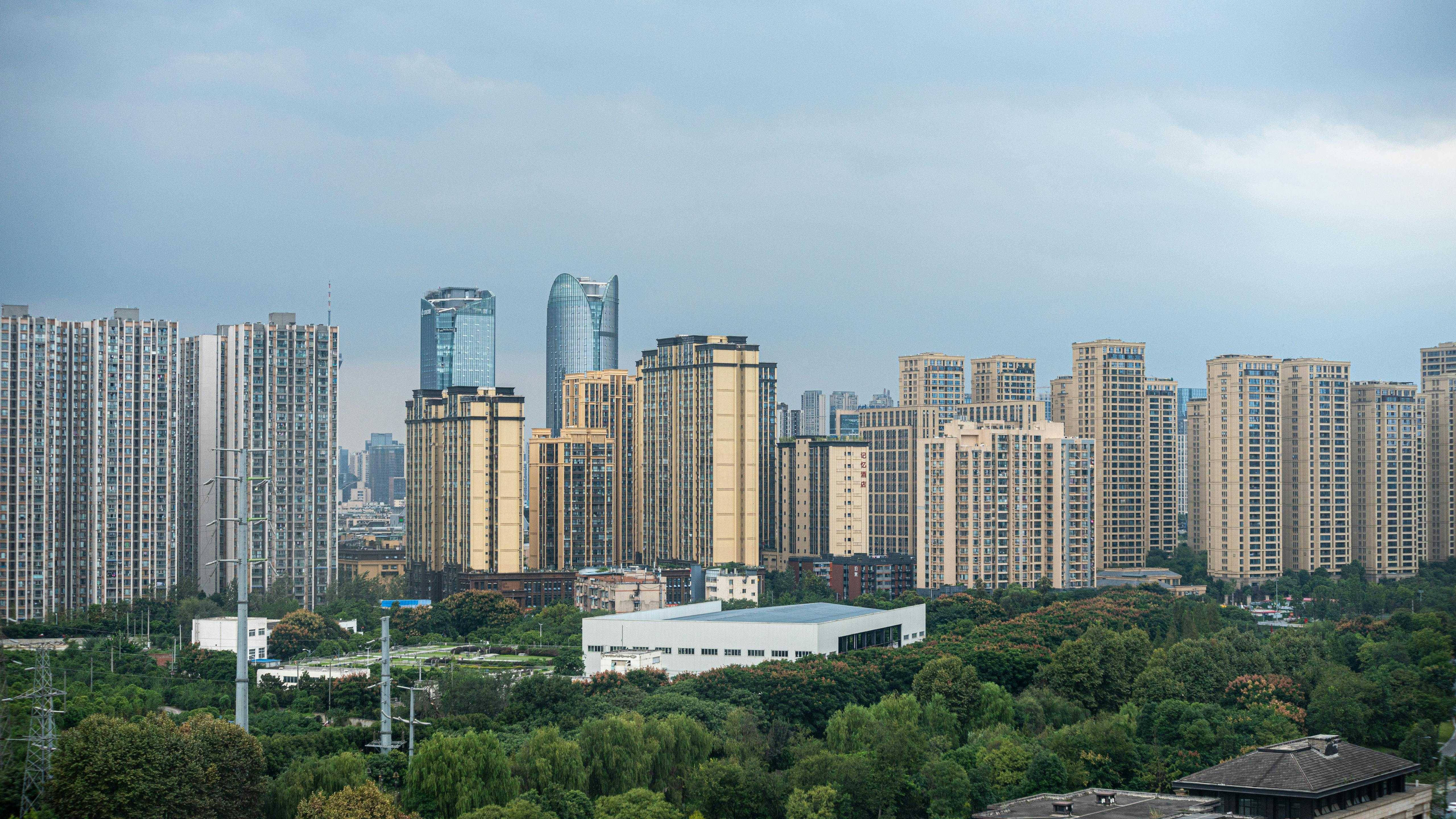
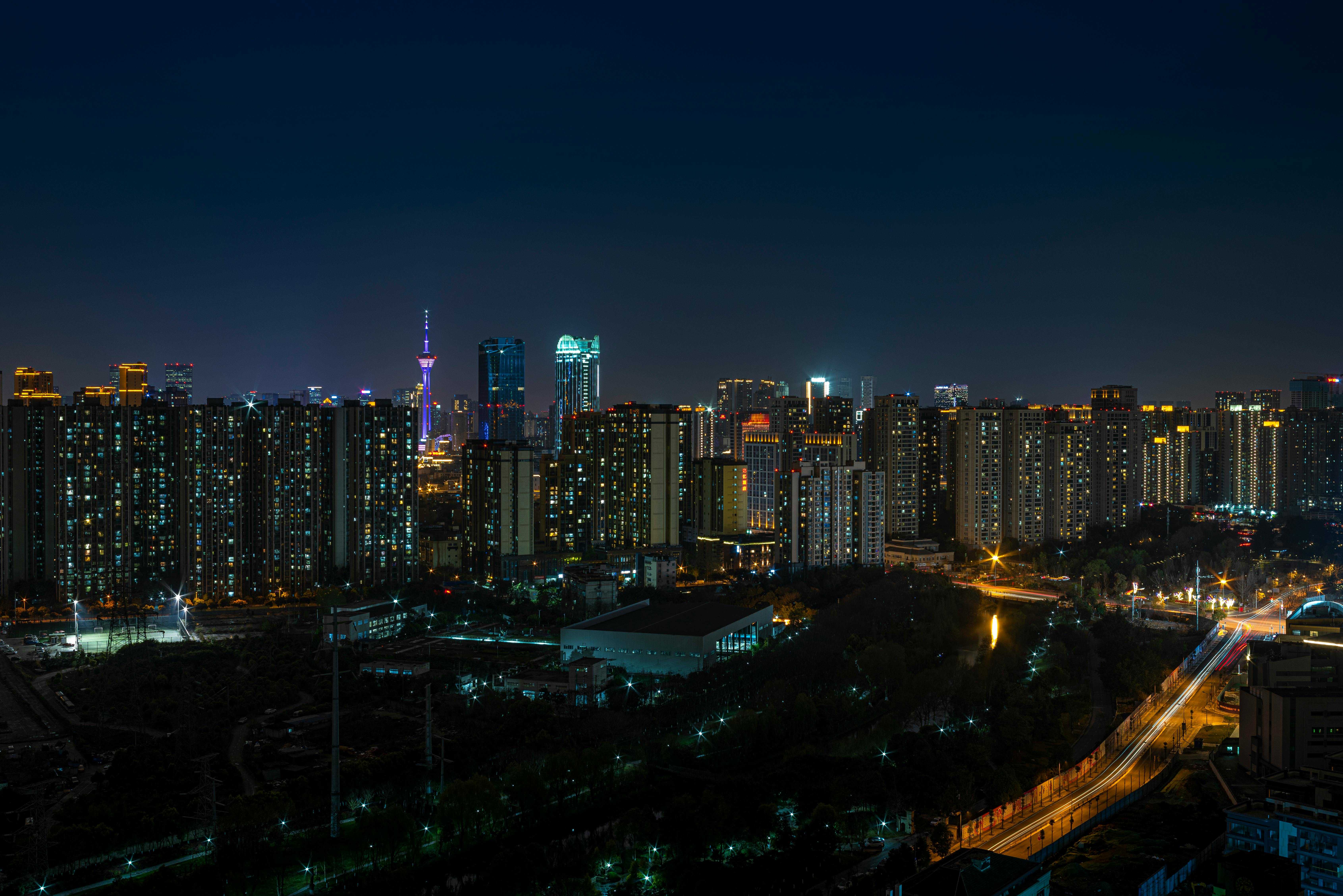
Chengdu today is a vibrant city known for its unique blend of ancient culture and modern development, and it continues to play a pivotal role in China's economic and cultural landscape.