
Chattanooga
· US

Chattanooga

Chattanooga, Tennessee, United States

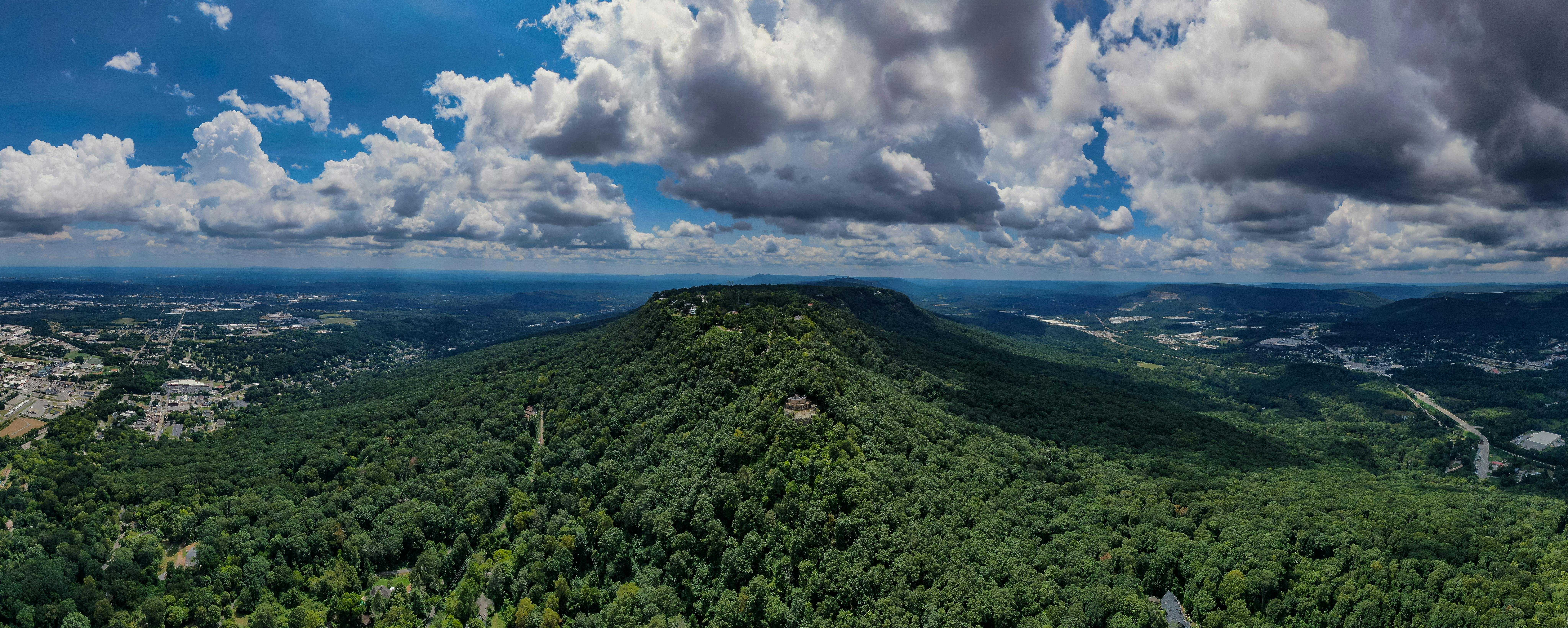
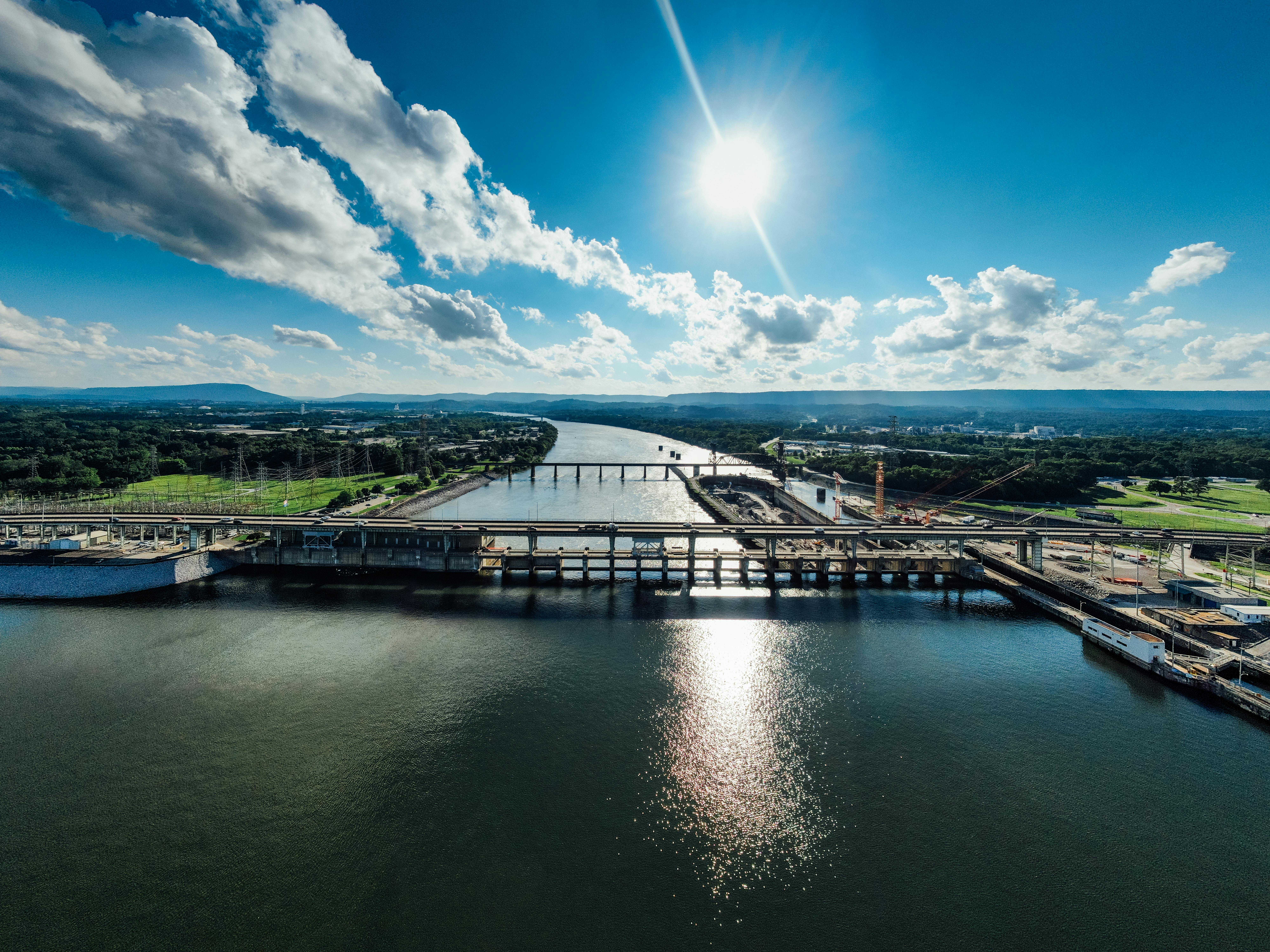
Discover Chattanooga: Where Southern Charm Meets Outdoor Adventure Nestled amidst the foothills of the Appalachian Mountains, Chattanooga, Tennessee, is a vibrant city brimming with Southern charm and exhilarating experi…

#Scenic views#Outdoor activities#Historic sites#Riverfront#Southern charm
1/14

Top hotels & flights

Hand-picked stays and the best fares into Chattanooga.

Top Hotels in Chattanooga

Top Flights to Chattanooga

Location videos

Real reels from travelers, plus longer watches to get the full picture.

Watch & explore

Practical info

The essentials for planning your time in Chattanooga.

Currency
$ | USD | US Dollar
Population
184,000
Languages
English, Spanish
Average weather
Chattanooga
Jan
cold
10°0°
Feb
cold
12°1°
Mar
cloud
17°5°
Apr
rain
22°9°
May
rain
26°14°
Jun
sun
30°18°
Jul
hot
32°21°
Aug
hot
31°20°
Sep
sun
28°17°
Oct
clear
22°10°
Nov
cloud
16°5°
Dec
cold
11°1°

Local guide

What travelers love, what to watch for, and a deeper read on Chattanooga.

What people love

Chattanooga, Tennessee offers a wide range of attractions and activities that make it a popular destination for travelers. Here are some pros of traveling to Chattanooga:

  1. Scenic Beauty: Chattanooga is nestled in the foothills of the Appalachian Mountains and boasts stunning natural scenery. Visitors can enjoy panoramic views of the Tennessee River, Lookout Mountain, and various hiking trails.

  2. Outdoor Activities: Chattanooga is known for its outdoor recreation opportunities. Visitors can go hiking, rock climbing, mountain biking, zip-lining, and white-water rafting in the surrounding area. The city also has numerous parks and green spaces for picnicking and relaxation.

  3. Cultural Attractions: Chattanooga has a rich history and vibrant arts scene. Visitors can explore historic sites such as the Chattanooga Choo Choo Hotel and the Tennessee Aquarium. The city also hosts various festivals, art galleries, and museums.

  4. Family-Friendly: Chattanooga offers plenty of family-friendly attractions, including the Creative Discovery Museum, the Tennessee Valley Railroad Museum, and the Chattanooga Zoo. Families can also enjoy activities such as riverboat cruises and the Incline Railway.

  5. Food and Drink: Chattanooga has a diverse culinary scene, with a range of restaurants serving Southern, BBQ, and international cuisine. Visitors can also explore local breweries, wineries, and distilleries for a taste of the region's craft beverages.

Overall, Chattanooga is a charming city with a mix of outdoor adventures, cultural attractions, and culinary delights that make it a great destination for travelers.

What to know

There are a few potential cons to traveling to Chattanooga, Tennessee. Here are some detailed points to consider:

  1. Limited Public Transportation: Chattanooga's public transportation system is not as extensive as in larger cities, so getting around may be more challenging without a car. While there are buses available, they may not cover all areas of interest for tourists.

  2. Weather Variability: Chattanooga experiences a range of weather conditions throughout the year, including hot and humid summers, and colder winters with occasional snowfall. This variability might impact outdoor activities and sightseeing plans.

  3. Tourist Crowds: Chattanooga is a popular tourist destination, especially during peak seasons like summer and holidays. This can lead to crowded attractions, longer wait times, and difficulty finding accommodations.

  4. Limited Nightlife: Compared to larger cities, Chattanooga's nightlife scene may be more limited in terms of options for bars, clubs, and entertainment venues. Visitors looking for a vibrant nightlife experience may find it somewhat lacking.

  5. Limited Dining Options: While Chattanooga does have a variety of dining options, it may not offer the same diversity and range of cuisines as larger cities. Visitors with specific dietary preferences or looking for gourmet dining experiences might find the choices somewhat limited.

Overall, while Chattanooga is a charming city with plenty to offer in terms of natural beauty, attractions, and outdoor activities, these potential cons are important factors to consider when planning a trip to the area.

Chattanooga, Tennessee, is a city with a rich history and numerous significant events, historical figures, and landmarks. Here's a detailed overview:

Early History and Founding

  • Indigenous Peoples: Before European settlement, the Chattanooga area was inhabited by Native American tribes, including the Cherokee. The area was significant due to its strategic location along the Tennessee River.
  • Establishment: Chattanooga was established as a city in 1839. Its name likely comes from the Muskogean word for "rock coming to a point," referring to Lookout Mountain.

Civil War Era

  • Strategic Importance: During the American Civil War, Chattanooga's location made it a critical rail hub and supply center for the Confederate Army.
  • Battles of Chattanooga (1863): This series of battles, including the Battle of Lookout Mountain and the Battle of Missionary Ridge, were pivotal Union victories that effectively opened the Deep South to Union advances. These battles are collectively known as the Chattanooga Campaign.

Post-Civil War and Industrial Growth

  • Reconstruction and Growth: Following the Civil War, Chattanooga experienced rapid growth, becoming a major industrial and manufacturing center due to its railroads and river access.
  • Flood of 1867: A significant flood occurred, prompting the construction of a levee to protect the city from future flooding.

20th Century Developments

  • Great Depression and TVA: During the Great Depression, the Tennessee Valley Authority (TVA) was established to provide electricity and spur economic development in the region.
  • World War II: The city contributed to the war effort with its manufacturing capabilities.
  • Urban Renewal: In the latter half of the 20th century, Chattanooga underwent significant urban renewal efforts to revitalize its downtown and riverfront areas.

Modern Era and Revitalization

  • Environmental Efforts: Once known for its pollution, Chattanooga became recognized for its environmental initiatives, including the transformation of its waterfront and the creation of the Tennessee Aquarium in 1992.
  • Technology and Innovation: In recent years, Chattanooga has become known for its high-speed internet infrastructure, earning the nickname "Gig City" due to its citywide gigabit-speed internet.

Historical Figures

  • John Ross: A principal chief of the Cherokee Nation, played a significant role in the history of the Cherokee people in the area.
  • George Thomas: A Union General during the Civil War, known for his role in the Battles of Chattanooga.

Important Landmarks

  • Lookout Mountain: Offers panoramic views of the city and was the site of the Battle of Lookout Mountain.
  • Tennessee Aquarium: A major tourist attraction that played a significant role in the city's revitalization efforts.
  • Chattanooga Choo Choo: A historic train station converted into a hotel and entertainment complex, named after the famous song.
  • Walnut Street Bridge: One of the longest pedestrian bridges in the world, connecting downtown Chattanooga to the North Shore district.
  • Hunter Museum of American Art: Located on a bluff overlooking the Tennessee River, it features an extensive collection of American art.

Chattanooga's transformation from a strategic military hub to an industrial powerhouse and then to a modern city known for its innovation and environmental revitalization illustrates its dynamic history and enduring significance in the Tennessee Valley region.