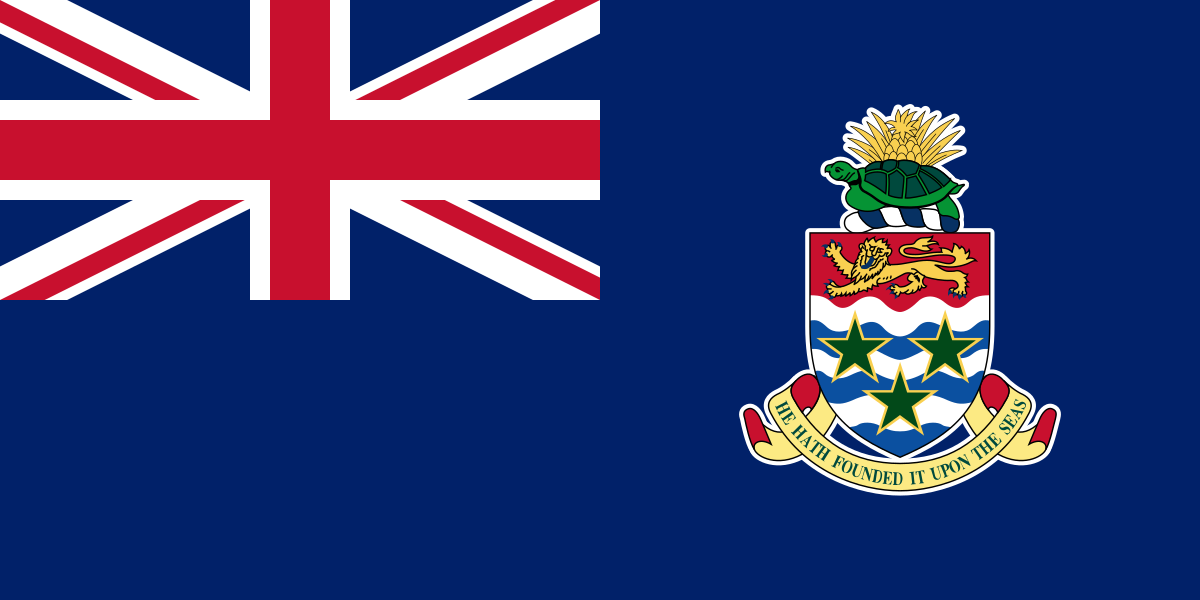
Cayman Islands
· KY

Cayman Islands

Cayman Islands

The Cayman Islands, located in the western Caribbean Sea, is a tropical paradise that offers a perfect blend of luxury, relaxation, and adventure. Comprising three main islands - Grand Cayman, Cayman Brac, and Little Cay…

#Caribbean#Tropical#Island Paradise#Tax Haven#Crystal Clear Waters
1/6

Top hotels & flights

Hand-picked stays and the best fares into Cayman Islands.

Top Hotels in Cayman Islands

Top Flights to Cayman Islands

Location videos

Real reels from travelers, plus longer watches to get the full picture.

From travelers
Watch & explore

Practical info

The essentials for planning your time in Cayman Islands.

Currency
$ | KYD | Cayman Islands Dollar
Population
The approximate estimated total population of the Cayman Islands is '0.07 million'.
Languages
English, English
Average weather
Cayman Islands
Jan
sun
28°22°
Feb
sun
28°22°
Mar
sun
29°23°
Apr
sun
30°24°
May
hot
31°25°
Jun
hot
32°26°
Jul
hot
32°26°
Aug
hot
32°26°
Sep
hot
32°26°
Oct
rain
31°25°
Nov
rain
30°24°
Dec
sun
29°23°

Local guide

What travelers love, what to watch for, and a deeper read on Cayman Islands.

What people love

The Cayman Islands offer numerous advantages for travelers, including:

  1. Stunning beaches: The Cayman Islands are renowned for their pristine white sandy beaches and crystal-clear turquoise waters, making them a perfect destination for sunbathing, swimming, snorkeling, and diving.

  2. Diverse marine life: The islands boast some of the best diving and snorkeling sites in the world, with vibrant coral reefs, colorful fish, and even opportunities to swim with stingrays at Stingray City.

  3. Safety and security: The Cayman Islands have a low crime rate and are considered a safe destination for travelers, providing peace of mind during your stay.

  4. Luxury resorts and accommodations: The islands offer a wide range of upscale resorts, hotels, and villas to suit every budget and preference, ensuring a comfortable and relaxing stay.

  5. Delicious cuisine: Cayman Islands cuisine features a mix of international influences, with fresh seafood, tropical fruits, and local specialties such as conch fritters and Cayman-style fish.

  6. Water activities: In addition to diving and snorkeling, visitors can enjoy a variety of water sports such as kayaking, paddleboarding, sailing, and fishing in the beautiful Caribbean Sea.

  7. Rich culture and history: The Cayman Islands have a unique cultural heritage influenced by African, British, and Caribbean traditions, with museums, art galleries, and historic sites to explore.

Overall, traveling to the Cayman Islands offers a perfect blend of natural beauty, outdoor activities, luxury amenities, and cultural experiences for a memorable vacation.

What to know

Some potential cons of traveling to the Cayman Islands include:

  1. Cost: The Cayman Islands are known for being an expensive destination, with high prices for accommodations, dining, and activities. This can make it challenging for budget travelers.

  2. Limited public transportation: The islands do not have a comprehensive public transportation system, so getting around can be more difficult and expensive compared to other destinations.

  3. Crowds: The Cayman Islands are a popular tourist destination, especially during peak seasons, which can lead to crowded beaches and attractions.

  4. Weather: The islands are prone to tropical storms and hurricanes during certain times of the year, which can disrupt travel plans and activities.

  5. Limited nightlife: While there are some bars and restaurants on the islands, the nightlife scene is not as vibrant as in other destinations.

  6. Environmental impact: Due to the high volume of tourists, there may be concerns about the environmental impact on the islands' delicate ecosystems.

Please note that these are general cons and may not apply to every traveler's experience. It's always a good idea to research and consider your own preferences and priorities when planning a trip.

The Cayman Islands, located in the western Caribbean Sea, have a rich history influenced by their strategic location and natural beauty. Here is a detailed history of the Cayman Islands, including significant events, historical figures, and important landmarks:

Early History:

  • Discovery and Naming: The Cayman Islands were discovered by European explorers in 1503 when Christopher Columbus came across the islands during his fourth and final voyage to the New World. He named them "Las Tortugas" due to the large number of sea turtles found there.
  • Renaming: The name "Cayman" is derived from the Carib word for crocodile, as early visitors mistook the local iguanas for crocodiles.

Colonial Era:

  • 16th to 17th Centuries: The islands were largely uninhabited, used primarily as a supply stop for food and water by various groups, including pirates, shipwrecked sailors, and deserters from Oliver Cromwell's army in Jamaica.
  • 1670: The Treaty of Madrid was signed, and Spain ceded the Cayman Islands to the British alongside Jamaica.
  • 1730s: The first permanent settlers arrived, primarily British soldiers and slaves from Jamaica.

18th to 19th Centuries:

  • 1794: The "Wreck of the Ten Sail" occurred when a convoy of ten ships was wrecked on the reefs off Grand Cayman. Local settlers rescued the crews and passengers, which is said to have resulted in a royal decree exempting the island from taxes—a story known as "The Legend of the Wreck of the Ten Sail."
  • 1835: Slavery was abolished in the Cayman Islands following the British Emancipation Act of 1833. This event significantly impacted the islands' demographic and social structure.

20th Century Developments:

  • 1950s: The islands began developing a reputation as a tax haven, attracting financial services that have since become a significant part of the economy.
  • 1962: When Jamaica gained independence from Britain, the Cayman Islands chose to remain a British Overseas Territory.
  • 1972: A new constitution was established, giving the Cayman Islands more autonomy.
  • 1980s-1990s: The financial services sector expanded rapidly, alongside tourism, which became a major industry.

Recent History:

  • 2004: Hurricane Ivan, a powerful and destructive storm, struck the Cayman Islands, causing widespread damage, particularly on Grand Cayman.
  • 2009: A new constitution was adopted, further clarifying the relationship between the Cayman Islands and the United Kingdom.

Significant Figures:

  • Sir Vassel Johnson: Known as the architect of the islands' financial services industry, he played a crucial role in establishing the Cayman Islands as a leading offshore financial center.
  • Jim Bodden: A prominent politician in the 20th century, he was influential in modernizing the islands' infrastructure and economy.

Important Landmarks:

  • Seven Mile Beach: A world-renowned beach on Grand Cayman, famous for its beauty and tourist attractions.
  • Pedro St. James Castle: Known as the "birthplace of democracy" in the Cayman Islands, this historic site was where the decision to form the first elected parliament was made.
  • Cayman Turtle Centre: A conservation facility dedicated to preserving the islands' native turtle population and educating visitors about marine life.

The Cayman Islands continue to thrive as a leading financial center and tourist destination, blending their rich cultural heritage with modern economic development.