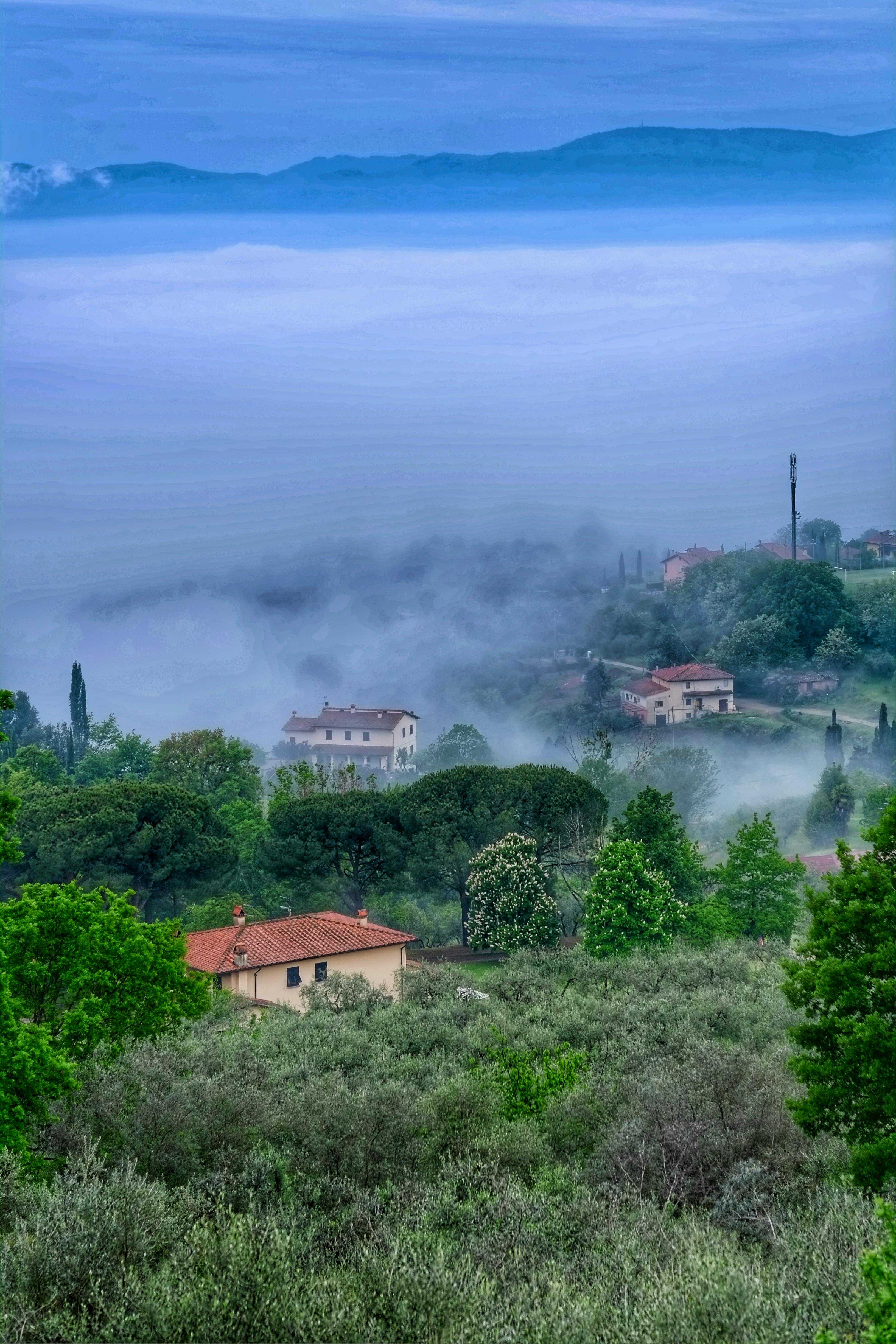

Castelfranco di Sopra
· IT

Castelfranco di Sopra

Castelfranco di Sopra, Tuscany, Italy

Castelfranco di Sopra, nestled in the beautiful region of Tuscany, Italy, is a charming medieval village that offers a perfect blend of history, culture, and natural beauty for visitors to explore. Located in the provinc…

#Castelfranco di Sopra#Tuscany#Italy#Small town#Historic architecture
1/1

Top hotels & flights

Hand-picked stays and the best fares into Castelfranco di Sopra.

Top Hotels in Castelfranco di Sopra

Top Flights to Castelfranco di Sopra

Location videos

Real reels from travelers, plus longer watches to get the full picture.

Watch & explore

Practical info

The essentials for planning your time in Castelfranco di Sopra.

Currency
€ | EUR | Euro
Population
Not Available
Languages
Italian, Italian
Average weather
Castelfranco di Sopra
Jan
cold
8°1°
Feb
cold
10°2°
Mar
cloud
14°4°
Apr
rain
18°7°
May
sun
23°11°
Jun
clear
27°15°
Jul
hot
31°18°
Aug
hot
31°18°
Sep
sun
26°15°
Oct
cloud
20°11°
Nov
rain
14°6°
Dec
cold
9°2°

Local guide

What travelers love, what to watch for, and a deeper read on Castelfranco di Sopra.

What people love

Castelfranco di Sopra, located in the picturesque region of Tuscany, Italy, offers visitors a charming and authentic Italian experience. Here are some pros of traveling to Castelfranco di Sopra:

  1. Scenic Beauty: Castelfranco di Sopra is surrounded by stunning Tuscan countryside, characterized by rolling hills, vineyards, and olive groves. Visitors can enjoy breathtaking views and immerse themselves in the natural beauty of the region.

  2. Historic Charm: The town itself has a rich history, with medieval walls, narrow cobblestone streets, and ancient buildings that evoke a sense of old-world charm. Walking through the town, visitors can discover historical sites such as the Church of Santa Maria, Palazzo Pretorio, and the Tower of the Clock.

  3. Authentic Italian Experience: Castelfranco di Sopra offers a more tranquil and authentic Italian experience compared to larger, more touristy cities. Visitors can mingle with locals, sample traditional Tuscan cuisine at local trattorias, and immerse themselves in the relaxed pace of life in a small Italian village.

  4. Proximity to Cultural Attractions: While Castelfranco di Sopra itself is a small town, it is conveniently located near major cultural attractions in Tuscany. Visitors can easily take day trips to cities like Florence, Siena, and Arezzo to explore renowned art galleries, museums, and historical landmarks.

  5. Outdoor Activities: The surrounding countryside of Castelfranco di Sopra offers ample opportunities for outdoor activities such as hiking, cycling, and wine tasting tours. Visitors can explore the Tuscan landscape, visit local wineries, and enjoy the fresh air and tranquility of the region.

Overall, traveling to Castelfranco di Sopra in Tuscany, Italy, provides a unique and memorable experience for those seeking a blend of natural beauty, history, culture, and relaxation in a charming Italian setting.

What to know

Information not available.

Castelfranco di Sopra is a small town located in the Tuscany region of Italy, within the province of Arezzo. It is part of the comune of Castelfranco Piandiscò. The town has a rich history that reflects the broader historical developments of Tuscany and Italy.

Historical Overview:

  1. Foundation and Early History:

    • Castelfranco di Sopra was founded in 1299 by the Republic of Florence. This was part of Florence's strategy to consolidate its power in the region by establishing new fortified settlements known as "terre murate" (walled towns) to control strategic locations and defend against potential threats from rival states.
  2. Middle Ages:

    • The town was strategically important due to its position along the ancient road linking Florence to Arezzo. This road was a vital commercial and military route.
    • The design of Castelfranco di Sopra follows a typical medieval plan with a grid layout, which was somewhat innovative for its time, showing the influence of Renaissance urban planning.
  3. Renaissance and Modern Era:

    • During the Renaissance, Castelfranco di Sopra, like many towns in Tuscany, experienced artistic and architectural development. The influence of the nearby city of Florence, a major center of the Renaissance, was significant.
    • Over the centuries, the town's strategic importance diminished, and it became more of an agricultural and local trade center.

Significant Events:

  • Florentine Control:

    • Throughout its history, Castelfranco di Sopra remained under the influence of Florence, sharing in its fortunes and adversities, such as economic prosperity during the Renaissance and challenges during periods of war and political upheaval.
  • Unification of Italy:

    • In the 19th century, Castelfranco di Sopra, like the rest of Tuscany, became part of the newly unified Kingdom of Italy in 1861, which marked a new era of political and social change.

Historical Figures:

  • While there are no particularly renowned historical figures directly associated with Castelfranco di Sopra, the town has been influenced by the broader historical figures and movements of the Florentine Republic and Tuscany.

Important Landmarks:

  1. The Walls and Gates:

    • The original medieval walls and gates of Castelfranco di Sopra are significant architectural elements. Although parts of the walls have been altered or lost over time, they remain a testament to the town's medieval origins.
  2. Church of San Tommaso:

    • This church is one of the main religious sites in the town and features artwork and architecture typical of the region.
  3. Piazza Vittorio Emanuele:

    • The main square of the town, which serves as a central point for community gatherings and markets, reflecting the town's historical role as a local center of commerce.
  4. Palazzo Comunale:

    • The town hall, which has historical significance as the center of local governance.

Castelfranco di Sopra, with its historical layout and enduring structures, offers a glimpse into the medieval and Renaissance past of Tuscany, shaped by its relationship with Florence and its strategic location in the Arno Valley.

This account provides a broad overview of Castelfranco di Sopra's history, but specific events and figures may not be as well-documented due to the town's relatively small size and local focus.