
Casper
· US

Casper

Casper, Wyoming, United States

Casper: Where Wild West History Meets Modern Adventure Nestled in the heart of Wyoming, Casper is a vibrant city brimming with rugged beauty, fascinating history, and a welcoming, down-to-earth atmosphere. Forget the ste…

#Casper#Wyoming#United States#City#Midwest
1/2

Top hotels & flights

Hand-picked stays and the best fares into Casper.

Top Hotels in Casper

Top Flights to Casper

Location videos

Real reels from travelers, plus longer watches to get the full picture.

From travelers

Practical info

The essentials for planning your time in Casper.

Currency
$ | USD | US Dollar
Population
61,000
Languages
English, English
Average weather
Casper
Jan
snow
-1°-11°
Feb
cold
1°-9°
Mar
cold
6°-5°
Apr
cloud
12°-1°
May
cloud
18°3°
Jun
sun
24°8°
Jul
hot
29°12°
Aug
hot
28°11°
Sep
sun
23°6°
Oct
cloud
15°0°
Nov
cold
6°-6°
Dec
snow
0°-10°

Local guide

What travelers love, what to watch for, and a deeper read on Casper.

What people love

Casper, Wyoming, located in the United States, has several pros for travelers:

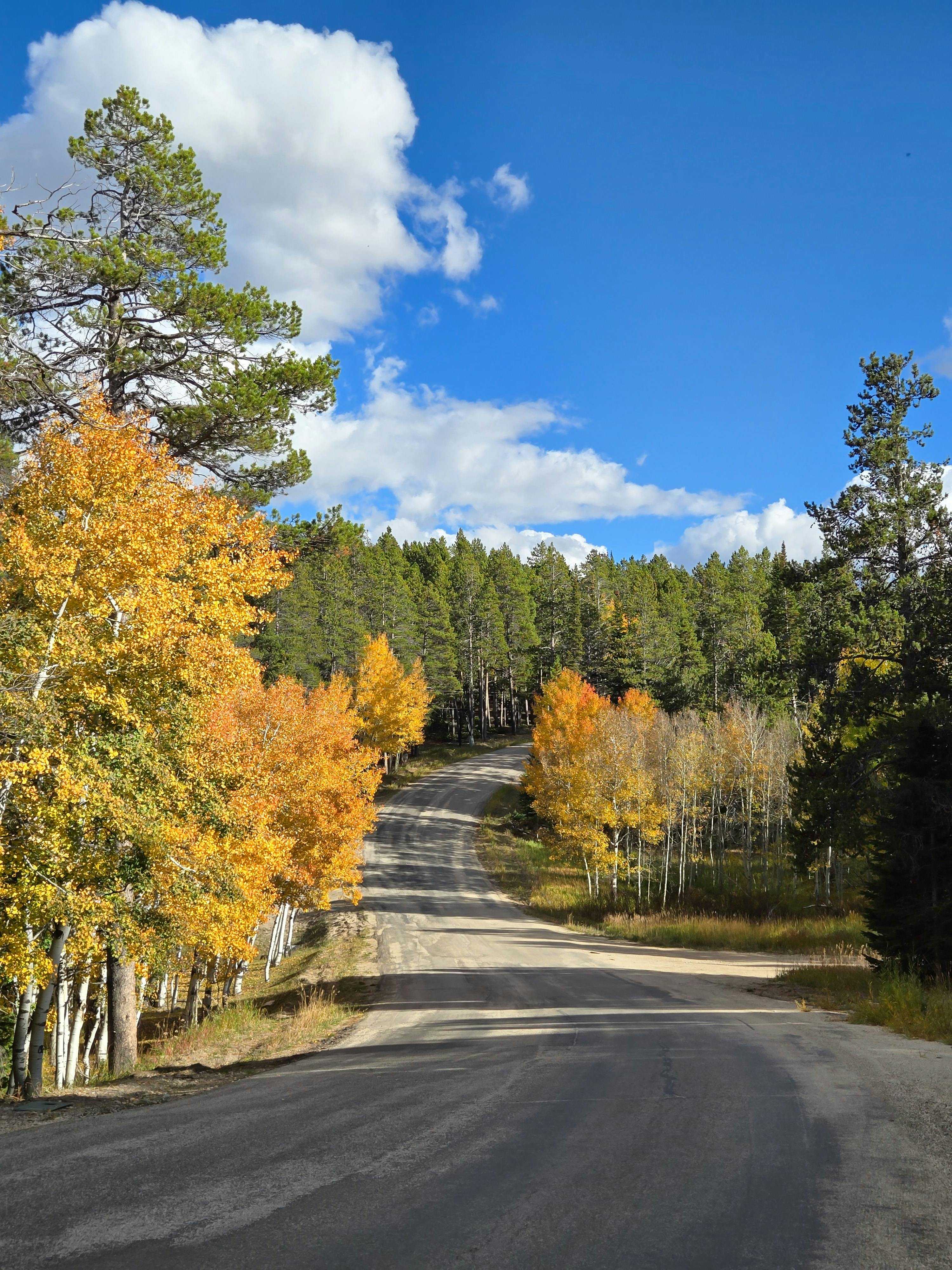
  1. Outdoor Activities: Casper is surrounded by beautiful natural landscapes, making it an ideal destination for outdoor enthusiasts. Visitors can enjoy activities such as hiking, fishing, camping, and wildlife viewing in nearby areas like Casper Mountain and the North Platte River.

  2. Cultural Attractions: Casper has a rich history and offers cultural attractions such as the National Historic Trails Interpretive Center, which provides insights into the area's role in westward expansion. The Nicolaysen Art Museum and the Tate Geological Museum are also worth a visit for art and science enthusiasts.

  3. Events and Festivals: Casper hosts various events and festivals throughout the year, including the Central Wyoming Fair & Rodeo, the College National Finals Rodeo, and the Beartrap Summer Festival. These events offer visitors a chance to experience local culture and entertainment.

  4. Friendly Community: Visitors often remark on the welcoming and friendly community in Casper. The locals are known for their hospitality and willingness to help visitors discover the best of what the region has to offer.

  5. Central Location: Casper's central location in Wyoming makes it a convenient base for exploring other nearby attractions, such as Yellowstone National Park, Grand Teton National Park, and the Bighorn Mountains.

Overall, traveling to Casper offers a blend of outdoor adventures, cultural experiences, community warmth, and convenient access to other attractions, making it a compelling destination for travelers.

What to know

Casper, Wyoming is a beautiful city with many attractions, but there are some cons to consider when traveling there:

  1. Weather: Casper experiences extreme weather conditions, with very cold winters and hot summers. Travelers should be prepared for these temperature fluctuations and potential weather-related disruptions.

  2. Limited public transportation: Casper is a relatively small city with limited public transportation options. Renting a car may be necessary to get around efficiently.

  3. Remote location: Casper is located in a relatively remote area of Wyoming, which may make it challenging to reach for some travelers. The nearest major airport is in Denver, Colorado, about a 4-hour drive away.

  4. Limited nightlife and entertainment options: While Casper offers a variety of outdoor activities and natural attractions, the city may not have as many nightlife and entertainment options compared to larger cities.

  5. Limited dining options: Casper may have fewer dining options compared to larger cities, which could be a concern for travelers looking for a diverse culinary experience.

Overall, while Casper has much to offer in terms of outdoor activities and natural beauty, travelers should be aware of these potential cons before planning a trip to the area.

Casper, Wyoming, is a city with a rich history that reflects the broader story of the American West. Here is a detailed history of Casper, Wyoming:

Early History and Settlement:

  • Native American Heritage: Before European settlement, the area around Casper was inhabited by various Native American tribes, including the Shoshone, Cheyenne, and Arapaho. These tribes used the region primarily for hunting and as a migration route.

  • Oregon Trail: The area became significant in the 19th century with the westward expansion of the United States. Casper was located along the Oregon Trail, a critical route for pioneers heading west. The trail crossed the North Platte River at a point nearby.

Founding and Growth:

  • Fort Caspar: The original settlement in the area was Fort Caspar, established in 1859 as a military post to protect emigrants along the Oregon, California, and Mormon Trails. It was named after Lieutenant Caspar Collins, who was killed in the nearby Battle of the Platte Bridge in 1865. The fort was eventually abandoned in 1867, but it was reconstructed in the 1930s and is now a museum.

  • Establishment of Casper: The town of Casper was officially founded in 1888 with the arrival of the Fremont, Elkhorn, and Missouri Valley Railroad. The railroad played a crucial role in the town's development, facilitating trade and transportation.

Economic Development:

  • Oil Boom: Casper saw significant growth with the discovery of oil in the early 20th century. The Salt Creek Oil Field, located north of the city, was discovered in 1889 and became one of the largest oil fields in the United States. This led to an economic boom and an increase in population.

  • Refineries and Industry: The oil industry led to the establishment of refineries and related industries in Casper, solidifying its role as an economic hub in Wyoming.

Significant Events and Figures:

  • Teapot Dome Scandal: Casper was indirectly involved in the infamous Teapot Dome Scandal of the 1920s, a bribery scandal involving the secret leasing of federal oil reserves. The Teapot Dome oil field is located near Casper.

  • Amelia Earhart: In 1931, famed aviator Amelia Earhart visited Casper as part of a cross-country flight. Her visit is a point of historical interest for the city.

Important Landmarks:

  • Fort Caspar Museum and Historic Site: A reconstruction of the original Fort Caspar, offering insights into the region's military and pioneer history.

  • National Historic Trails Interpretive Center: This center provides information about the Oregon, California, Mormon, and Pony Express Trails, all of which passed near Casper.

  • Casper Mountain: A prominent geographical feature near the city, offering recreational opportunities and scenic views.

  • Nicolaysen Art Museum: Established in 1967, it is one of Wyoming's most significant cultural institutions, featuring a range of contemporary art.

Modern Casper:

Today, Casper is the second-largest city in Wyoming and continues to serve as a cultural and economic center. It retains its historical roots while also embracing modern industries and tourism. The city's history is celebrated and preserved through its museums and historic sites, which attract visitors interested in the story of the American West.