

Top hotels & flights
Hand-picked stays and the best fares into Cartago.
Top Hotels in Cartago
Top Flights to Cartago
Location videos
Real reels from travelers, plus longer watches to get the full picture.
Practical info
The essentials for planning your time in Cartago.


Local guide
What travelers love, what to watch for, and a deeper read on Cartago.
What people love
Cartago, located in the Valle del Cauca region of Colombia, offers a unique and enriching travel experience for visitors. Some of the pros of traveling to Cartago include:
-
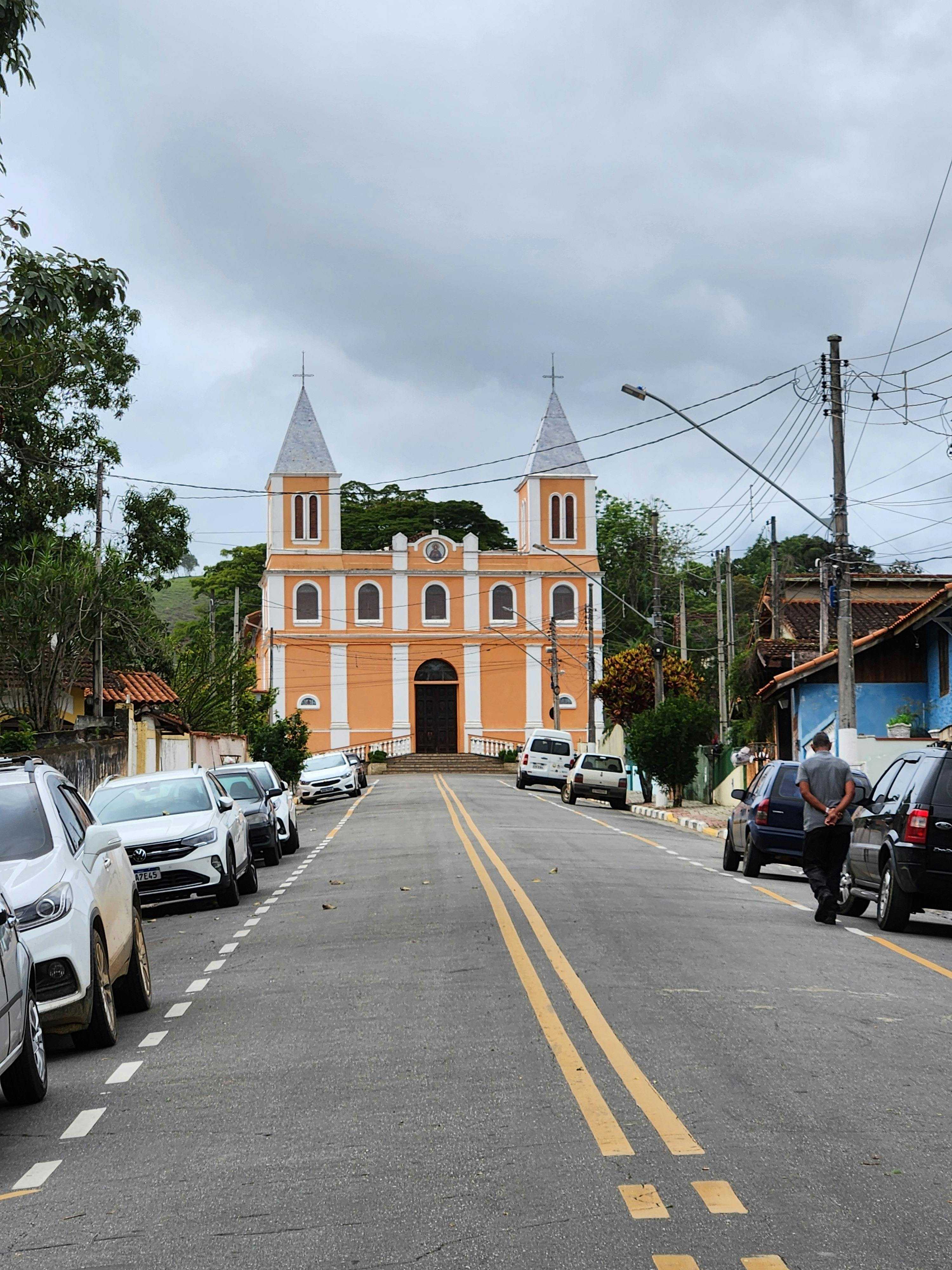
Rich Cultural Heritage: Cartago has a deep historical and cultural heritage, with well-preserved colonial architecture, churches, and museums that provide insight into the region's past.
-
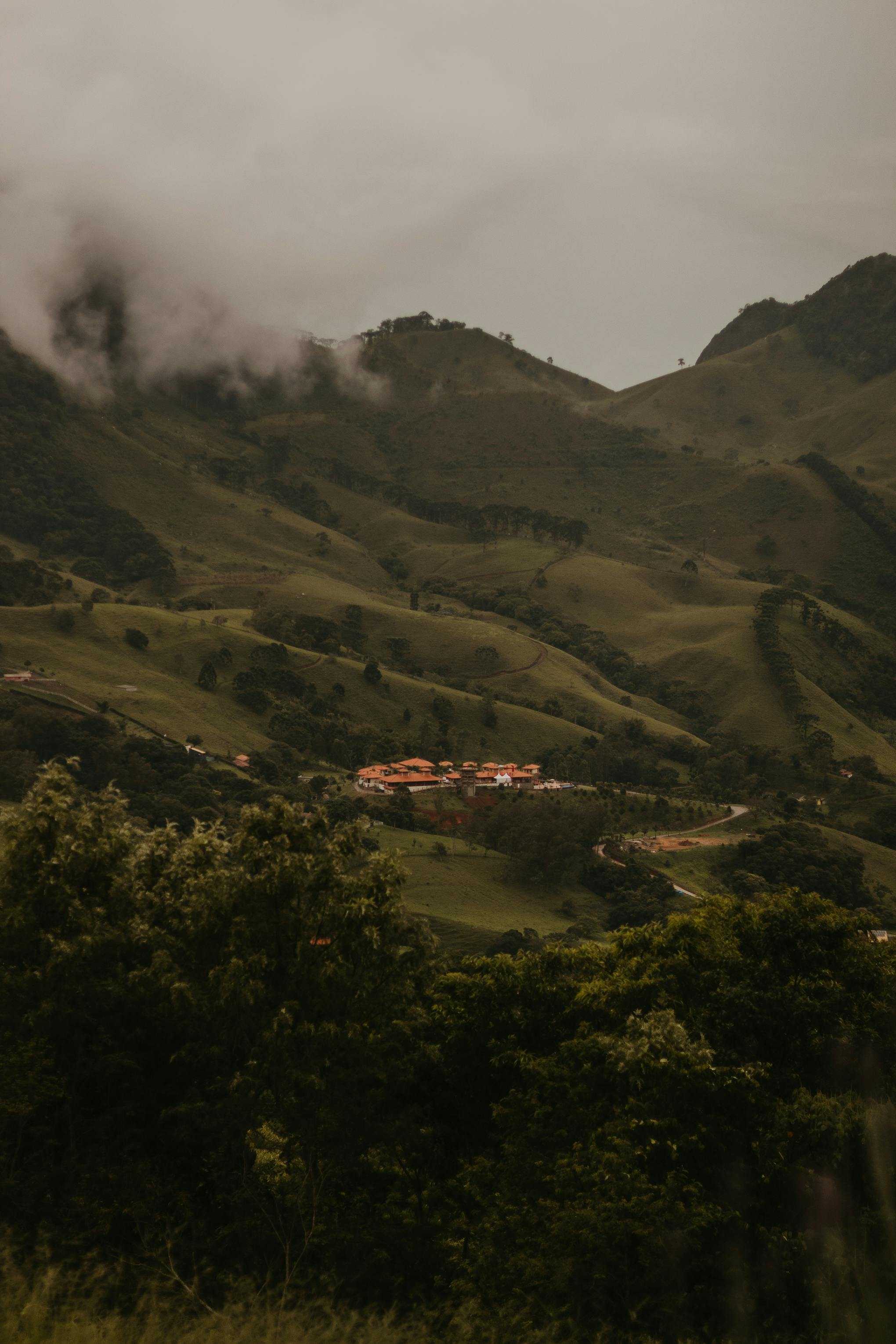
Natural Beauty: The surrounding Valle del Cauca region is known for its stunning natural landscapes, including lush green valleys, mountains, and coffee plantations. Visitors can enjoy outdoor activities like hiking, birdwatching, and exploring the countryside.
-
Coffee Tourism: Valle del Cauca is a major coffee-producing region in Colombia, and Cartago offers opportunities for visitors to learn about the coffee production process through tours of coffee farms and tastings of locally grown coffee.
-
Local Cuisine: Cartago is known for its delicious traditional Colombian cuisine, including dishes like bandeja paisa, sancocho, and arepas. Visitors can sample authentic local food at restaurants and street markets.
-
Festivals and Events: Cartago hosts various cultural festivals and events throughout the year, providing visitors with the opportunity to experience traditional music, dance, and celebrations.
-
Friendly Locals: The people of Cartago are known for their warmth and hospitality, making visitors feel welcome and at home during their stay.
Overall, traveling to Cartago in Valle del Cauca, Colombia, offers a blend of cultural immersion, natural beauty, and unique experiences that can make for a memorable and rewarding trip.
What to know
Cartago, located in the Valle del Cauca region of Colombia, is a beautiful destination with much to offer visitors. However, like any travel destination, there are some potential cons to consider:
-
Safety Concerns: While Colombia has made significant progress in improving its safety and security situation in recent years, some areas, including Cartago, may still have higher crime rates compared to other destinations. It is important for travelers to remain vigilant and take necessary precautions to ensure their safety.
-
Limited Tourist Infrastructure: Cartago is not as developed for tourism as some other Colombian cities, which means that visitors may encounter limited options for accommodations, restaurants, and tourist services. This can make it more challenging to navigate the city and may result in a less comfortable travel experience for some visitors.
-
Language Barrier: While many people in Cartago may speak basic English, the primary language spoken is Spanish. Travelers who do not speak Spanish may find it challenging to communicate with locals, which can lead to misunderstandings and difficulties in getting around the city.
-
Limited Attractions: While Cartago has its own charm and unique attractions, it may not offer as many tourist sites and activities as other Colombian cities like Medellin or Cartagena. Visitors looking for a wide range of cultural attractions, nightlife options, and outdoor activities may find Cartago to be lacking in comparison.
-
Transportation Challenges: Getting to and around Cartago may be more difficult compared to other destinations in Colombia. Public transportation options may be limited, and road conditions in some areas may be less than ideal. Visitors may need to rely on taxis or rental cars to explore the city and its surroundings.
Overall, while Cartago has much to offer in terms of natural beauty and cultural experiences, travelers should be aware of these potential cons and plan accordingly to ensure a safe and enjoyable visit.