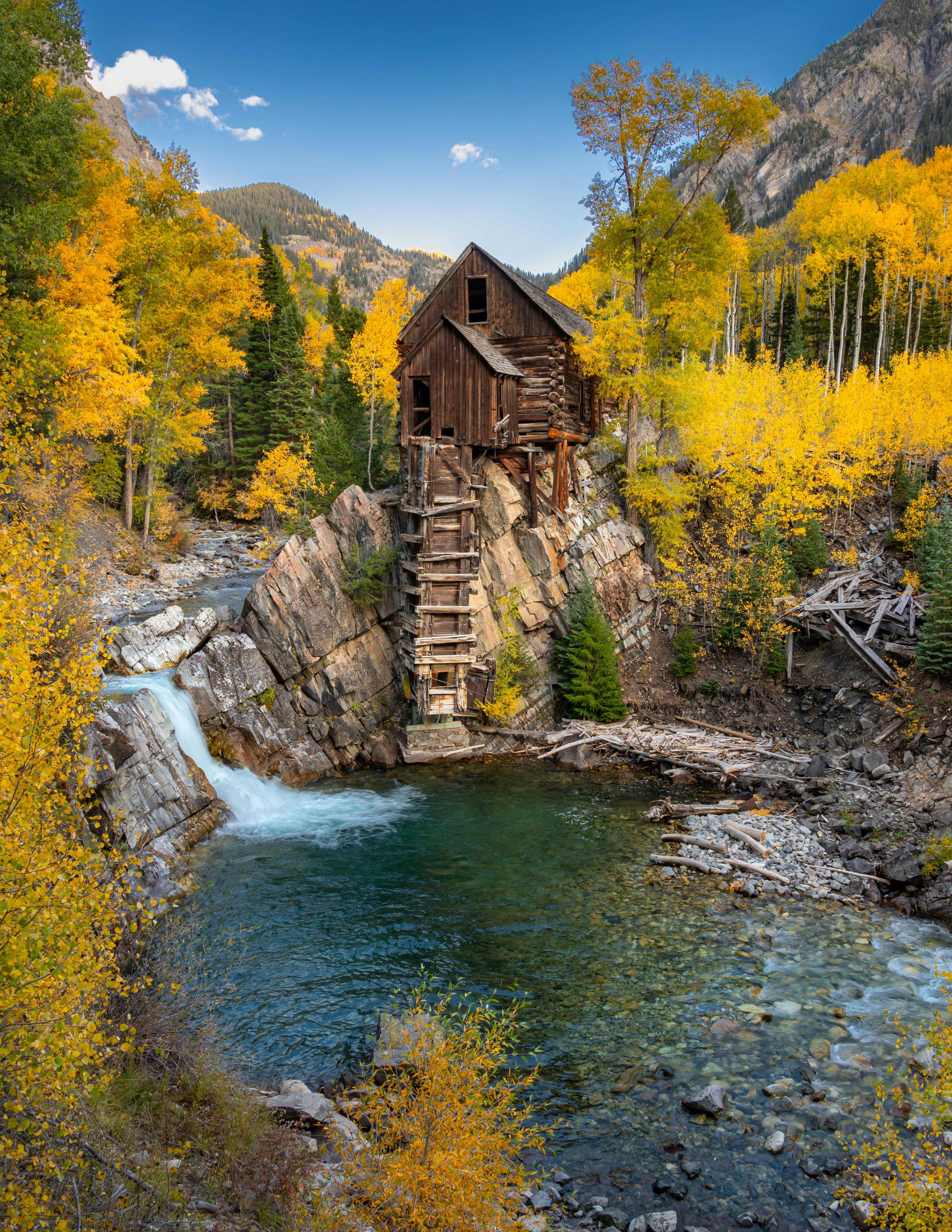

Carbondale
· US

Carbondale

Carbondale, Pennsylvania, United States

Welcome to Carbondale, Pennsylvania, a charming town nestled in the heart of the beautiful Lackawanna River Valley. Known for its rich history and vibrant community spirit, Carbondale offers a delightful blend of small-t…

#Small town#Historic#Coal mining#Outdoor recreation#Northeastern Pennsylvania
1/1

Top hotels & flights

Hand-picked stays and the best fares into Carbondale.

Top Hotels in Carbondale

Top Flights to Carbondale

Location videos

Real reels from travelers, plus longer watches to get the full picture.

Watch & explore

Practical info

The essentials for planning your time in Carbondale.

Currency
$ | USD | US Dollar
Population
Information not available.
Languages
English, English
Average weather
Carbondale
Jan
cold
4°-5°
Feb
cold
7°-3°
Mar
cloud
13°1°
Apr
rain
19°7°
May
rain
25°13°
Jun
sun
30°18°
Jul
hot
33°21°
Aug
hot
32°20°
Sep
clear
28°15°
Oct
cloud
21°9°
Nov
cloud
13°3°
Dec
cold
6°-2°

Local guide

What travelers love, what to watch for, and a deeper read on Carbondale.

What people love

Carbondale, Pennsylvania, located in the United States, offers several advantages for travelers. Some of the pros of traveling to Carbondale include:

  1. Scenic Natural Beauty: Carbondale is surrounded by beautiful natural landscapes, including mountains, forests, and rivers. Outdoor enthusiasts can enjoy activities such as hiking, fishing, and kayaking in the area.

  2. Historic Charm: Carbondale has a rich history dating back to the early 19th century when it was a prominent coal mining town. Visitors can explore historic sites, museums, and architecture that provide insight into the town's past.

  3. Small-Town Atmosphere: Carbondale has a welcoming and friendly small-town atmosphere, making it a great destination for those looking to escape the hustle and bustle of city life. Visitors can experience a slower pace of life and connect with the local community.

  4. Cultural Attractions: Despite its small size, Carbondale offers cultural attractions such as art galleries, theaters, and music venues. Visitors can immerse themselves in local arts and entertainment during their stay.

  5. Proximity to Other Destinations: Carbondale is located within driving distance of other popular destinations in Pennsylvania, such as Scranton and the Pocono Mountains. Travelers can easily explore the surrounding area and take day trips to nearby attractions.

Overall, Carbondale, Pennsylvania, offers a mix of natural beauty, history, culture, and a relaxed atmosphere, making it a charming destination for travelers seeking a unique and authentic experience.

What to know

Carbondale, Pennsylvania is a small town with a population of around 8,500 people. While there are many positive aspects to visiting Carbondale, such as its scenic beauty and historical charm, there are a few potential cons to consider as well:

  1. Limited tourist attractions: Carbondale is a small town and may not offer as many tourist attractions or activities compared to larger cities. Visitors looking for a bustling nightlife, high-end shopping, or a wide variety of dining options may find the choices in Carbondale to be limited.

  2. Limited public transportation options: Carbondale is a small town with limited public transportation options. Visitors may find it challenging to get around without a car, as there are limited bus or taxi services available.

  3. Limited accommodation options: While Carbondale does have some lodging options, such as bed and breakfasts and small hotels, the selection may be limited compared to larger cities. Visitors looking for a wide range of accommodation choices may find the options in Carbondale to be more limited.

  4. Seasonal weather: Carbondale experiences all four seasons, with cold winters and warm summers. Visitors should be prepared for potentially extreme weather conditions depending on the time of year they visit.

Overall, while Carbondale has its charm and appeal, visitors should be aware of these potential cons when planning a trip to the area.

Carbondale, Pennsylvania, is a small city with a rich history located in Lackawanna County. Its development is closely tied to the coal mining industry, which played a crucial role in its growth and prosperity.

Founding and Early History:

Carbondale was settled in 1824 and incorporated as a borough in 1831. It was named for the rich deposits of anthracite coal in the area. The discovery of coal was a significant factor in its early growth, attracting settlers and leading to the establishment of the Delaware and Hudson Canal Company (D&H), which was instrumental in the coal transportation industry.

The Gravity Railroad:

In 1829, Carbondale became the site of the nation's first underground mine and later the starting point of the Delaware and Hudson Gravity Railroad. This gravity railroad was used to transport coal from the mines to the canal, where it could then be shipped to other regions. The railroad and canal system were pioneering transportation methods at the time.

The First St. Rose of Lima Church:

Carbondale is home to the St. Rose of Lima Church, which was the first Catholic church in the region, established in 1832. It remains a significant landmark and is part of the city's cultural heritage.

Economic Development:

During the 19th century, Carbondale was a bustling center for coal mining and railroads. The city's economy was heavily reliant on these industries, which led to population growth and urban development. By the late 1800s, Carbondale had become an important center for the coal industry in Pennsylvania.

Decline of Coal Industry:

Like many towns in the region, Carbondale experienced a decline with the waning of the coal industry in the mid-20th century. The shift away from coal as a primary energy source led to economic challenges and a decrease in population.

Notable Figures:

  • John Mitchell: A prominent labor leader associated with the United Mine Workers of America. He fought for the rights of miners and played a significant role in the labor movement at the turn of the 20th century.

Modern Carbondale:

Today, Carbondale is a small city that has shifted from its industrial roots. It focuses on community development and preserving its historical heritage. Efforts have been made to diversify the economy and revitalize the downtown area.

Landmarks:

  • Carbondale City Hall and Courthouse: These historic buildings reflect the city's past significance and are central to its identity.
  • Pioneer Plaza: A central location in the city that hosts community events and activities.
  • The Carbondale Historical Society and Museum: Offers insights into the city's history with exhibits and archives detailing its industrial past.

Carbondale's history is a testament to the impact of the coal mining industry in shaping the region. Despite economic changes, the city remains proud of its heritage and continues to honor its past through preservation and community engagement.