
Campbell River
· CA

Campbell River

Campbell River, British Columbia, Canada

Campbell River, nestled on the eastern shore of Vancouver Island in British Columbia, Canada, is a picturesque coastal city known for its stunning natural beauty and outdoor recreational opportunities. This charming dest…

#coastal#fishing#outdoor activities#wildlife viewing#scenic views
1/5

Top hotels & flights

Hand-picked stays and the best fares into Campbell River.

Top Hotels in Campbell River

Top Flights to Campbell River

Location videos

Real reels from travelers, plus longer watches to get the full picture.

From travelers
Watch & explore

Practical info

The essentials for planning your time in Campbell River.

Currency
$ | CAD | Canadian Dollar
Population
38,000
Languages
English, French
Average weather
Campbell River
Jan
rain
6°1°
Feb
rain
8°1°
Mar
cloud
10°2°
Apr
cloud
13°4°
May
cloud
16°7°
Jun
sun
19°10°
Jul
sun
23°12°
Aug
sun
23°12°
Sep
cloud
20°10°
Oct
rain
14°6°
Nov
rain
9°3°
Dec
rain
6°1°

Local guide

What travelers love, what to watch for, and a deeper read on Campbell River.

What people love

Campbell River, located in British Columbia, Canada, offers a variety of attractions and activities that make it a popular destination for travelers. Some of the pros of traveling to Campbell River include:

  1. Outdoor Adventures: Campbell River is known as the "Salmon Capital of the World," making it a paradise for fishing enthusiasts. Visitors can enjoy fishing charters, wildlife tours, and even bear-watching excursions in the surrounding area. The region also offers opportunities for hiking, kayaking, and whale watching.

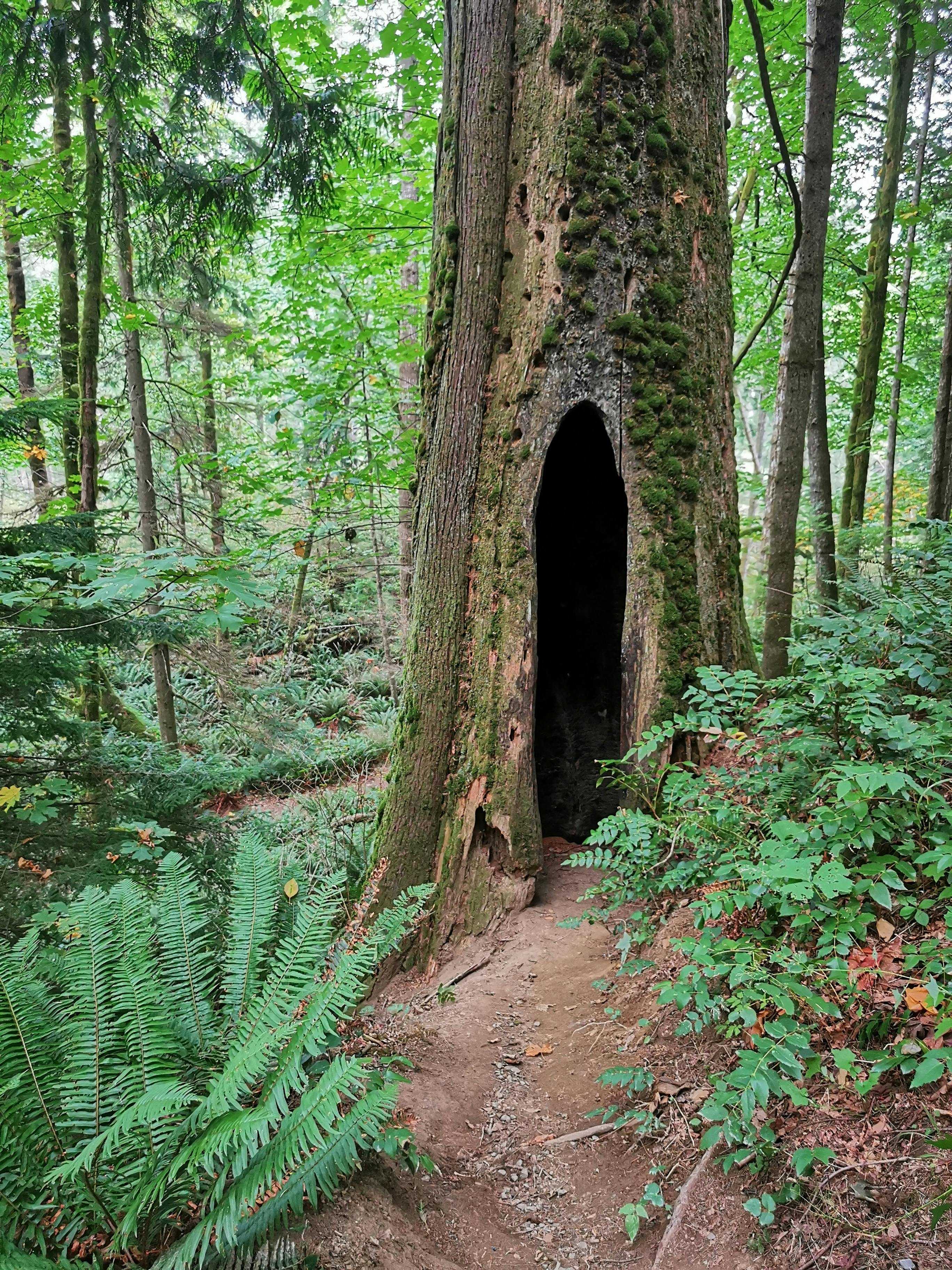
  2. Scenic Beauty: Surrounded by stunning natural landscapes, Campbell River boasts breathtaking views of the ocean, mountains, and forests. Visitors can explore nearby parks such as Elk Falls Provincial Park and Strathcona Provincial Park, which offer hiking trails, waterfalls, and camping opportunities.

  3. Indigenous Culture: Campbell River is home to the Wei Wai Kum and We Wai Kai First Nations, and visitors have the opportunity to learn about Indigenous culture and history through cultural experiences, art galleries, and traditional events.

  4. Local Cuisine: The town is known for its fresh seafood, particularly salmon and shellfish. Visitors can enjoy delicious seafood dishes at local restaurants and cafes, as well as explore farmers' markets and food festivals showcasing the region's culinary offerings.

  5. Tranquil Atmosphere: Campbell River offers a peaceful and laid-back atmosphere, making it an ideal destination for those looking to relax and unwind in a scenic setting away from the hustle and bustle of city life.

Overall, traveling to Campbell River provides a unique blend of outdoor adventures, cultural experiences, and natural beauty that appeals to a wide range of travelers seeking a memorable and immersive vacation.

What to know

Traveling to Campbell River, located in British Columbia, Canada, does come with some potential drawbacks. Some cons to consider include:

  1. Weather: Campbell River experiences a typical coastal climate with significant rainfall throughout the year. This can impact outdoor activities and sightseeing opportunities, especially if you prefer sunny and dry weather.

  2. Remote Location: Campbell River is situated in a more remote area of British Columbia, which may make it difficult to access for some travelers. Limited transportation options and longer travel times could be a downside for those seeking convenience.

  3. Limited Entertainment: While Campbell River offers beautiful natural scenery and outdoor activities such as hiking, fishing, and wildlife watching, it may lack the variety of entertainment options found in larger cities. If you prefer a bustling nightlife or a wide range of cultural attractions, Campbell River might not be the best fit.

  4. Seasonal Variability: The town's economy is heavily reliant on tourism, particularly during the summer months. This could lead to crowded conditions and higher prices during peak seasons, which may not be ideal for travelers looking for a more relaxed experience.

  5. Wildlife Encounters: While seeing wildlife such as bears, eagles, and whales can be an exciting part of visiting Campbell River, it also comes with potential risks. Visitors need to be aware of wildlife safety guidelines and respectful of the natural environment to avoid any dangerous encounters.

Overall, while Campbell River offers stunning natural beauty and outdoor adventures, travelers should be prepared for the potential drawbacks mentioned above when planning a trip to this destination.

Campbell River, located on the east coast of Vancouver Island in British Columbia, Canada, has a rich history that dates back thousands of years, with a significant presence of Indigenous peoples before European contact. The area is traditionally the territory of the Laich-kwil-tach people, part of the larger Kwakwaka'wakw First Nations.

Indigenous History: The Laich-kwil-tach have lived in the Campbell River area for thousands of years, relying on the region's abundant natural resources for sustenance. They were skilled fishers, hunters, and gatherers, with a deep cultural and spiritual connection to the land and sea. The river itself is known as "Wiwek̓a̱m" in the Kwak'wala language.

European Exploration and Settlement: The first recorded European contact in the area was by Captain George Vancouver in 1792 during his exploration of the Pacific Northwest. However, it wasn't until the mid-19th century that European settlers began to establish themselves in the region.

In the late 1800s, the discovery of gold in the area, particularly on nearby Quadra Island, attracted prospectors and settlers. The town of Campbell River began to take shape in the early 20th century, named after Dr. Samuel Campbell, the surgeon aboard the HMS Plumper, a British survey vessel.

Development and Economic Growth: The construction of the E&N Railway extension to Campbell River in the early 1900s facilitated further growth and development. The town's economy was initially driven by logging and fishing, industries that continued to play a significant role in its development throughout the 20th century.

In the 1940s, the construction of the Elk Falls hydroelectric project marked a significant development, providing power to the growing community and supporting industrial expansion. The establishment of pulp and paper mills further bolstered the local economy.

Significant Events:

  • 1958: Campbell River was incorporated as a village.
  • 1964: The village was reincorporated as a town.
  • 2005: Campbell River officially became a city, reflecting its growth and development over the decades.

Historical Figures:

  • Dr. Samuel Campbell: Though not a resident, he is the namesake of the town due to his contributions as a member of the HMS Plumper crew.
  • Roderick Haig-Brown: A notable figure in Campbell River's history, Haig-Brown was a conservationist and writer whose works on fly fishing, environmental conservation, and life in the Pacific Northwest have had a lasting impact.

Important Landmarks:

  • Elk Falls Provincial Park: Known for its stunning waterfalls and lush forests, the park is a popular destination for both locals and visitors.
  • Museum at Campbell River: This museum provides insights into the area's cultural and natural history, with exhibits on Indigenous culture, European settlement, and the development of local industries.
  • Discovery Pier: Canada's first saltwater fishing pier, offering panoramic views of Discovery Passage and opportunities for fishing and leisure.
  • Haig-Brown Heritage House: The former home of Roderick Haig-Brown, now a National Historic Site, offering a glimpse into the life and work of this influential conservationist.

Today, Campbell River is known as the "Salmon Capital of the World" due to its prime location for salmon fishing, and it continues to be a hub for outdoor recreation, tourism, and a gateway to the natural beauty of northern Vancouver Island and the surrounding areas.