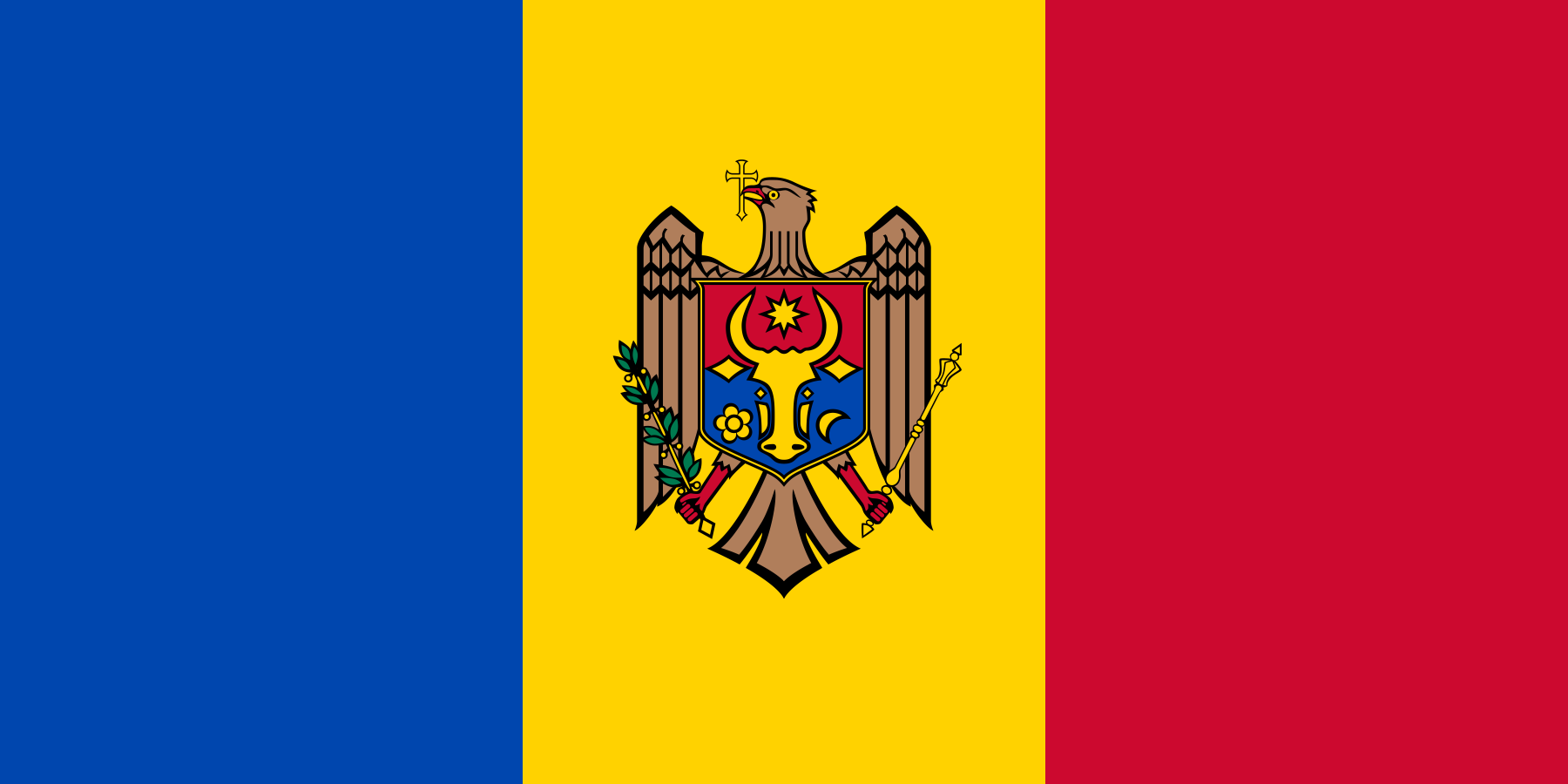
Călărași, located in the Republic of Moldova, is a town with a rich history and cultural heritage. However, detailed historical records specifically about Călărași are limited. Here is a general overview of the area based on available information:
-
Early History: The region that is now Moldova, including Călărași, has been inhabited since ancient times. The area was part of various states and empires, including Dacia, the Roman Empire, and later the Principality of Moldavia.
-
Medieval Period: During the medieval period, the lands of present-day Călărași were part of the Principality of Moldavia. This principality was a significant political and cultural entity in Eastern Europe.
-
Ottoman Influence: Like much of the region, Călărași came under Ottoman suzerainty from the 16th century until the 19th century. Although the Ottomans did not directly administer the area, their influence was felt in the governance and culture of the region.
-
Russian Empire: In the 19th century, following the Russo-Turkish Wars, the region, including Călărași, became part of the Russian Empire. This period saw changes in administration and an influx of settlers.
-
20th Century: The early 20th century was a time of turmoil and change for Călărași, as it was for all of Moldova. After World War I, the region became part of Greater Romania. During World War II, Moldova was affected by the conflict, experiencing occupation by both Soviet and Axis-aligned forces.
-
Soviet Era: After World War II, Călărași, along with the rest of Moldova, became part of the Soviet Union. This period saw significant industrialization and collectivization efforts, as well as cultural and political changes.
-
Independence: In 1991, with the dissolution of the Soviet Union, Moldova became an independent country. Since then, Călărași has been part of the independent Republic of Moldova.
-
Modern Day: Today, Călărași is a town known for its local wineries, agriculture, and cultural events. It serves as an administrative center for the surrounding district.
Overall, while Călărași may not be as extensively documented as larger cities, it represents a microcosm of the broader historical and cultural shifts that have occurred in Moldova over the centuries.