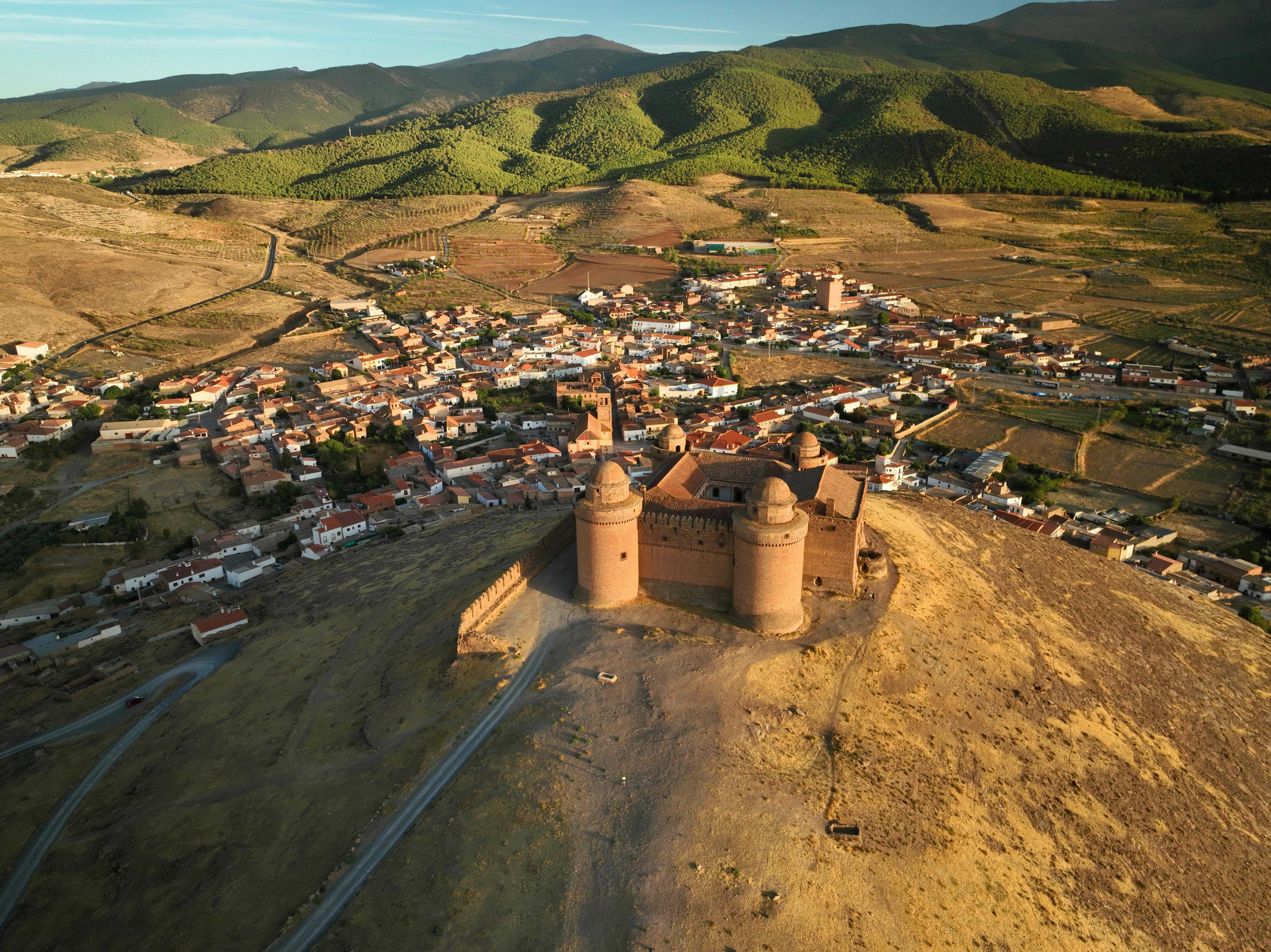

Calahorra
· ES

Calahorra

Calahorra, La Rioja, Spain

Calahorra, located in the picturesque region of La Rioja, Spain, is a charming town that offers a delightful mix of history, culture, and natural beauty. Steeped in rich historical significance, Calahorra boasts a fascin…

#Calahorra#La Rioja#Spain#historic town#Roman ruins
1/4

Top hotels & flights

Hand-picked stays and the best fares into Calahorra.

Top Hotels in Calahorra

Top Flights to Calahorra

Location videos

Real reels from travelers, plus longer watches to get the full picture.

From travelers

Practical info

The essentials for planning your time in Calahorra.

Currency
€ | EUR | Euro
Population
The approximate estimated total population of Calahorra, La Rioja, Spain is '24,000'.
Languages
Spanish, Spanish
Average weather
Calahorra
Jan
cold
10°1°
Feb
cold
12°2°
Mar
cloud
16°4°
Apr
rain
18°6°
May
sun
22°9°
Jun
sun
28°13°
Jul
hot
32°16°
Aug
hot
31°15°
Sep
sun
27°13°
Oct
cloud
20°9°
Nov
rain
14°4°
Dec
cold
10°2°

Local guide

What travelers love, what to watch for, and a deeper read on Calahorra.

What people love

Calahorra, located in the La Rioja region of Spain, is a charming town with a rich history and several attractions that make it a great destination for travelers. Some of the pros of traveling to Calahorra include:

  1. Historical sites: Calahorra boasts a wealth of historical sites, including the Cathedral of Santa María, which features a mix of architectural styles from Romanesque to Baroque. The town also has remnants of its Roman past, such as the Roman bridge and the Roman walls.

  2. Gastronomy: La Rioja is known for its excellent cuisine, particularly its wines. Calahorra is a great place to sample local dishes and wines, including the famous Rioja wine. The town also hosts a popular annual pepper festival, showcasing the region's culinary delights.

  3. Cultural events: Calahorra hosts various cultural events throughout the year, including music festivals, theater performances, and art exhibitions. These events provide visitors with an opportunity to immerse themselves in the local culture and traditions.

  4. Natural surroundings: The La Rioja region is known for its picturesque landscapes, vineyards, and mountains. Calahorra serves as a great base for exploring the natural beauty of the area, with opportunities for hiking, cycling, and outdoor activities.

  5. Local markets: Calahorra is home to vibrant markets where visitors can purchase fresh produce, local crafts, and other goods. The markets offer a glimpse into everyday life in the town and provide a chance to interact with locals.

Overall, traveling to Calahorra offers a unique blend of history, culture, gastronomy, and natural beauty, making it a rewarding destination for travelers seeking an authentic Spanish experience.

What to know

Calahorra, located in the La Rioja region of Spain, is a charming town with a rich history and beautiful architecture. However, like any destination, there are some potential cons to consider when traveling to Calahorra:

  1. Limited tourist infrastructure: Calahorra is not as popular of a tourist destination compared to other cities in Spain, which means that the town may have limited tourist infrastructure, such as fewer restaurants, hotels, and English-speaking services.

  2. Language barrier: While some locals in Calahorra may speak English, it is not as common as in more touristy areas of Spain. This may pose a challenge for travelers who do not speak Spanish, especially when trying to communicate or navigate the town.

  3. Limited public transportation: Calahorra is a relatively small town, and public transportation options within the town and to other nearby attractions may be limited. Renting a car or relying on taxis may be necessary for getting around.

  4. Seasonal limitations: Some attractions and businesses in Calahorra may have limited operating hours or be closed during certain times of the year, particularly in the off-peak tourist seasons. This could impact the availability of services and activities during your visit.

  5. Limited nightlife and entertainment options: Calahorra is a quiet town with a more relaxed atmosphere, so travelers looking for vibrant nightlife and a wide range of entertainment options may find the town lacking in this regard.

Overall, while Calahorra offers a unique and authentic Spanish experience, travelers should be aware of these potential cons when planning a visit to the town.

Calahorra is a city in La Rioja, Spain, with a rich history dating back to ancient times. Here is a detailed account of its history, significant events, historical figures, and important landmarks:

Ancient and Roman Period

  • Early Settlement: Calahorra was originally a Celtiberian settlement known as Calagurris, situated on the right bank of the Ebro River.
  • Roman Era: It became an important Roman city after being conquered by the Romans in the 2nd century BCE. The city was known as Calagurris Nassica Iulia and was granted the status of a municipium, allowing its inhabitants Roman citizenship.
  • Siege of Calagurris: One of the most notable events was the Siege of Calagurris in 72 BCE during the Sertorian War. The city supported the Roman general Quintus Sertorius against Pompey the Great. The city suffered a prolonged siege and was eventually taken by Pompeian forces.

Middle Ages

  • Visigothic and Moorish Control: After the fall of the Roman Empire, Calahorra was under Visigothic control and later fell to the Moors in the early 8th century.
  • Reconquista: Calahorra was reconquered by Christian forces in 1045 by King García Sánchez III of Navarre.

Renaissance and Modern Period

  • Economic Growth: During the Renaissance, Calahorra experienced economic growth due to its strategic location and agricultural output, particularly in the production of vegetables and fruit.
  • Religious Influence: The city became an important religious center, with the construction of several churches and monasteries.

Significant Figures

  • Saint Emeterius and Saint Celedonius: These are the patron saints of Calahorra, believed to be Roman soldiers martyred for their Christian faith in the 3rd century. Their relics are kept in the city.
  • Quintilian: The famous Roman rhetorician Marcus Fabius Quintilianus, known as Quintilian, is traditionally believed to have been born in Calahorra around 35 CE. He was a prominent teacher of rhetoric in Rome.

Landmarks

  • Calahorra Cathedral: The cathedral is a significant landmark, built between the 12th and 16th centuries, showcasing Gothic, Renaissance, and Baroque architectural styles. It is dedicated to Saint Emeterius and Saint Celedonius.
  • Roman Remains: The city has remnants of its Roman past, including parts of the ancient city walls and various artifacts displayed in local museums.
  • Church of Santiago: Another important religious site in the city, known for its architecture and historical significance.

Modern Era

  • Agricultural Hub: Today, Calahorra is known for its agriculture, particularly its production of vegetables, which are celebrated annually in the "Jornadas de las Verduras" festival.
  • Cultural Events: The city hosts various cultural and historical events, drawing visitors interested in its rich past and vibrant present.

Overall, Calahorra's history is marked by its strategic importance in ancient and medieval times, its religious significance, and its enduring cultural heritage.