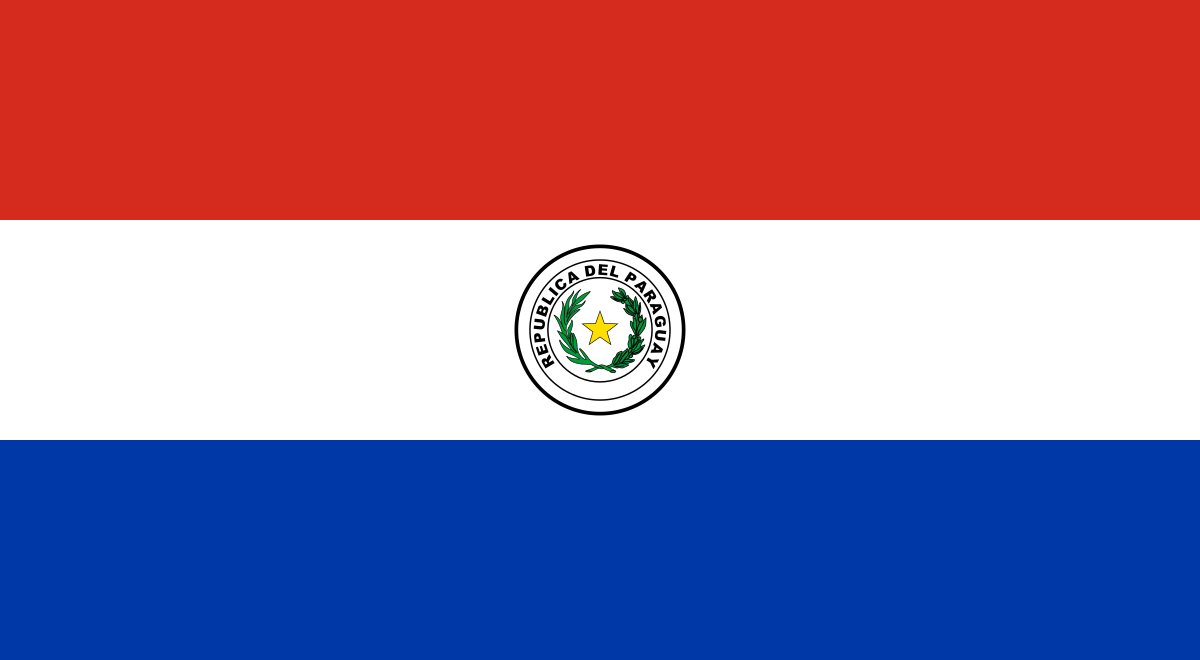
Caazapá Historic Center Tour
Discover the well-preserved architecture and historical landmarks in the heart of Caazapá.
Hand-picked stays and the best fares into Caazapá.
Tours, tickets and experiences travelers book most in Caazapá.
Discover the well-preserved architecture and historical landmarks in the heart of Caazapá.
Shop for traditional Paraguayan crafts, souvenirs, and local products in Caazapá's vibrant markets.
Hike through the beautiful trails and observe the rich biodiversity of Caazapá National Park.
Real reels from travelers, plus longer watches to get the full picture.
The essentials for planning your time in Caazapá.
What travelers love, what to watch for, and a deeper read on Caazapá.
Traveling to Caazapá in Paraguay offers several potential benefits and attractions for visitors interested in exploring this region. Here are some of the pros of visiting Caazapá:
Natural Beauty: Caazapá is known for its lush landscapes and natural beauty. The area is rich in biodiversity and offers opportunities for ecotourism and nature exploration. Visitors can enjoy activities such as hiking and bird watching in the surrounding forests and natural reserves.
Cultural Heritage: The region has a rich cultural history, with influences from indigenous Guaraní people as well as Spanish colonial heritage. Visitors can explore local traditions, crafts, and possibly engage with the community to learn about their way of life.
Caazapá National Park: This national park is a major attraction in the area, offering a chance to see diverse wildlife and enjoy the scenic beauty of Paraguay's interior. The park is home to various plant and animal species, making it a great destination for nature enthusiasts.
Festivals and Events: Depending on the time of year, you may have the opportunity to experience local festivals and cultural events. These events can offer insight into the traditions and communal spirit of the region.
Off-the-Beaten-Path Experience: Caazapá is not as heavily trafficked by tourists as some other destinations, offering a more authentic and less commercialized travel experience. It is ideal for travelers looking to explore less conventional destinations.
Friendly Locals: The people of Caazapá are known to be friendly and welcoming, which can enhance the travel experience as you interact with the local community.
While these points highlight some of the advantages of visiting Caazapá, it is always recommended to check current travel advisories and local conditions when planning a trip.
Information on the specific cons of traveling to Caazapá, Paraguay, is limited. However, general challenges and considerations for traveling to less urbanized or remote areas in Paraguay, such as Caazapá, might include the following:
Limited Infrastructure: Smaller towns and rural areas in Paraguay may have limited infrastructure, including roads, public transportation, and internet connectivity. This can make travel and communication more challenging.
Language Barrier: Spanish and Guarani are the official languages of Paraguay. In rural areas, Guarani is more commonly spoken, and English is not widely understood, which could pose a communication challenge for non-Spanish or non-Guarani speakers.
Healthcare Access: Access to healthcare facilities and services may be limited in more remote areas, which could be a concern in case of medical emergencies.
Limited Tourist Facilities: There may be fewer accommodations, restaurants, and tourist services compared to more popular destinations, which can affect comfort and convenience.
Weather Conditions: Depending on the time of year, weather conditions can be extreme, with hot summers and potential flooding during the rainy season, which may affect travel plans.
Cultural Differences: Cultural norms and practices might be different from what some travelers are accustomed to, requiring a level of adaptability and respect for local customs.
For the most up-to-date and specific information, it is advisable to consult travel resources, government travel advisories, or contact local tourism offices.


