






Byron Bay
· AU

Byron Bay

Byron Bay, New South Wales, Australia

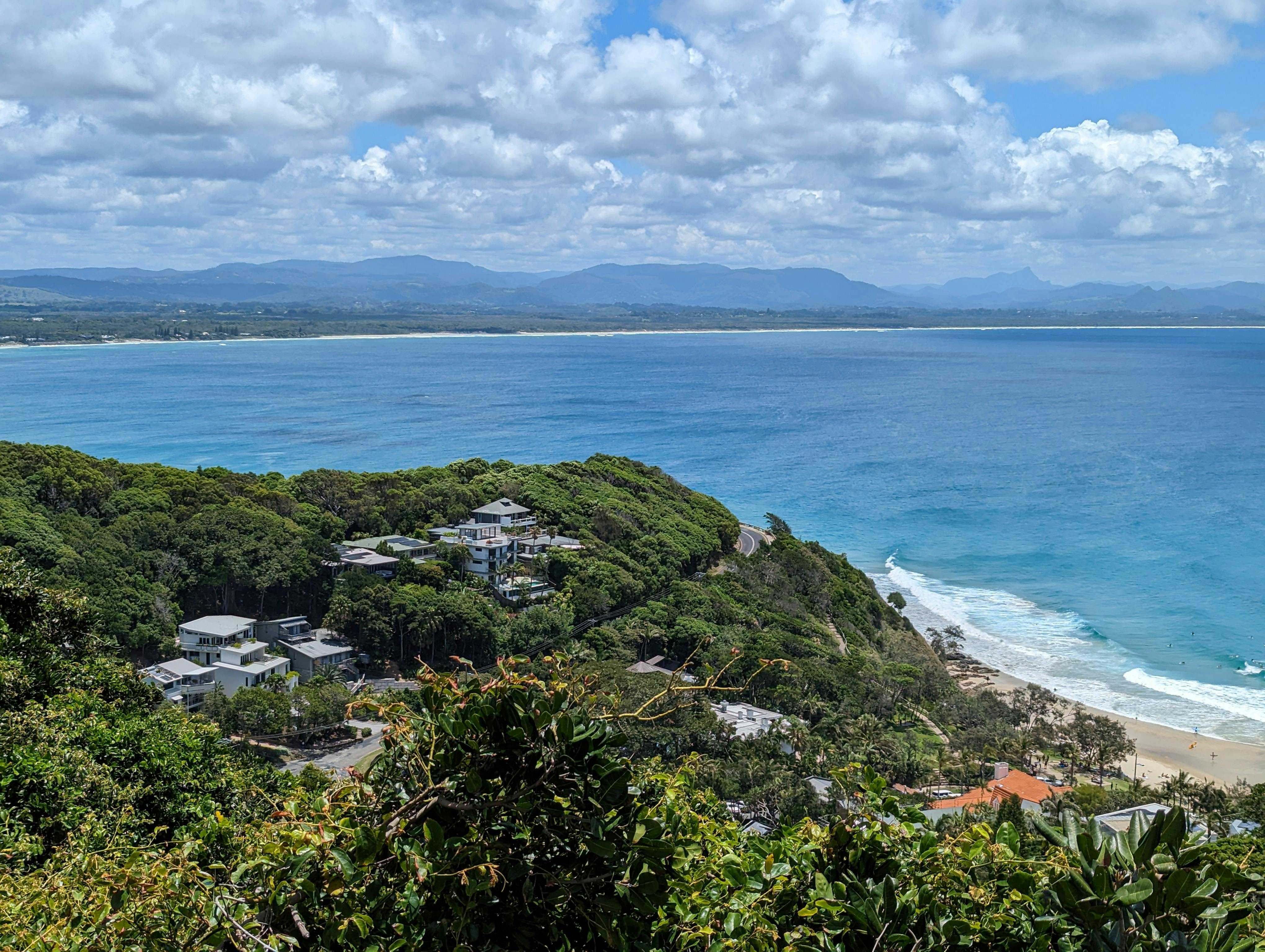
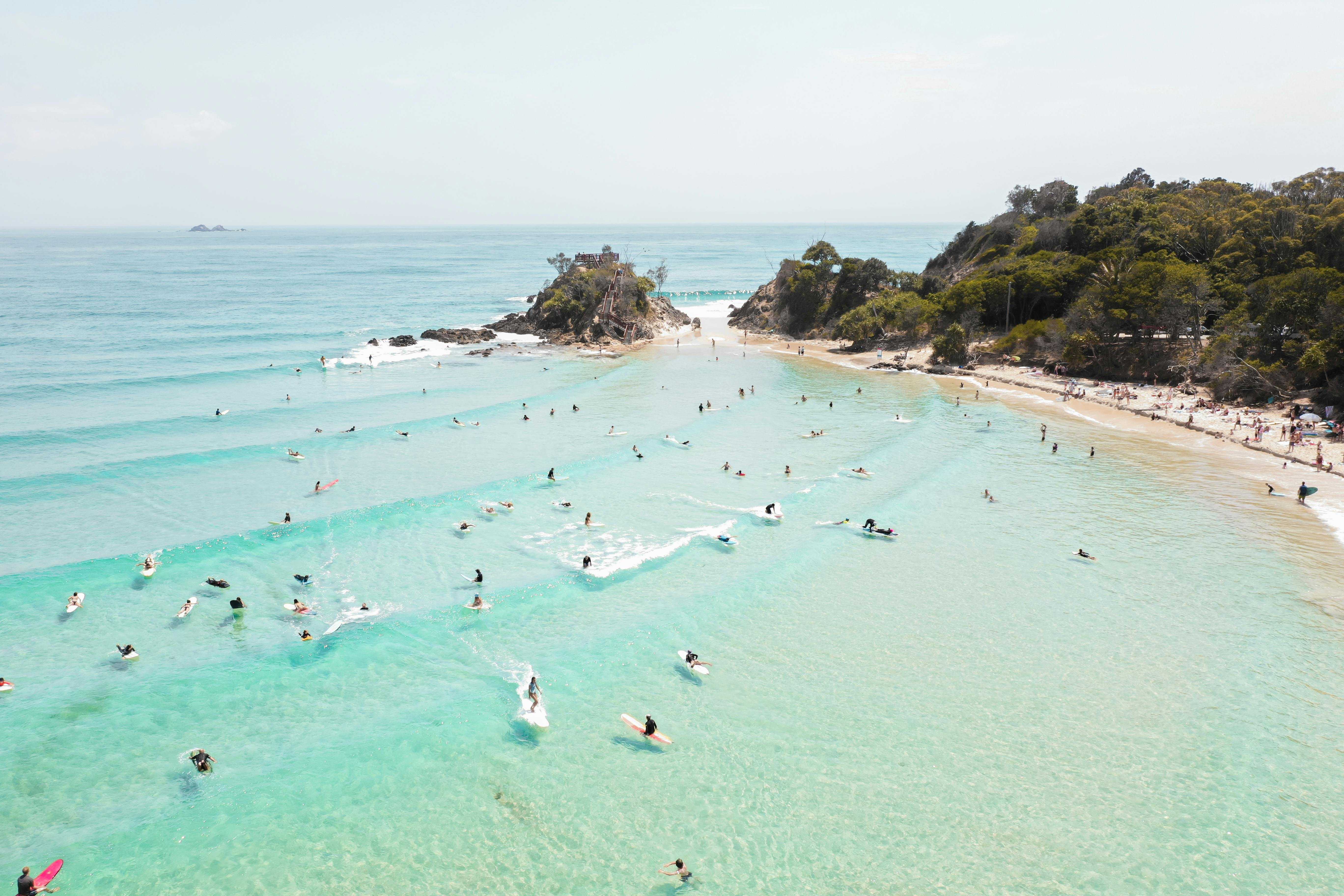
Byron Bay, located in New South Wales, Australia, is a coastal gem that effortlessly blends bohemian charm with natural beauty. This popular tourist destination is renowned for its pristine beaches, vibrant arts scene, a…

#beach town#surfing destination#hippie culture#tourist hotspot#coastal beauty
1/30

Top hotels & flights

Hand-picked stays and the best fares into Byron Bay.

Top Hotels in Byron Bay

Top Flights to Byron Bay

Practical info

The essentials for planning your time in Byron Bay.

Currency
$ | AUD | Australian Dollar
Population
Information not available.
Average weather
Byron Bay
Jan
sun
27°20°
Feb
sun
27°20°
Mar
rain
26°19°
Apr
rain
25°17°
May
cloud
23°14°
Jun
cloud
21°11°
Jul
clear
21°10°
Aug
clear
22°11°
Sep
sun
24°14°
Oct
sun
25°16°
Nov
sun
26°18°
Dec
sun
27°19°

Local guide

What travelers love, what to watch for, and a deeper read on Byron Bay.

What people love

Byron Bay, located in New South Wales, Australia, is a popular travel destination known for its stunning beaches, laid-back atmosphere, and vibrant arts and music scene. Here are some of the pros of traveling to Byron Bay:

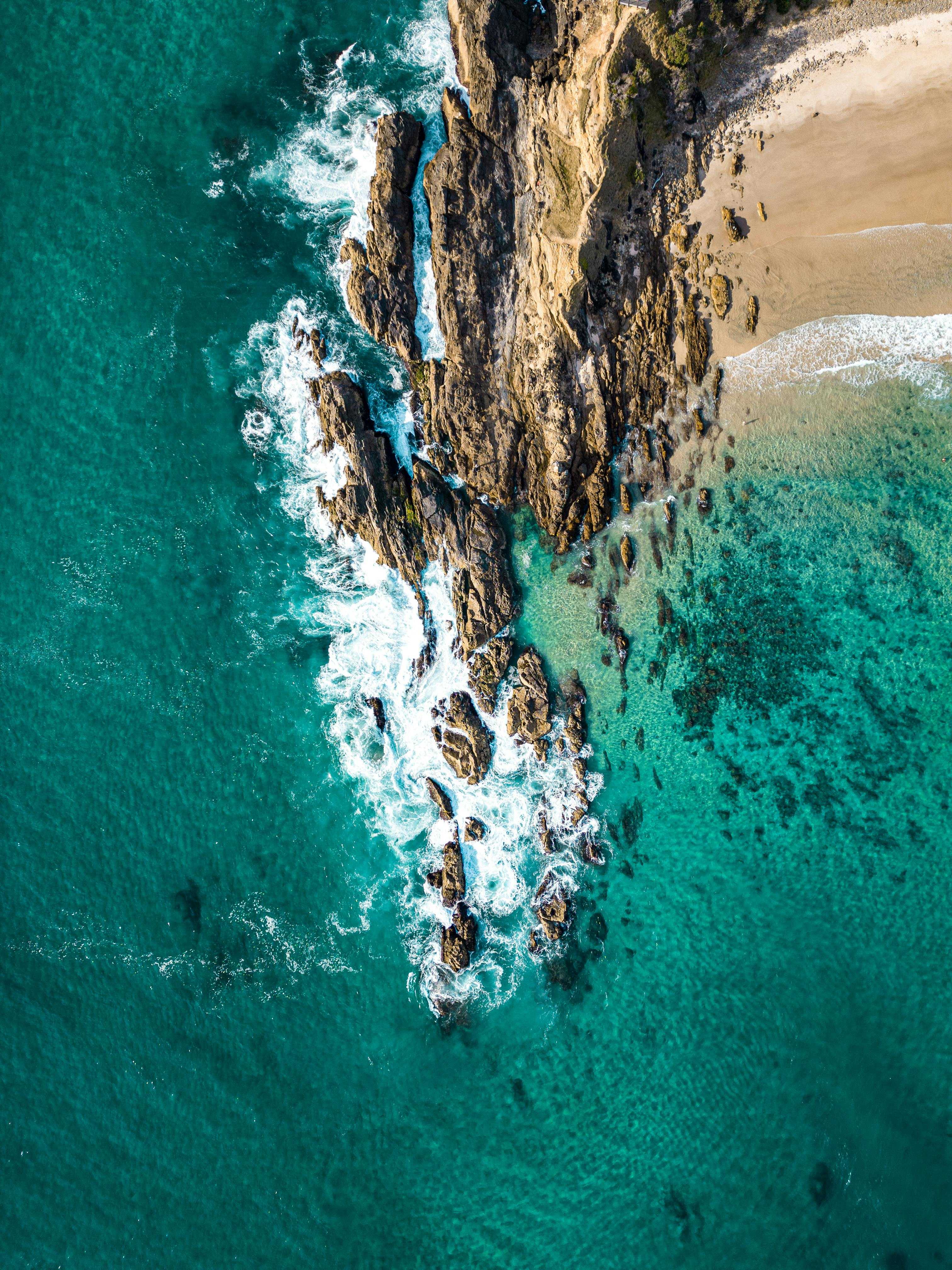
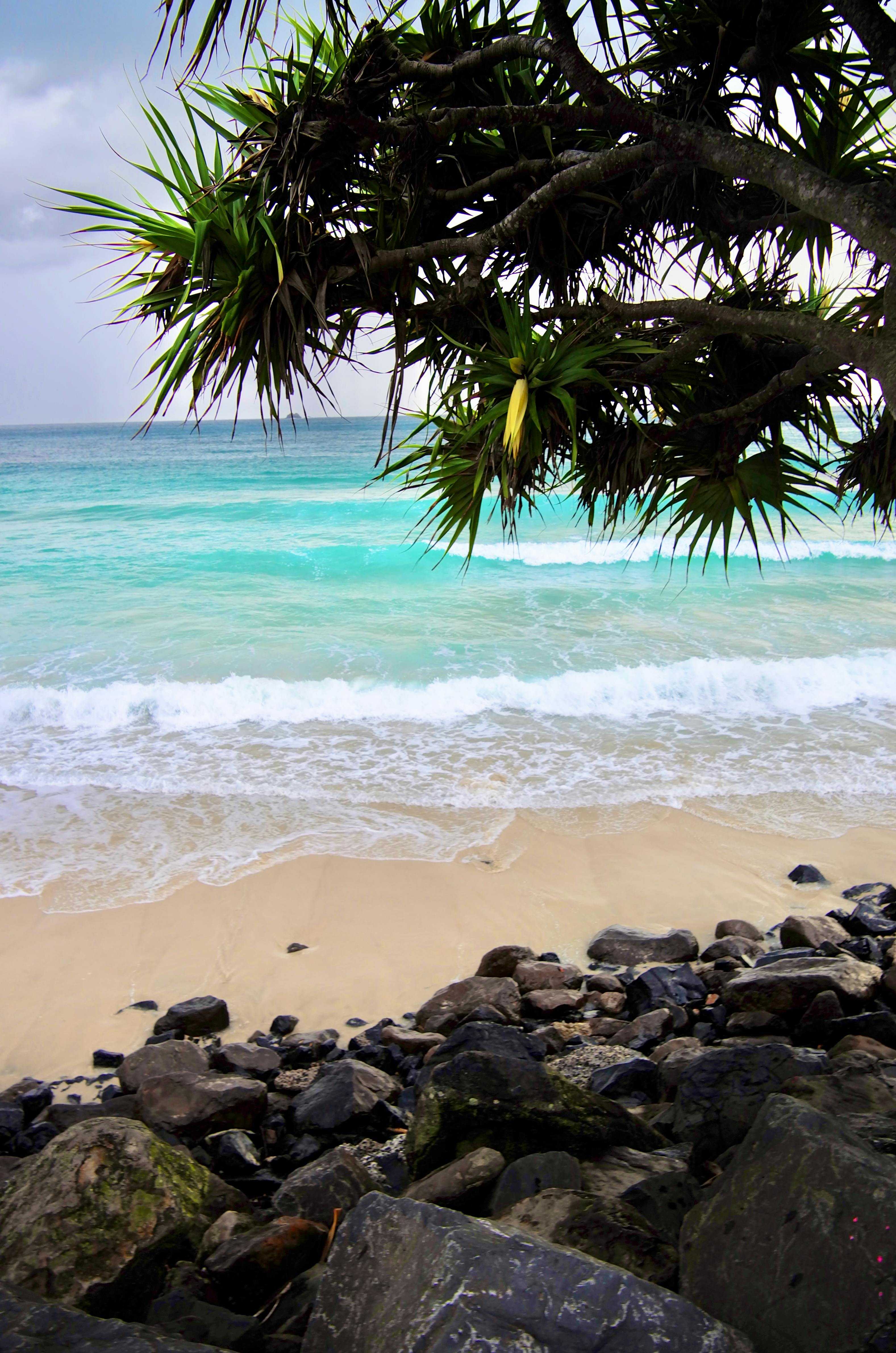
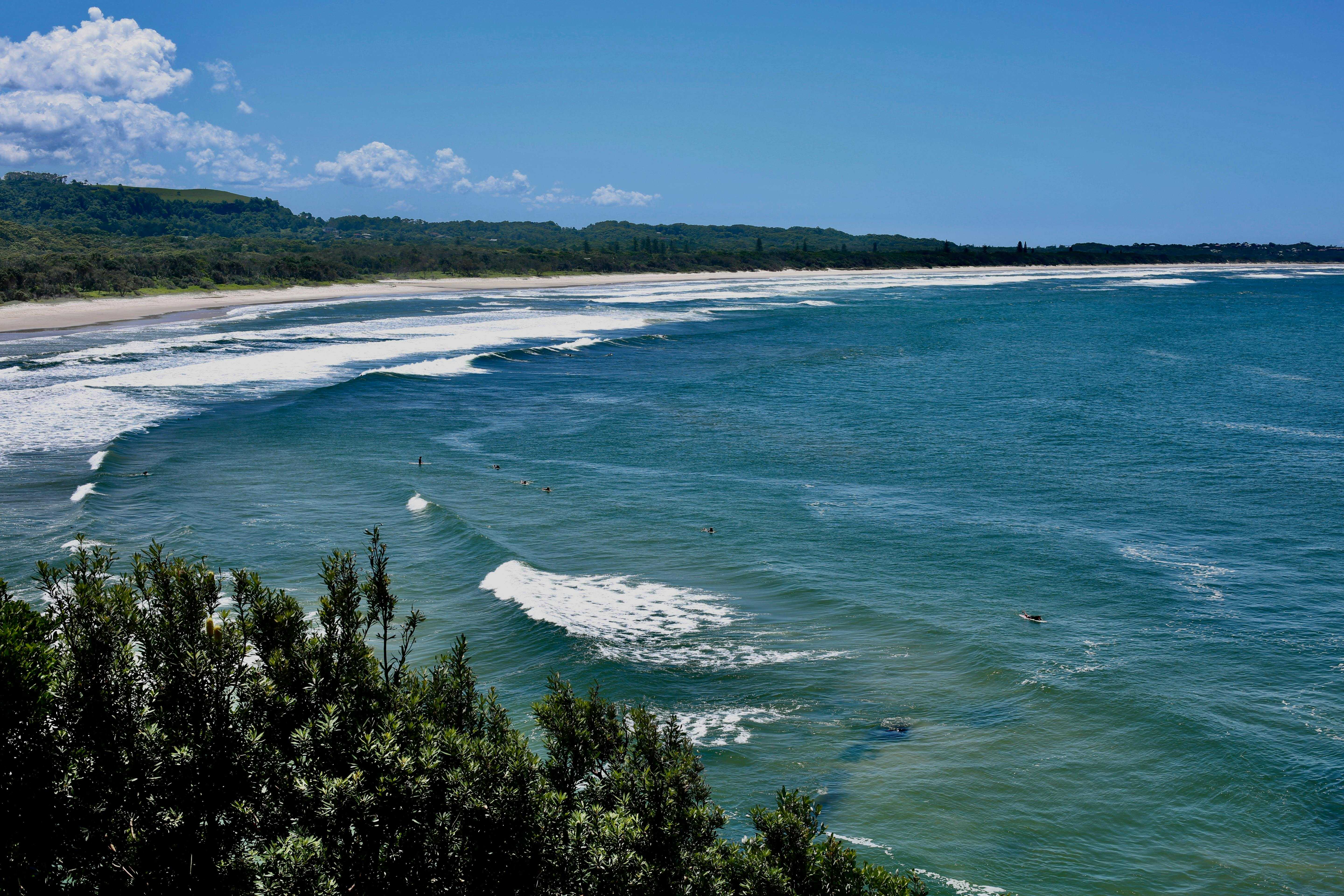
  1. Beautiful Beaches: Byron Bay is home to some of the most beautiful beaches in Australia, offering pristine white sands, clear blue waters, and excellent surfing conditions. Main Beach, Wategos Beach, and Tallow Beach are just a few of the popular spots where you can relax, swim, surf, or simply enjoy the stunning coastal views.

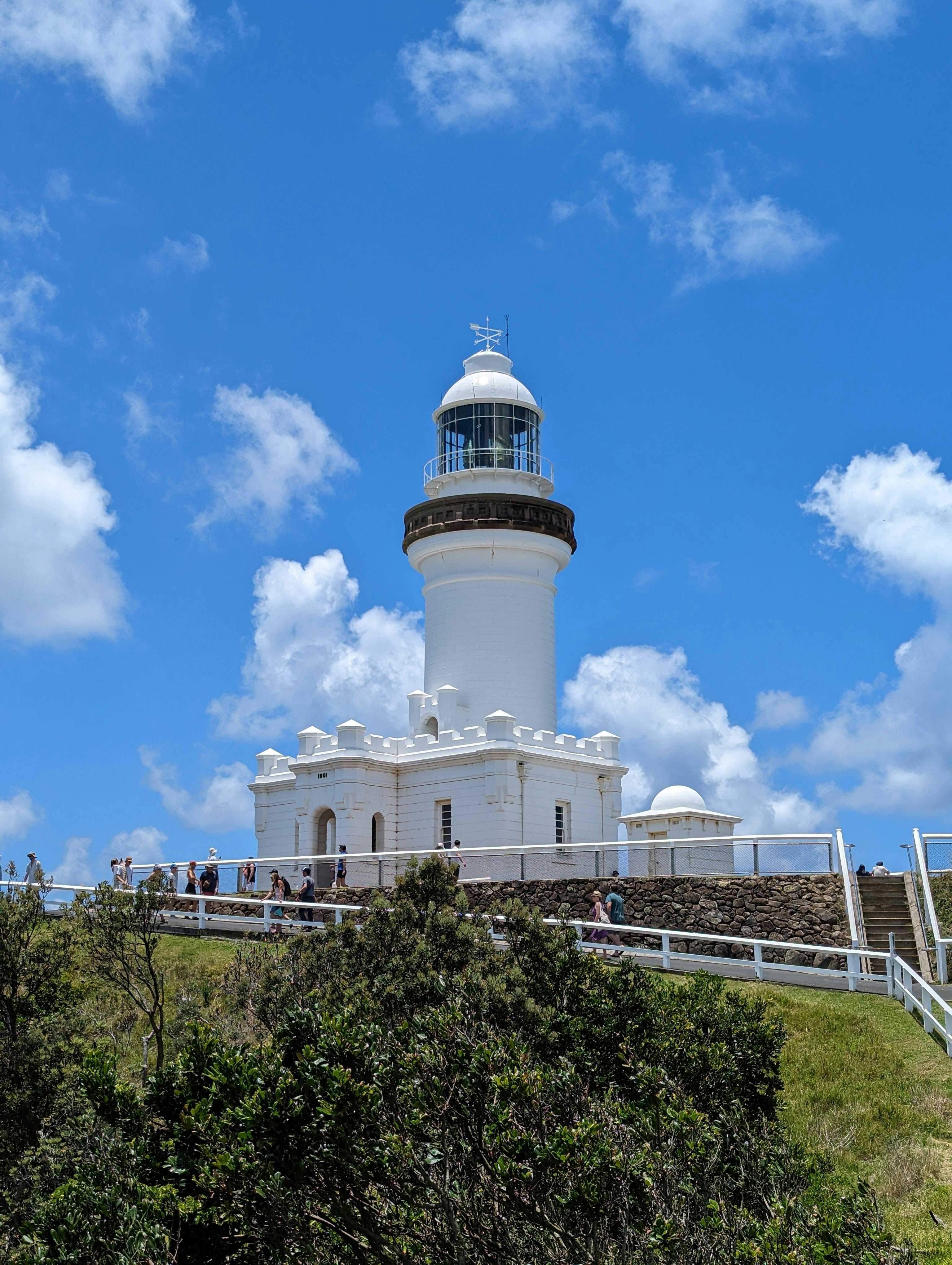
  2. Outdoor Activities: The natural beauty surrounding Byron Bay makes it a great destination for outdoor enthusiasts. You can go hiking in the nearby national parks, explore the Cape Byron Walking Track to the iconic Cape Byron Lighthouse, or even go whale watching during the migration season.

  3. Cultural and Artistic Hub: Byron Bay has a thriving arts and music scene, with numerous galleries, boutiques, and live music venues to explore. The town also hosts various festivals and events throughout the year, celebrating music, art, food, and wellness.

  4. Relaxed Atmosphere: Byron Bay is known for its laid-back and bohemian vibe, making it a perfect place to unwind and relax. Whether you're looking to rejuvenate with a yoga class, indulge in a spa treatment, or simply stroll through the town's eclectic shops and cafes, Byron Bay offers a tranquil escape from the hustle and bustle of city life.

  5. Local Cuisine: Byron Bay is a food lover's paradise, with an abundance of cafes, restaurants, and farmers' markets offering fresh, locally sourced produce and diverse culinary delights. You can sample delicious seafood, organic dishes, and international cuisines while soaking in the town's unique charm.

Overall, traveling to Byron Bay offers a perfect blend of natural beauty, cultural experiences, and relaxation, making it a popular destination for visitors seeking a memorable and enriching holiday experience.

What to know

Some potential cons of traveling to Byron Bay in New South Wales, Australia include:

  1. Crowds: Byron Bay has become a popular tourist destination, so it can get quite crowded, especially during peak seasons like school holidays or music festivals. This may lead to traffic congestion, longer wait times at popular attractions, and difficulty finding accommodation.

  2. High Cost: Due to its popularity, prices in Byron Bay can be higher compared to other destinations in Australia. Accommodation, dining, and activities may be more expensive, which could impact your travel budget.

  3. Environmental Impact: The influx of tourists to Byron Bay has put pressure on the local environment and infrastructure. Issues such as waste management, water conservation, and protection of natural resources have become more prominent concerns.

  4. Weather: Byron Bay experiences a subtropical climate, which means it can be hot and humid in the summer months, leading to discomfort for some travelers. Additionally, the region is prone to occasional severe weather events like storms and heavy rainfall.

  5. Distance: Byron Bay is located in the far northeast corner of New South Wales, making it quite a distance from major cities like Sydney or Melbourne. Getting there may require a longer journey, whether by car, bus, or plane.

Overall, while Byron Bay is a beautiful and unique destination, it's important to consider these potential drawbacks when planning your trip.

Byron Bay, located in New South Wales, Australia, has a rich and varied history that reflects its cultural and natural significance. Here is a detailed overview:

Early History

  • Indigenous Heritage: The area now known as Byron Bay has been inhabited by the Arakwal people of the Bundjalung nation for thousands of years. They lived sustainably off the land and sea, with a deep spiritual connection to the area.
  • Traditional Name: The Indigenous name for the area is "Cavanbah," meaning "meeting place."

European Exploration and Settlement

  • 1770: Captain James Cook, the British explorer, named Cape Byron after John Byron, a circumnavigator and grandfather of the poet Lord Byron. Cook's journey along the east coast of Australia was one of the first European contacts with the area.
  • 1800s: The bay began to see more European visitors, including cedar-getters and pastoralists.

Development and Industry

  • 1880s: Byron Bay was formally established as a town. The area developed as a significant port and was known for its timber industry, particularly red cedar logging.
  • 1894: The railway reached Byron Bay, further boosting its development as a shipping and industrial hub.
  • Whaling Station: Between the 1950s and 1960s, Byron Bay was home to a whaling station, which was part of the local economy until whaling was banned in Australia.

Cultural and Economic Changes

  • 1960s-1970s: Byron Bay began to attract alternative lifestyle seekers and became known for its counter-culture, drawing artists, musicians, and surfers.
  • Tourism Boom: The natural beauty of the area, including its beaches and hinterlands, led to a growing tourism industry. Byron Bay transformed into a popular holiday destination.
  • Environmental Awareness: The area has been at the forefront of environmental conservation efforts, with a strong community focus on sustainability and preserving its natural beauty.

Significant Events

  • 1973: The Aquarius Festival held in nearby Nimbin brought national attention to the Northern Rivers region, including Byron Bay, as a center for alternative culture.
  • 1990s: Byron Bay gained international fame as a major tourist destination, attracting visitors from around the world.

Important Landmarks

  • Cape Byron Lighthouse: Built in 1901, the lighthouse is one of the most iconic landmarks in Byron Bay. It is located at the easternmost point of the Australian mainland and offers panoramic views of the coastline.
  • The Pass: A famous surf break and lookout point that is popular with both locals and tourists.
  • Wategos Beach: Known for its beauty and often frequented by celebrities and visitors seeking a more secluded beach experience.
  • Arakwal National Park: Co-managed with the Arakwal people, this park is integral to preserving the cultural and environmental heritage of the region.

Today, Byron Bay is renowned for its laid-back atmosphere, vibrant arts and music scene, and commitment to environmental sustainability. It maintains a balance between its popularity as a tourist hotspot and its cultural and natural heritage.