

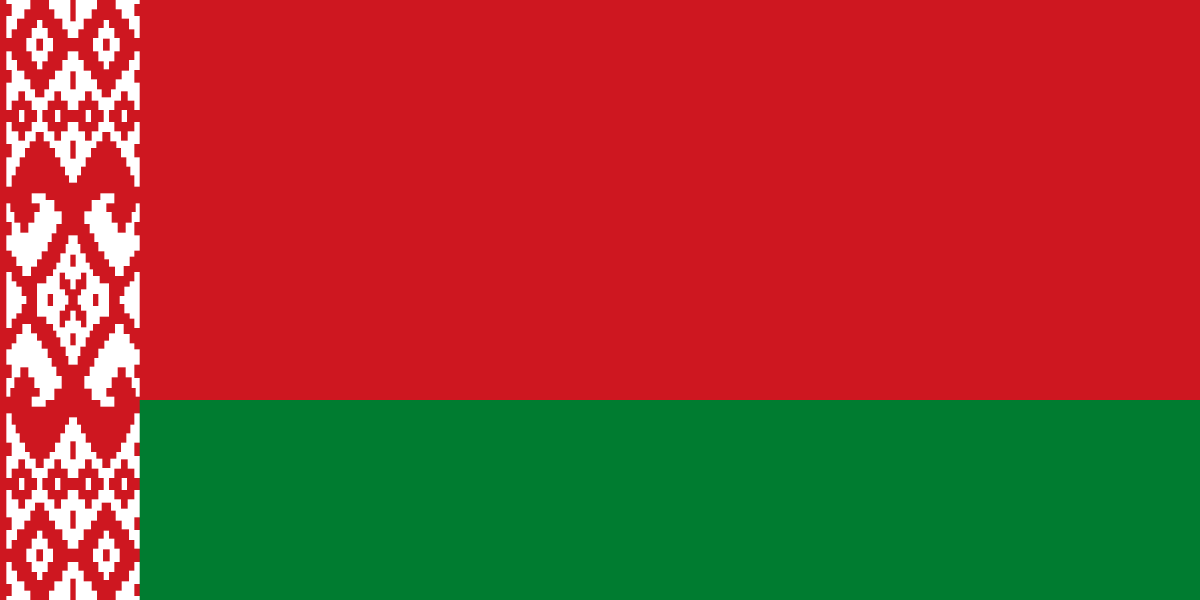
Explore the Byaroza Monastery
Visit the historic Byaroza Monastery, a site with rich history and beautiful architecture.
Hand-picked stays and the best fares into Byaroza.
Tours, tickets and experiences travelers book most in Byaroza.
Visit the historic Byaroza Monastery, a site with rich history and beautiful architecture.
Experience the local culture and buy fresh produce at Byaroza's local market.
Enjoy a peaceful walk through Byaroza Park, a beautiful green space in the heart of Byaroza.
Real reels from travelers, plus longer watches to get the full picture.
The essentials for planning your time in Byaroza.
What travelers love, what to watch for, and a deeper read on Byaroza.
Byaroza, also known as Bereza, is a town in the Brest Region of Belarus. Here are some potential advantages or pros of traveling to Byaroza:
Cultural and Historical Significance: Byaroza is home to the ruins of the Baroque-style Byaroza Monastery, originally built in the 17th century. This historical site can offer insights into the region's architectural history and religious heritage.
Local Experience: Visiting Byaroza provides an opportunity to experience the local Belarusian culture and lifestyle, which can be quite different from more tourist-heavy destinations.
Nature and Scenery: The town and its surrounding areas offer picturesque landscapes typical of the Brest Region, with opportunities for outdoor activities and enjoying nature.
Authentic Belarusian Cuisine: Visitors can enjoy traditional Belarusian dishes in local eateries, offering a taste of the country's culinary traditions.
Less Crowded: Byaroza is not a major tourist hub, which means you can explore the town without the bustling crowds that are often found in more popular destinations.
Hospitality: Belarusian people are known for their hospitality, and visitors may find the local population welcoming and eager to share their customs and traditions.
Economic Travel: Traveling in Belarus can be more affordable compared to Western Europe, which makes Byaroza an attractive destination for budget-conscious travelers.
Strategic Location: Byaroza's location in the Brest Region makes it a good starting point for exploring other parts of southwestern Belarus, including the nearby city of Brest and the Brest Fortress, a significant World War II site.
These points highlight some of the potential benefits of visiting Byaroza, though individual experiences may vary based on personal interests and travel preferences.
Traveling to Byaroza, located in the Brest Region of Belarus, may present several potential downsides. Here are some considerations:
Political Climate and Safety Concerns: Belarus has experienced political unrest and demonstrations, particularly since the disputed presidential election in 2020. Travelers should be aware of the current political situation and potential risks, such as protests or government crackdowns.
Visa Requirements: Belarus has specific entry requirements, and depending on your nationality, you may need a visa to enter the country. The process can be time-consuming and may require planning in advance.
Language Barrier: The primary languages spoken in Belarus are Belarusian and Russian. English may not be widely understood, especially in smaller towns like Byaroza, which could pose challenges for travelers who do not speak these languages.
Limited Tourist Infrastructure: Byaroza is not a major tourist destination, which means there may be limited infrastructure for travelers, such as hotels, restaurants, and other amenities. This could make the stay less comfortable compared to more tourist-friendly locations.
Transportation: Public transportation options might be limited, and road conditions can vary. This could make getting around more difficult, especially for those unfamiliar with the region.
Currency and Payment Methods: While the Belarusian ruble is the currency used, access to ATMs and the acceptance of credit cards may not be as prevalent in smaller towns, potentially requiring travelers to carry cash.
Internet Connectivity: Internet access might be slow or unreliable, affecting communication and access to online resources.
Cultural Differences: Differences in cultural norms and practices could also pose challenges, particularly for travelers unfamiliar with Eastern European cultures.
Travelers should consider these factors and conduct thorough research before planning a trip to Byaroza or any other location in Belarus. Additionally, checking travel advisories from your country’s government can provide important safety information.


