
Burton upon Trent
· GB

Burton upon Trent

Burton upon Trent, Staffordshire, United Kingdom

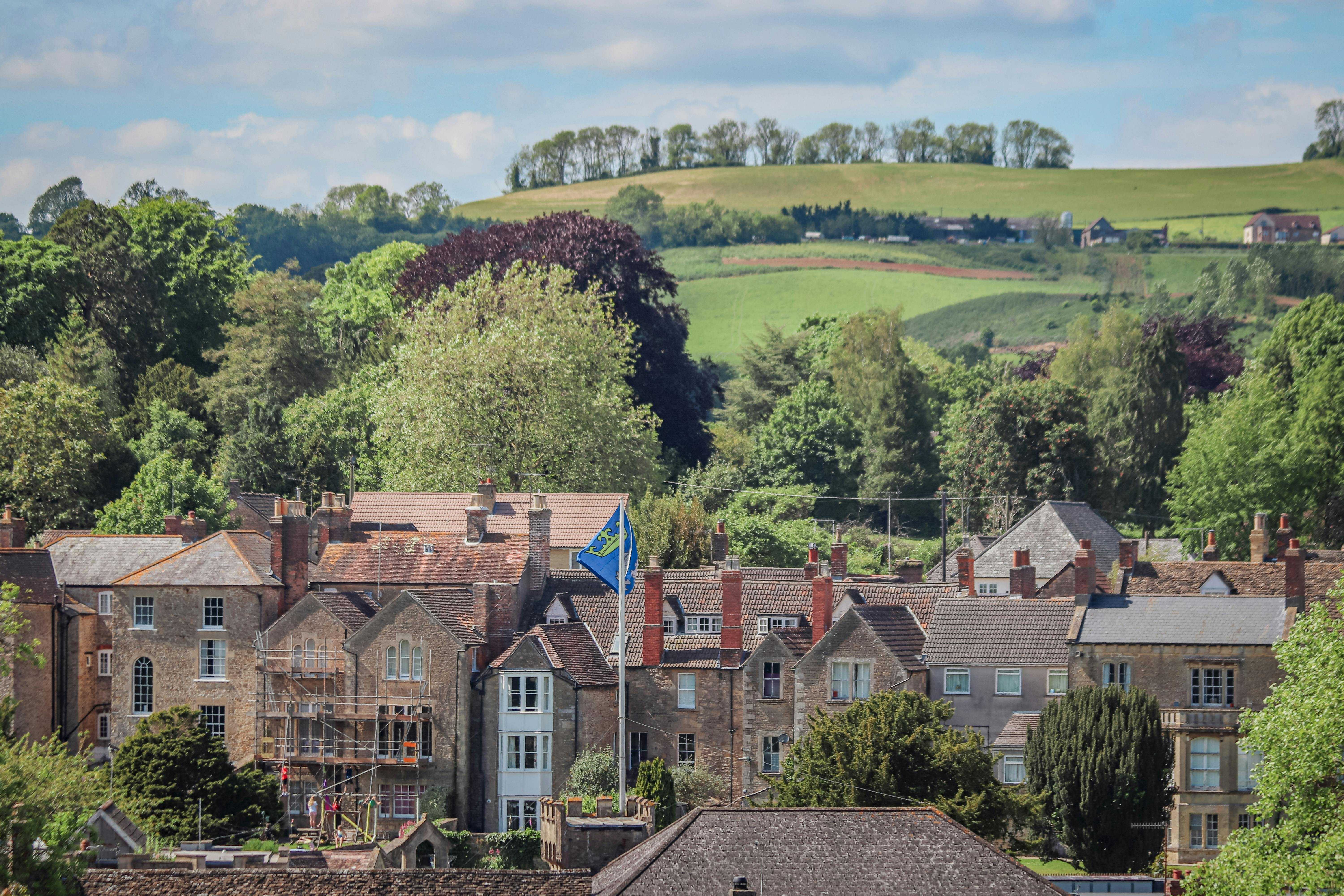
Dive into the Heart of British Brewing in Burton upon Trent Nestled on the banks of the River Trent, Burton upon Trent, or simply Burton as the locals call it, is a charming Staffordshire town with a history as rich and …

#Burton upon Trent#Staffordshire#United Kingdom#Historic town#Brewing heritage
1/3

Top hotels & flights

Hand-picked stays and the best fares into Burton upon Trent.

Top Hotels in Burton upon Trent

Top Flights to Burton upon Trent

Location videos

Real reels from travelers, plus longer watches to get the full picture.

From travelers

Practical info

The essentials for planning your time in Burton upon Trent.

Currency
£ | GBP | Pound Sterling
Population
The approximate estimated total population of Burton upon Trent is around 72,000.
Languages
English, English
Average weather
Burton upon Trent
Jan
cold
6°1°
Feb
cold
7°1°
Mar
cloud
10°2°
Apr
rain
13°4°
May
cloud
17°7°
Jun
sun
20°11°
Jul
sun
22°13°
Aug
sun
21°13°
Sep
cloud
18°10°
Oct
rain
14°7°
Nov
cloud
10°4°
Dec
cold
7°2°

Local guide

What travelers love, what to watch for, and a deeper read on Burton upon Trent.

What people love

Burton upon Trent, located in Staffordshire, United Kingdom, offers several attractions and activities that make it a great destination for travelers. Here are some of the pros of traveling to Burton upon Trent:

  1. Brewing Heritage: Burton upon Trent is famous for its brewing heritage and is known as the brewing capital of the UK. Visitors can explore historic breweries such as the National Brewery Centre and learn about the town's beer-making history.

  2. Historic Architecture: The town is home to beautiful historic architecture, including the St. Modwen's Church, the Burton Town Hall, and the Coors Visitor Centre & Museum of Brewing. Architecture enthusiasts will enjoy exploring the town's unique buildings.

  3. Outdoor Activities: Burton upon Trent is surrounded by picturesque countryside, offering opportunities for outdoor activities such as hiking, cycling, and boating along the River Trent. The town is also close to the National Forest, a great place for nature lovers.

  4. Shopping and Dining: The town center features a variety of shops, restaurants, and cafes where visitors can indulge in shopping and dining experiences. The town's market offers local produce and goods for those looking to experience the local culture.

  5. Central Location: Burton upon Trent is well-connected to major cities such as Birmingham and Derby, making it a convenient base for exploring the surrounding areas in the Midlands region of England.

Overall, traveling to Burton upon Trent can provide a unique cultural experience, opportunities for outdoor adventures, and a chance to explore the town's rich brewing history.

What to know

When considering a visit to Burton upon Trent in Staffordshire, UK, it's important to weigh potential drawbacks along with the positives. Here are some potential cons of traveling to Burton upon Trent:

  1. Limited Major Tourist Attractions: While Burton upon Trent is known for its brewing heritage, it may not have as many major tourist attractions or cultural landmarks compared to larger cities or more tourist-centric destinations.

  2. Weather: Like much of the UK, the weather can be unpredictable, with frequent rain and overcast skies, particularly outside of the summer months. This might affect outdoor plans.

  3. Transport Links: While Burton upon Trent is accessible by train and road, it might not have the same level of connectivity as larger cities. Limited direct transport options might make it less convenient for those without a car.

  4. Nightlife and Entertainment: The nightlife and entertainment options might be more limited compared to larger cities like Birmingham or Manchester. Visitors looking for a vibrant nightlife scene may find fewer options.

  5. Shopping and Dining Options: Although there are local shops and restaurants, the variety might not be as extensive or diverse as in larger urban areas. Some travelers may find fewer options for high-end or international cuisine.

  6. Crowds during Events: Burton upon Trent hosts various events and festivals, which can attract large crowds. While this can be part of the charm, it can also lead to congestion and limited availability of accommodations during peak times.

  7. Industrial Character: Burton upon Trent's history as a brewing town means it has a somewhat industrial character, which might not appeal to everyone looking for picturesque or rural English landscapes.

These factors can vary in importance depending on individual preferences and travel priorities. If these cons are not significant for your travel plans, Burton upon Trent can still offer a unique experience with its rich brewing history and local culture.

Burton upon Trent, commonly known as Burton, is a market town in Staffordshire, England. It is renowned for its brewing industry and has a rich history that spans several centuries.

Early History:

  • Origins: Burton upon Trent's history dates back to at least the early medieval period. The town's name is thought to have derived from "Burh-tun," meaning "fortified farm" or "settlement."
  • Burton Abbey: The foundation of Burton Abbey in the 7th or 8th century by Saint Modwen is a pivotal event in the town's history. It was re-established in the 11th century by Wulfric Spot, a nobleman, and played a central role in the town's development.

Medieval Period:

  • Market Town: By the 12th century, Burton had developed into a significant market town. Its location on the River Trent facilitated trade and transport.
  • Religious Influence: The abbey was a major religious institution until the Dissolution of the Monasteries in the 16th century under Henry VIII, which led to its closure and the redistribution of its lands.

Brewing Industry:

  • Rise of Brewing: Burton's modern fame stems largely from its brewing industry, which began to expand significantly in the 18th and 19th centuries. The town's water, rich in gypsum, is ideal for brewing beer, particularly pale ales.
  • Notable Breweries: Brewers such as Bass, Ind Coope, and Marston’s were established during this period, turning Burton into a global brewing powerhouse. By the late 19th century, Burton was producing a quarter of all beer consumed in Britain.

Industrial Revolution:

  • Growth and Expansion: The Industrial Revolution brought further growth to Burton, with the expansion of the brewing industry leading to increased employment and urban development.
  • Transportation: The construction of the Trent and Mersey Canal in the 1770s and the arrival of the railways in the 19th century further boosted Burton's economy by facilitating the import of raw materials and the export of beer.

20th Century to Present:

  • World Wars: During both World Wars, Burton's breweries adapted to the changing economic demands, although the industry faced challenges due to rationing and changing social habits.
  • Post-war Decline: The late 20th century saw consolidation in the brewing industry and the closure of some historic breweries. However, the town has maintained its brewing heritage, with several smaller breweries continuing to operate.
  • Regeneration: In recent years, efforts have been made to regenerate Burton through investments in infrastructure and cultural projects.

Landmarks:

  • St. Modwen’s Church: Located on the site of the former Burton Abbey, this church is a key historical site.
  • The National Brewery Centre: Celebrating Burton's beer heritage, the museum explores the history of brewing in the town.
  • Burton Bridge: A historic bridge over the River Trent, important for its role in trade and transport.
  • Claymills Victorian Pumping Station: A restored Victorian steam-powered sewage pumping station, reflecting Burton's industrial history.

Notable Figures:

  • Michael Bass, 1st Baron Burton: A prominent brewer and politician who significantly contributed to the town's development.
  • William Worthington: Founder of Worthington Brewery, one of Burton's key historic breweries.

Burton upon Trent's rich history is deeply intertwined with its brewing industry, and the town remains a key cultural and economic hub in Staffordshire.