
Burgenland
· AT

Burgenland

Burgenland, Austria

Burgenland, located in eastern Austria, is a hidden gem waiting to be explored by travelers seeking a unique and authentic experience. This picturesque region is characterized by its stunning landscapes, rich cultural he…

#wine region#countryside#vineyards#Lake Neusiedl#Austrian culture
1/12

Top hotels & flights

Hand-picked stays and the best fares into Burgenland.

Top Hotels in Burgenland

Top Flights to Burgenland

Location videos

Real reels from travelers, plus longer watches to get the full picture.

From travelers
Watch & explore

Practical info

The essentials for planning your time in Burgenland.

Currency
€ | EUR | Euro
Population
The approximate estimated total population of Burgenland, Austria is '0.3 million'.
Languages
German, Croatian, Hungarian

Local guide

What travelers love, what to watch for, and a deeper read on Burgenland.

What people love

Burgenland, located in eastern Austria, offers a variety of attractions and experiences for travelers. Some of the pros of traveling to Burgenland include:

  1. Wine region: Burgenland is known for its wine production, particularly its red wines such as Blaufränkisch and Zweigelt. Wine enthusiasts can enjoy wine tastings at numerous vineyards and wineries throughout the region.

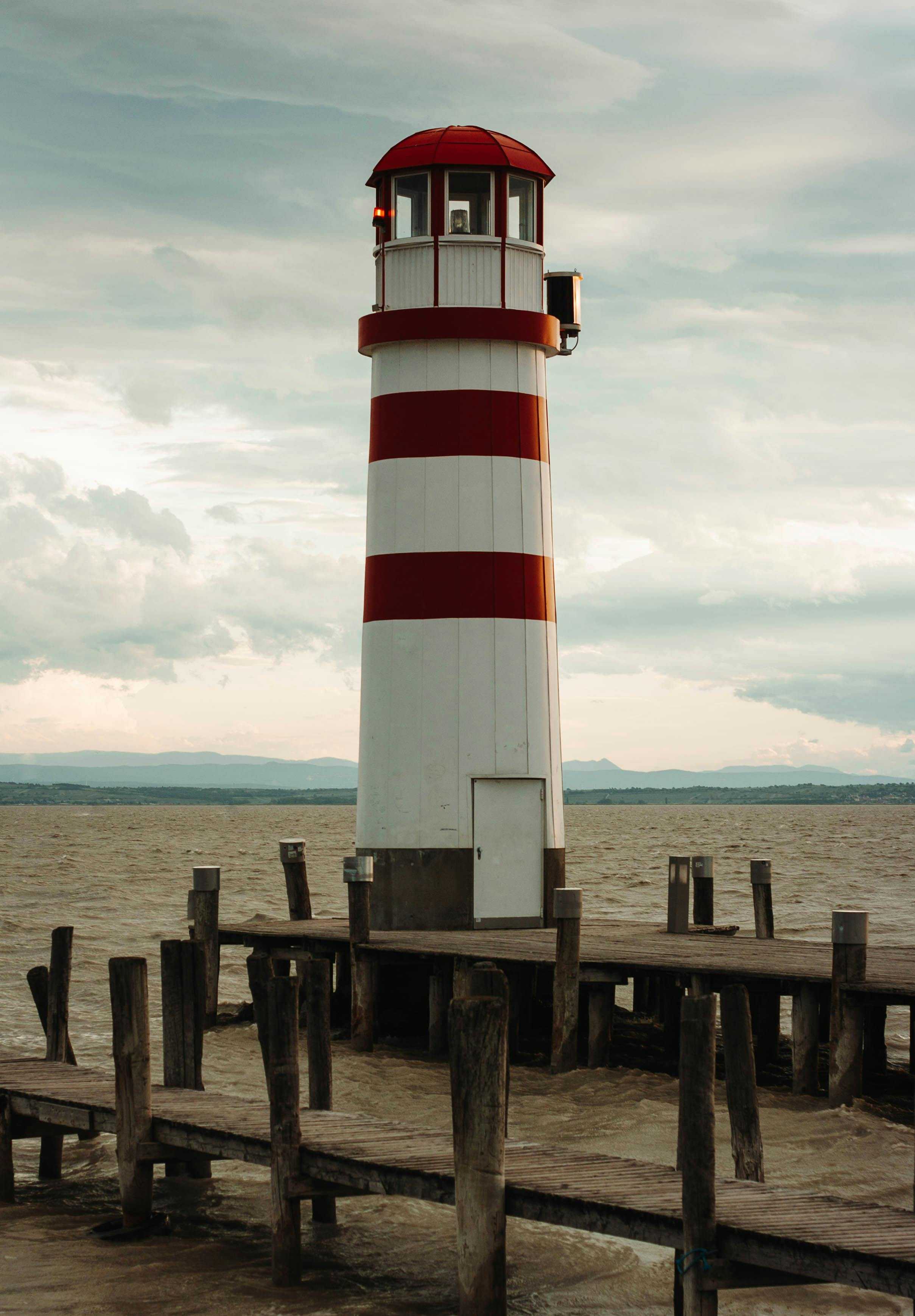
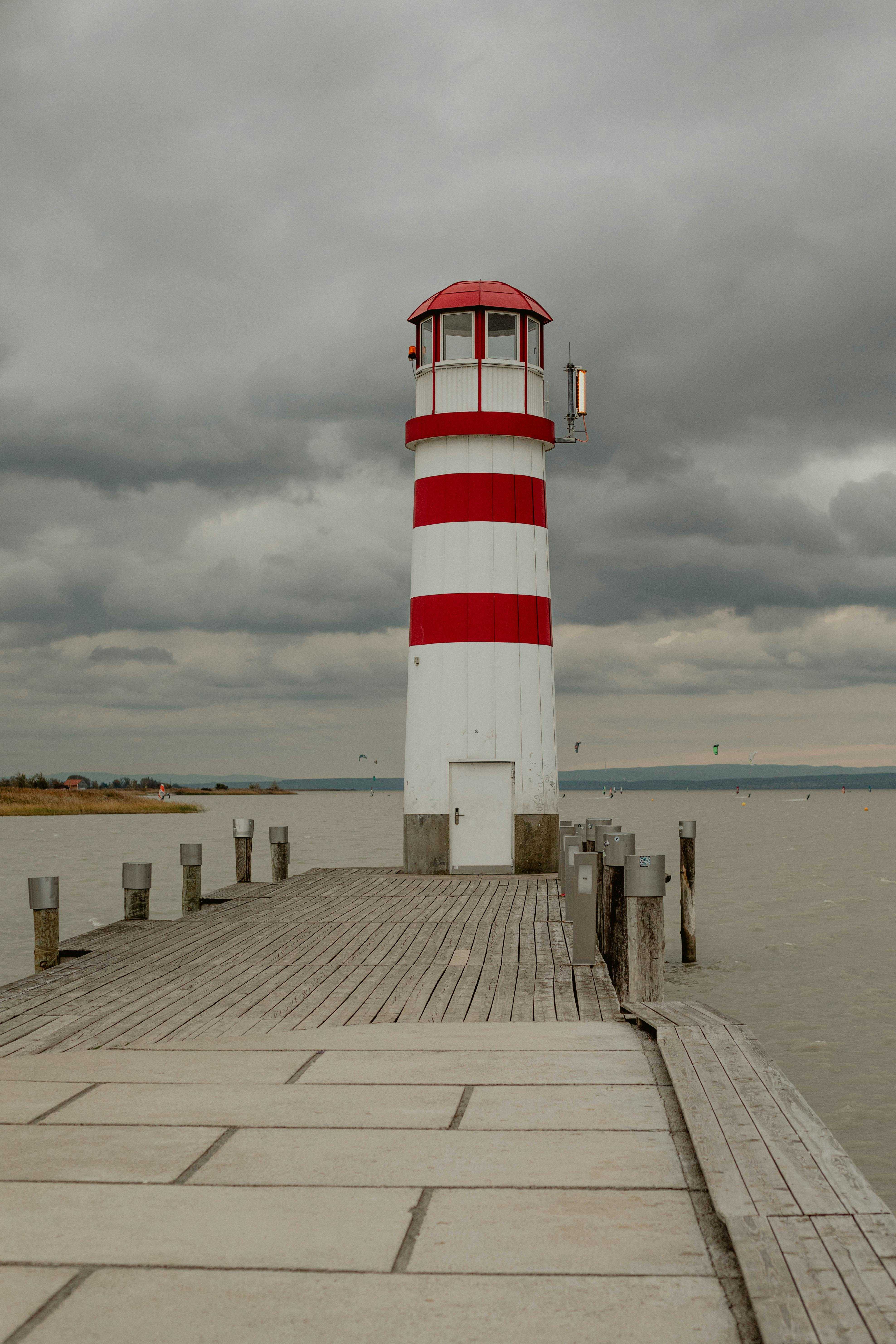
  2. Lake Neusiedl: This shallow steppe lake, shared with Hungary, is the largest lake in Austria and a UNESCO World Heritage Site. Visitors can enjoy water sports, birdwatching, and cycling around the lake.

  3. Cycling and hiking: Burgenland offers a network of well-maintained cycling and hiking trails, perfect for outdoor enthusiasts looking to explore the region's scenic landscapes, vineyards, and charming villages.

  4. Thermal spas: Burgenland is home to several thermal spa resorts, offering relaxation and wellness treatments in natural thermal waters. Visitors can unwind and rejuvenate at these spa facilities.

  5. Castles and historic sites: The region boasts a rich history with numerous castles, palaces, and historic sites to explore, such as the Esterházy Palace in Eisenstadt and the Forchtenstein Castle.

Overall, traveling to Burgenland offers a unique blend of wine tourism, outdoor activities, wellness experiences, and cultural heritage, making it a rewarding destination for travelers seeking a diverse and immersive travel experience.

What to know

Burgenland, located in eastern Austria, is a beautiful region known for its vineyards, castles, and natural landscapes. However, like any travel destination, there are some potential cons to consider when visiting Burgenland:

  1. Limited public transportation: Burgenland is a more rural region of Austria, so public transportation options may be limited compared to larger cities. Renting a car may be necessary to explore the area fully.

  2. Seasonal weather: Burgenland experiences all four seasons, with hot summers and cold winters. Depending on the time of year you visit, you may encounter extreme temperatures or inclement weather.

  3. Limited nightlife: If you are looking for a bustling nightlife scene, you may find Burgenland to be quieter compared to larger cities like Vienna. The region is more known for its relaxed atmosphere and outdoor activities.

  4. Language barrier: While many locals in Burgenland speak English, you may encounter some language barriers, especially in more rural areas. It can be helpful to learn some basic German phrases before your trip.

  5. Limited tourist infrastructure: Burgenland is a lesser-known destination compared to other parts of Austria, so you may find that tourist infrastructure, such as accommodations and restaurants, is not as developed in some areas.

Overall, while Burgenland offers a unique and charming experience for travelers, it's essential to consider these potential cons when planning your trip to ensure a smooth and enjoyable visit.

Burgenland is the easternmost and least populous state of Austria, bordered by Hungary to the east, Slovakia to the north, and Slovenia to the south. Its unique history reflects its position at the crossroads of different cultures and nations.

Early History

  • Prehistoric and Roman Era: The area now known as Burgenland has been inhabited since prehistoric times. During the Roman Empire, it was part of the province of Pannonia.
  • Medieval Period: In the Middle Ages, the region was part of the Kingdom of Hungary. It was ruled by various noble families, including the Habsburgs and the Esterházy family.

Modern History

  • Post-World War I: After World War I and the dissolution of the Austro-Hungarian Empire, Burgenland's status was contentious. The Treaty of Saint-Germain (1919) and the Treaty of Trianon (1920) awarded the region to Austria.
  • Formation of Burgenland: The region officially became part of Austria in 1921. The state was named "Burgenland" (literally "land of castles") because of the many fortified castles in the area.
  • Interwar Period: Burgenland was not immediately integrated into Austria due to border disputes and economic challenges.
  • World War II: During the Nazi annexation of Austria, Burgenland was dissolved and divided between the neighboring Reichsgaue. After the war, it was reestablished as an Austrian state.

Significant Events

  • 1955 Austrian State Treaty: With the signing of this treaty, Burgenland was fully restored to Austria after the occupation by Allied forces.
  • European Integration: As part of Austria, Burgenland joined the European Union in 1995, benefiting from cross-border cooperation and development initiatives.

Historical Figures

  • Paul Esterházy (1635–1713): A prominent nobleman and patron of the arts, particularly associated with the Esterházy Palace in Eisenstadt.
  • Franz Liszt (1811–1886): Although born in what is now Hungary, the composer had connections to Burgenland through his extensive travels and performances.

Important Landmarks

  • Esterházy Palace: Located in Eisenstadt, the capital of Burgenland, this Baroque palace was the seat of the Esterházy family.
  • Neusiedler See: This large endorheic lake is a UNESCO World Heritage Site, known for its unique ecosystem and cultural significance.
  • Forchtenstein Castle: A well-preserved medieval fortress belonging to the Esterházy family, showcasing historical artifacts and treasures.
  • Burg Güssing: The oldest castle in Burgenland, offering insights into the region's feudal history.

Cultural Aspects

  • Wine Production: Burgenland is famous for its vineyards and wine production, particularly around the Neusiedler See area.
  • Ethnic Diversity: The state is home to various ethnic groups, including Croatian, Hungarian, and Roma communities, reflecting its historical ties to neighboring countries.

Burgenland's history is a fascinating tapestry of cultural exchanges and political changes, reflective of its strategic location at the heart of Central Europe.