
Buca
· TR

Buca

Buca, Izmir, Turkey

Escape the City Buzz in Buca, İzmir: A Charming Blend of History, Nature, and Turkish Delights Nestled in the foothills of Mount Yamanlar, just a stone's throw from bustling İzmir, lies Buca – a district brimming with ol…

#Buca#İzmir#Turkey#Suburban#Historic
1/2

Top hotels & flights

Hand-picked stays and the best fares into Buca.

Top Hotels in Buca

Top Flights to Buca

Practical info

The essentials for planning your time in Buca.

Currency
₺ | TRY | Turkish Lira
Population
Information not available.
Languages
Turkish, Turkish
Average weather
Buca
Jan
rain
11°3°
Feb
rain
12°4°
Mar
cloud
15°6°
Apr
clear
20°9°
May
clear
25°13°
Jun
sun
30°17°
Jul
hot
34°20°
Aug
hot
34°20°
Sep
sun
30°17°
Oct
clear
24°13°
Nov
cloud
18°9°
Dec
rain
13°5°

Local guide

What travelers love, what to watch for, and a deeper read on Buca.

What people love

Buca, located in İzmir, Turkey, is a charming district with several advantages for travelers. Some of the pros of traveling to Buca include:

  1. Historical Sites: Buca has a rich history, and there are several historical sites to explore, such as the ancient city of Teos and the Buca Necropolis. History enthusiasts will enjoy delving into the past and learning about the region's heritage.

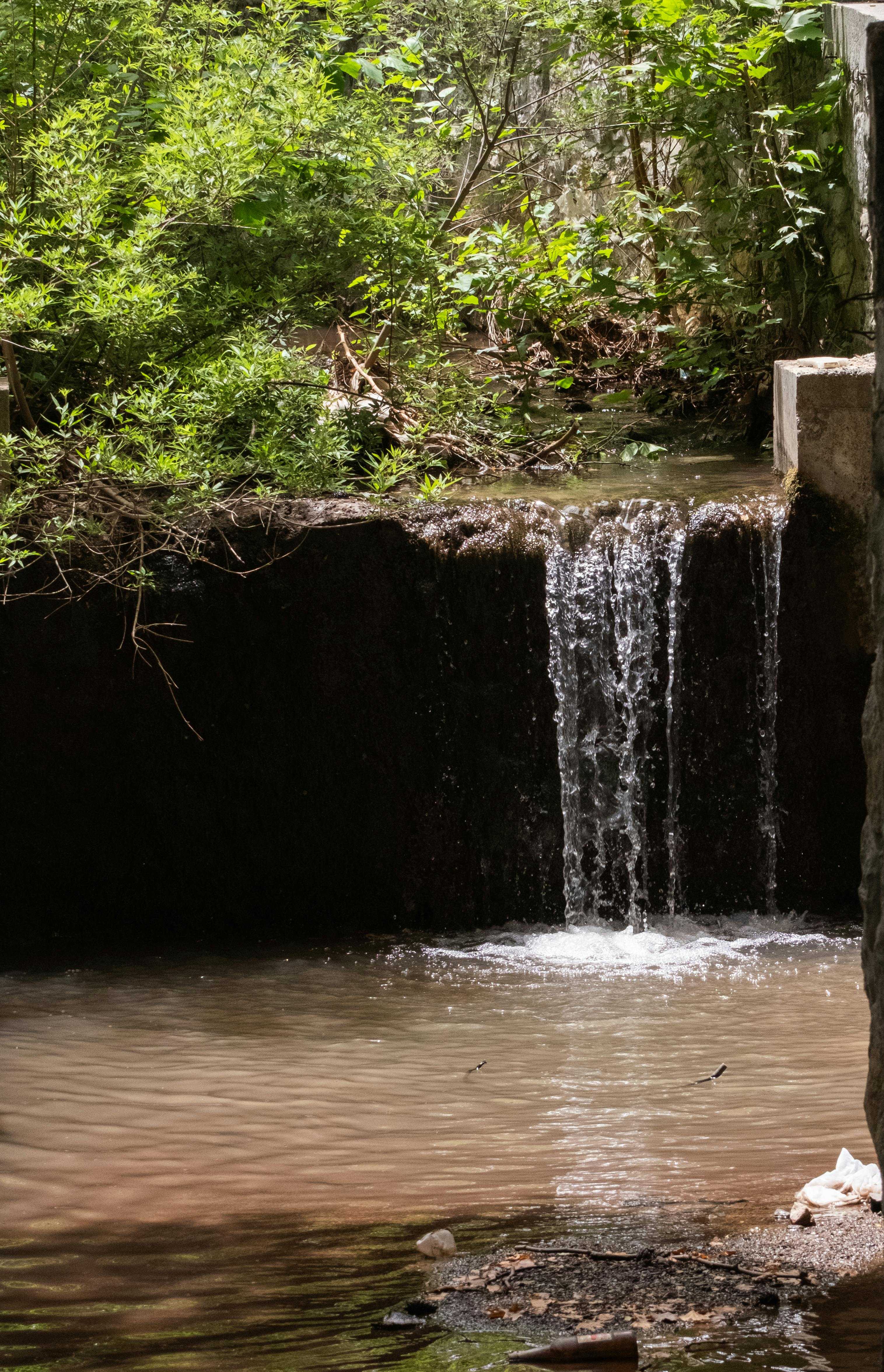
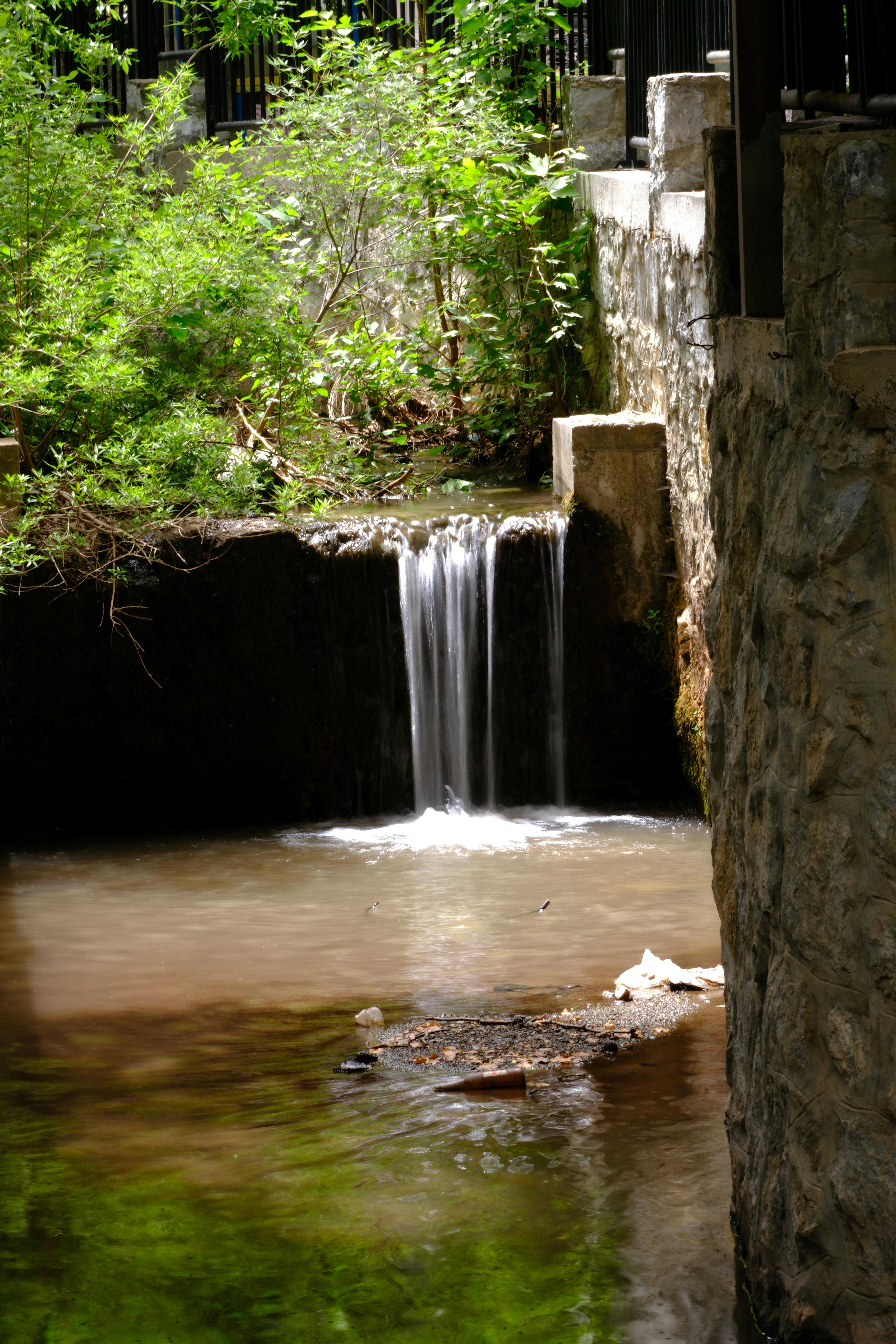
  2. Natural Beauty: Buca is surrounded by stunning natural landscapes, including lush greenery, parks, and gardens. Visitors can enjoy peaceful walks, picnics, and outdoor activities in the area.

  3. Local Cuisine: İzmir is known for its delicious cuisine, and Buca is no exception. Travelers can indulge in traditional Turkish dishes, fresh seafood, and local specialties at the numerous restaurants and cafes in the district.

  4. Shopping: Buca offers a mix of modern shopping centers and traditional markets, providing visitors with plenty of opportunities to shop for souvenirs, handicrafts, and local products.

  5. Cultural Experiences: Travelers to Buca can immerse themselves in the local culture by attending traditional festivals, visiting art galleries, and interacting with friendly locals.

  6. Accessibility: Buca is well-connected to the rest of İzmir, making it easy for travelers to explore other parts of the city and its attractions.

Overall, traveling to Buca in İzmir, Turkey, offers a blend of history, natural beauty, culinary delights, cultural experiences, and convenience for visitors to enjoy.

Enjoy your trip to Buca!

What to know

Information not available.

Buca is a district of İzmir, Turkey, with a rich history influenced by various cultures and civilizations. Here is a detailed history and overview of Buca:

Early History

  • Ancient and Byzantine Periods: The area around Buca has been inhabited since ancient times, with its history intertwined with that of the greater İzmir region. İzmir, known as Smyrna in antiquity, was a prominent city of the Ionian League and later part of the Roman Empire. However, specific details about Buca during these early periods are sparse.

Ottoman Era

  • 17th-19th Centuries: Buca began to develop significantly during the Ottoman Empire, particularly in the 17th and 18th centuries. It became an attractive suburb for wealthy merchants and expatriates, including Levantines and Europeans, who built elegant mansions and estates in the area.

  • Cultural Melting Pot: Buca became a cultural melting pot with a diverse population, including Turks, Greeks, Armenians, and Levantines. This multicultural environment influenced its architecture, culture, and social life.

19th and Early 20th Centuries

  • Mansion Development: The area became known for its splendid mansions, many of which were built by the Levantine community. These mansions were characterized by their unique architectural styles, blending European and local influences.

  • Educational Institutions: Significant educational institutions were established, including the American College for Girls, which played a crucial role in the education of young women in the region.

Republican Era

  • 20th Century: Following the foundation of the Republic of Turkey in 1923, Buca underwent significant changes. The population became more homogeneous as a result of population exchanges and migrations.

  • Urbanization: Buca experienced rapid urbanization in the latter half of the 20th century with the expansion of İzmir. It became a more integrated part of the metropolitan area, with increased residential and commercial development.

Notable Figures

  • Levantine Families: Many prominent Levantine families, such as the Whittalls and Girauds, contributed to the cultural and architectural heritage of Buca through their residences and social initiatives.

Landmarks

  • Buca Gölet: A large recreational area with an artificial lake, offering a variety of outdoor activities and serving as a popular spot for locals and visitors.

  • Historic Mansions: Some of the historic Levantine mansions still stand today, although many have been repurposed or are in need of restoration.

  • Protestant Baptist Church: Reflecting the diverse religious history of the area, this church is a notable landmark of Buca.

Modern Buca

  • Educational Hub: Buca is home to Dokuz Eylül University, one of Turkey's prominent universities, contributing to the district's vibrant student life.

  • Transportation and Infrastructure: Buca is well-connected to the rest of İzmir through an extensive public transportation network, including buses and the İzmir Metro.

Overall, Buca's history is a tapestry of cultural influences, marked by its transformation from a rural suburb with grand mansions to a bustling urban district. Its historical landmarks and educational institutions continue to be points of pride for the community.