


Top hotels & flights
Hand-picked stays and the best fares into Brunei dan Muara.
Top Hotels in Brunei dan Muara
Top Flights to Brunei dan Muara
Location videos
Real reels from travelers, plus longer watches to get the full picture.
Practical info
The essentials for planning your time in Brunei dan Muara.
Local guide
What travelers love, what to watch for, and a deeper read on Brunei dan Muara.
What people love
Brunei Darussalam, located in Brunei Darussalam, offers a unique travel experience with its rich cultural heritage, beautiful landscapes, and warm hospitality. Here are some pros of traveling to Brunei Darussalam:
-
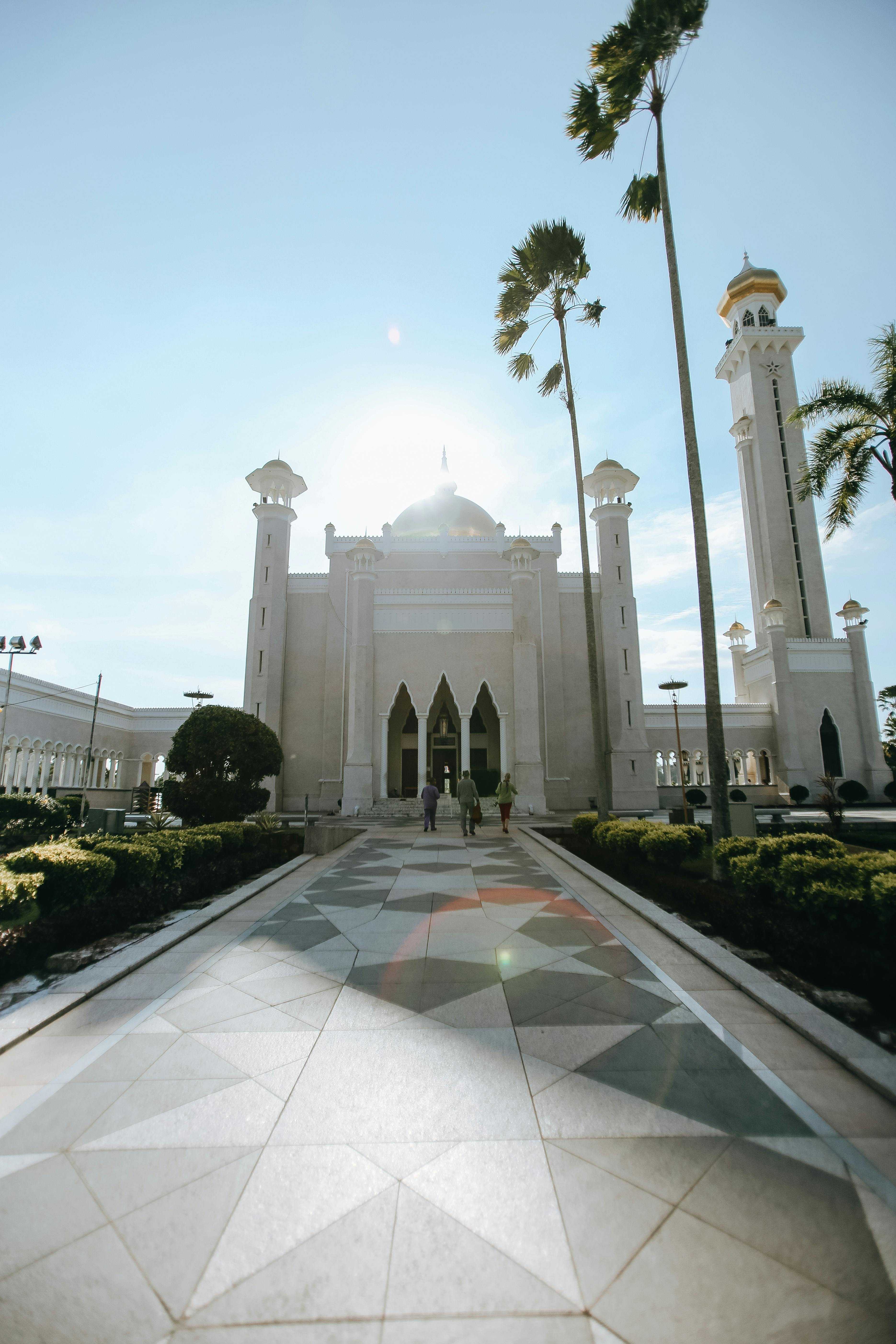
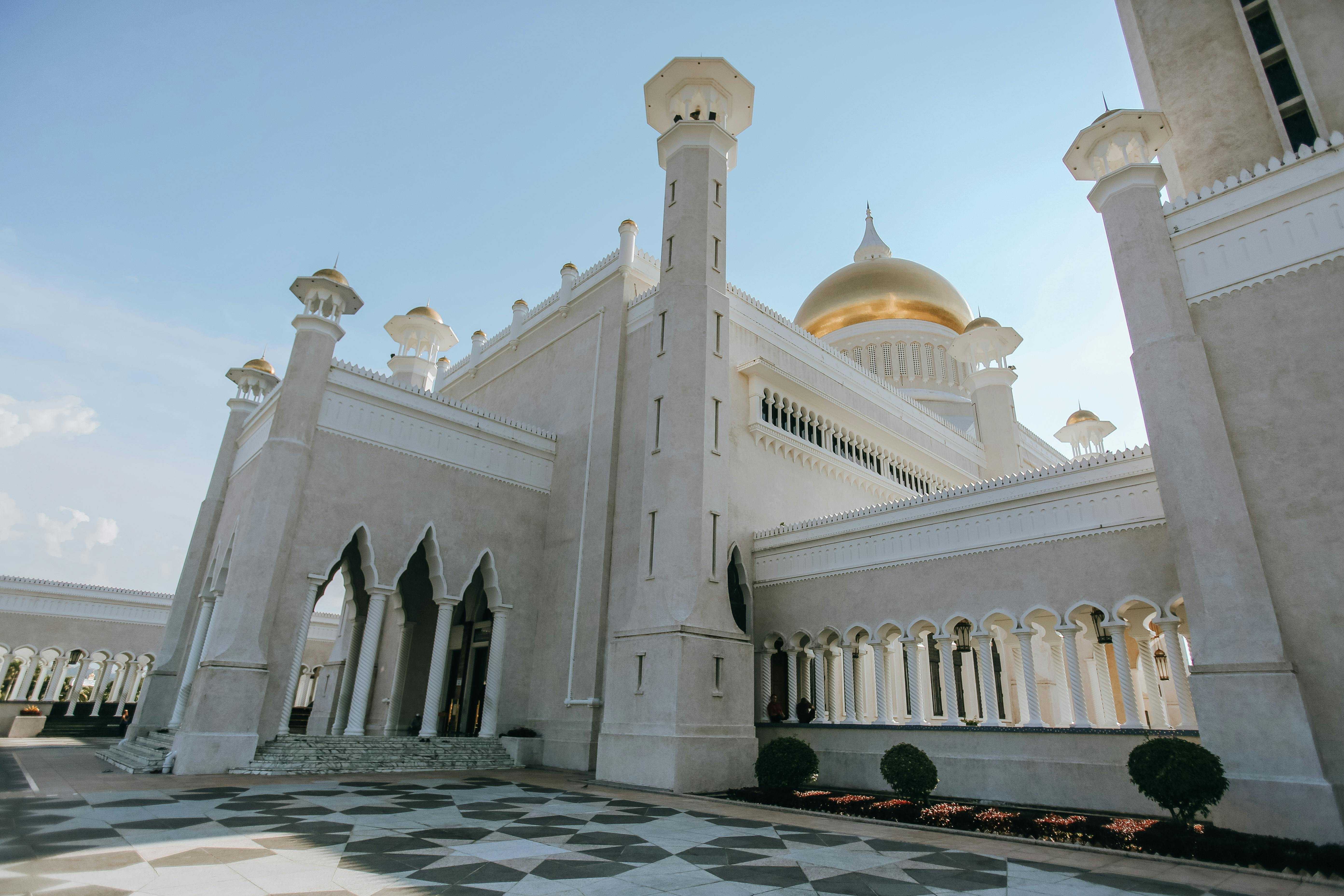
Rich Cultural Experience: Brunei Darussalam is a melting pot of cultures, influenced by Malay, Chinese, and indigenous traditions. Visitors can explore the Sultan Omar Ali Saifuddien Mosque, Kampong Ayer water village, and traditional markets to immerse themselves in the local culture.
-
Beautiful Landscapes: Brunei Darussalam is home to stunning natural beauty, including pristine rainforests, mangrove swamps, and coral reefs. Travelers can enjoy outdoor activities such as jungle trekking, river cruises, and diving to discover the diverse flora and fauna of the region.
-
Warm Hospitality: The people of Brunei Darussalam are known for their friendly and welcoming nature, making visitors feel at home during their stay. Travelers can interact with locals, sample traditional cuisine, and participate in cultural events to experience the warmth of Bruneian hospitality.
-
Safety and Cleanliness: Brunei Darussalam is considered one of the safest and cleanest countries in Southeast Asia, offering travelers a peaceful and hygienic environment to explore. The country's strict laws and regulations contribute to its reputation as a secure and orderly destination for tourists.
-
Unique Attractions: Brunei Darussalam boasts unique attractions such as the Royal Regalia Museum, Jerudong Park Playground, and Ulu Temburong National Park, providing visitors with diverse experiences that showcase the country's history, heritage, and natural beauty.
Overall, traveling to Brunei Darussalam offers a blend of cultural immersion, natural exploration, and warm hospitality that makes it a compelling destination for tourists seeking a distinctive and memorable travel experience.
What to know
Traveling to Brunei and Muara, located in Brunei Darussalam, can have some potential cons for tourists. Here are some detailed cons to consider:
-
Limited Tourist Attractions: Brunei and Muara are known for their natural beauty and cultural heritage, but the area may lack a variety of tourist attractions compared to other popular destinations. Visitors looking for a bustling nightlife or extensive shopping options may find the area lacking in these aspects.
-
Conservative Culture: Brunei is a conservative Islamic country, and visitors are expected to respect local customs and traditions. This includes dressing modestly, especially in religious areas, and refraining from public displays of affection. Alcohol is also strictly regulated, and the sale and consumption of alcohol are restricted in Brunei.
-
Limited Public Transportation: While Brunei and Muara have public transportation options like buses and water taxis, the services may be limited in terms of routes and frequency. Renting a car or relying on taxis may be necessary to explore the area conveniently.
-
Language Barrier: While English is widely spoken in Brunei, visitors may still encounter language barriers, especially in more rural areas or when interacting with older residents. Learning a few basic phrases in Malay, the national language, can help improve communication.
-
Weather: Brunei has a tropical climate with high humidity and frequent rainfall, especially during the monsoon season. Visitors should be prepared for hot and humid weather conditions, as well as the possibility of heavy rain showers disrupting outdoor activities.
Overall, while Brunei and Muara offer unique cultural experiences and natural beauty, potential travelers should be aware of these cons to have a more informed and enjoyable visit.