
Bremen
· DE

Bremen

Bremen, Bremen, Germany

Discover Bremen: Where History Meets Hanseatic Charm Step into a fairytale in Bremen, Germany, a captivating city where medieval history blends seamlessly with modern vibrancy. Situated on the banks of the Weser River, B…

#Germany#Bremen#City#Historic#Cultural
1/4

Top hotels & flights

Hand-picked stays and the best fares into Bremen.

Top Hotels in Bremen

Top Flights to Bremen

Location videos

Real reels from travelers, plus longer watches to get the full picture.

From travelers
Watch & explore

Practical info

The essentials for planning your time in Bremen.

Currency
€ | EUR | Euro
Population
680,000
Languages
German, Low German
Average weather
Bremen
Jan
cold
4°-1°
Feb
cold
5°-1°
Mar
cloud
9°1°
Apr
cloud
13°3°
May
cloud
18°7°
Jun
sun
21°11°
Jul
sun
23°13°
Aug
sun
23°13°
Sep
cloud
19°10°
Oct
cloud
14°6°
Nov
rain
8°3°
Dec
cold
5°0°

Local guide

What travelers love, what to watch for, and a deeper read on Bremen.

What people love

Bremen, located in the northwest of Germany, offers a unique blend of historical charm, cultural richness, and natural beauty. Here are some pros of traveling to Bremen:

  1. Historical Architecture: Bremen is known for its well-preserved historical architecture, including the UNESCO World Heritage Site of the Bremen Town Hall and the Roland Statue. These landmarks are iconic symbols of the city's medieval past and are must-visit attractions for history enthusiasts.

  2. Fascinating Museums: Bremen boasts a variety of museums catering to different interests. The Universum Science Center, Kunsthalle Bremen art museum, and the Übersee-Museum Bremen are just a few examples of the diverse cultural offerings available in the city.

  3. Picturesque Waterfront: Bremen's waterfront along the River Weser is a scenic area perfect for leisurely strolls or boat tours. The Schlachte Promenade is lined with restaurants, cafes, and bars, offering visitors a chance to relax and enjoy the views of the river.

  4. Rich Maritime History: Bremen has a strong maritime history, which is reflected in attractions like the German Maritime Museum and the historic ships docked at the Maritime Heritage Museum. Visitors interested in maritime heritage will find plenty to explore in Bremen.

  5. Green Spaces: Bremen is home to several parks and green spaces, such as the Bürgerpark and the Rhododendron Park, providing opportunities for outdoor activities, picnics, and relaxation amidst nature.

  6. Culinary Delights: Bremen offers a diverse culinary scene, with traditional German fare, international cuisine, and local specialties like Bremer Knipp (a type of sausage) and Bremer Ratskeller wine cellar offering unique dining experiences for visitors.

Overall, traveling to Bremen provides a mix of cultural, historical, and natural attractions that cater to a wide range of interests, making it a rewarding destination for travelers.

What to know

Some potential cons of traveling to Bremen, Germany could include:

  1. Weather: Bremen experiences cool and damp weather throughout much of the year, with frequent rainfall. This may not be ideal for travelers looking for sunny and warm weather.

  2. Language Barrier: While English is widely spoken in tourist areas, you may encounter some language barriers when interacting with locals or in more off-the-beaten-path locations.

  3. Cost: Like many cities in Germany, Bremen can be relatively expensive for travelers, especially when it comes to accommodation, dining, and transportation.

  4. Tourist Crowds: Bremen is a popular tourist destination, especially during peak travel seasons. This may result in crowded attractions and higher prices.

  5. Limited Nightlife: Bremen is not known for its vibrant nightlife scene compared to other cities in Germany like Berlin or Munich. If you're looking for a lively nightlife, Bremen may not be the best destination.

  6. Limited Public Transportation: While Bremen does have a public transportation system, it may not be as extensive or efficient as in other major cities. This could potentially make getting around more challenging for visitors.

Overall, Bremen is a charming city with plenty to offer visitors, but it's essential to be aware of these potential cons when planning your trip.

Bremen is a city with a rich history that dates back over 1,200 years. It is located in northern Germany and serves as the capital of the federal state of the same name, Bremen, which includes the city of Bremerhaven.

Early History

  • Foundation and Early Medieval Period: Bremen was first mentioned in historical records in 782 AD as a small settlement. In the 8th century, it became a bishopric under Charlemagne, the Holy Roman Emperor, as part of his efforts to Christianize the region.
  • Hanseatic League: In the 13th century, Bremen joined the Hanseatic League, a powerful economic and defensive alliance of merchant guilds and market towns in Northwestern and Central Europe. This brought significant wealth and influence to the city through trade.

The Middle Ages and Renaissance

  • Bremen Cathedral: One of the city's most significant landmarks, St. Peter's Cathedral (Bremen Cathedral), was completed in its Romanesque form in the 11th century. It underwent various reconstructions and expansions in the Gothic style in later centuries.
  • Rathaus and Roland Statue: The Bremen Town Hall (Rathaus), built in the early 15th century, is a notable example of Gothic architecture and later received a Renaissance facade. It, along with the Roland Statue (1404), a symbol of civil liberty and market rights, is part of a UNESCO World Heritage Site.

17th to 19th Century

  • Thirty Years' War: Bremen remained relatively unscathed by the Thirty Years' War (1618–1648), which devastated much of Germany, allowing it to continue to prosper as a trade hub.
  • Independence: In 1646, Bremen gained its independence as a Free Imperial City, a status it retained until the end of the Holy Roman Empire in 1806.
  • 19th Century: Bremen became part of the German Confederation in 1815 and later joined the German Empire in 1871. During this period, it expanded as an industrial and commercial center, particularly with the opening of the free port in Bremerhaven in 1830.

20th Century

  • World War II: Bremen was heavily bombed during World War II due to its industrial importance, resulting in significant destruction. However, many historic buildings were reconstructed post-war.
  • Post-War Period: After the war, Bremen became part of the American Zone of Occupation and was later incorporated into the newly formed West Germany. It had a special status as a city-state within the Federal Republic of Germany.

Modern Bremen

  • Economy and Culture: Today, Bremen is known for its aerospace industry, shipping, and food and beverage production, including being the home of the Beck's Brewery.
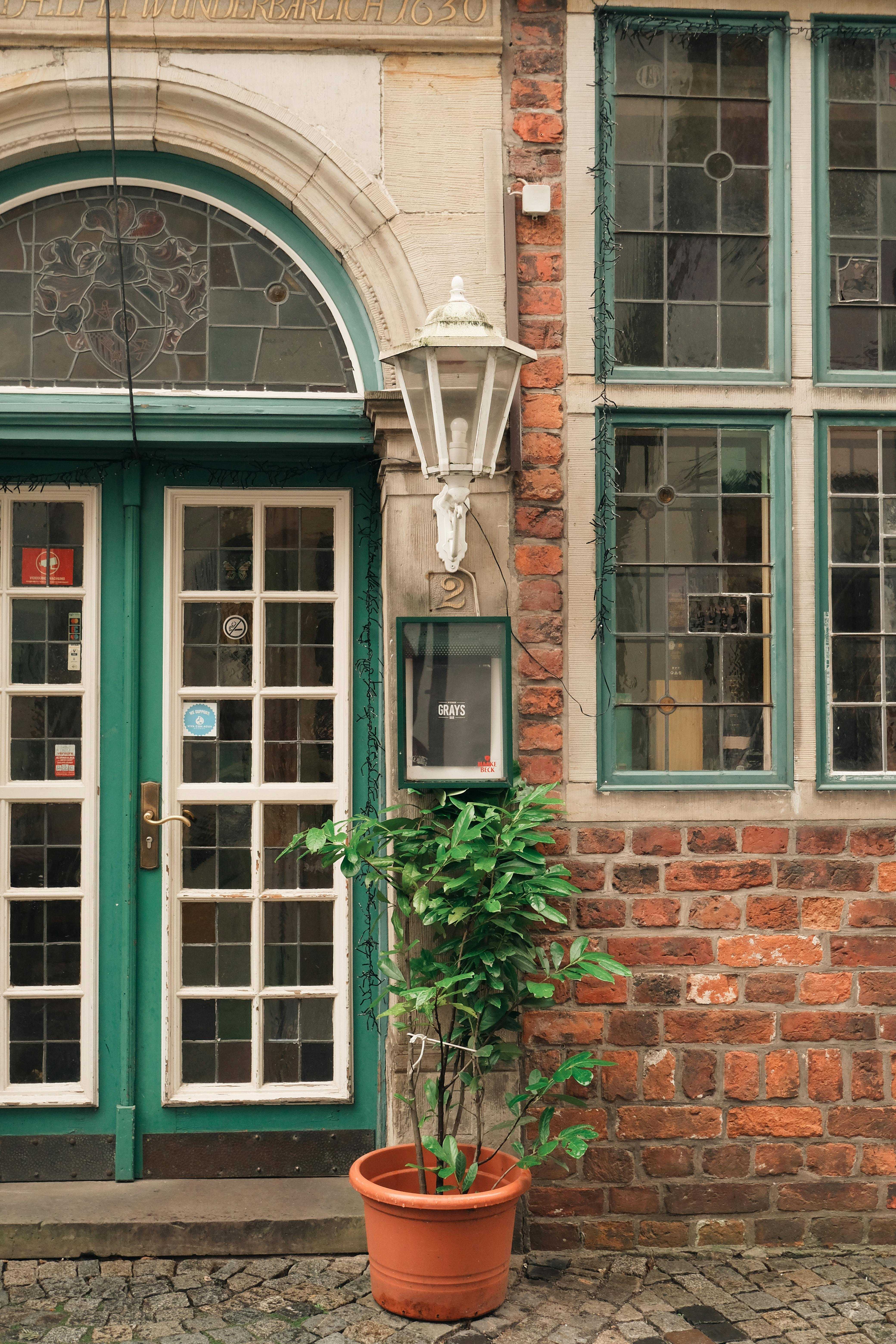
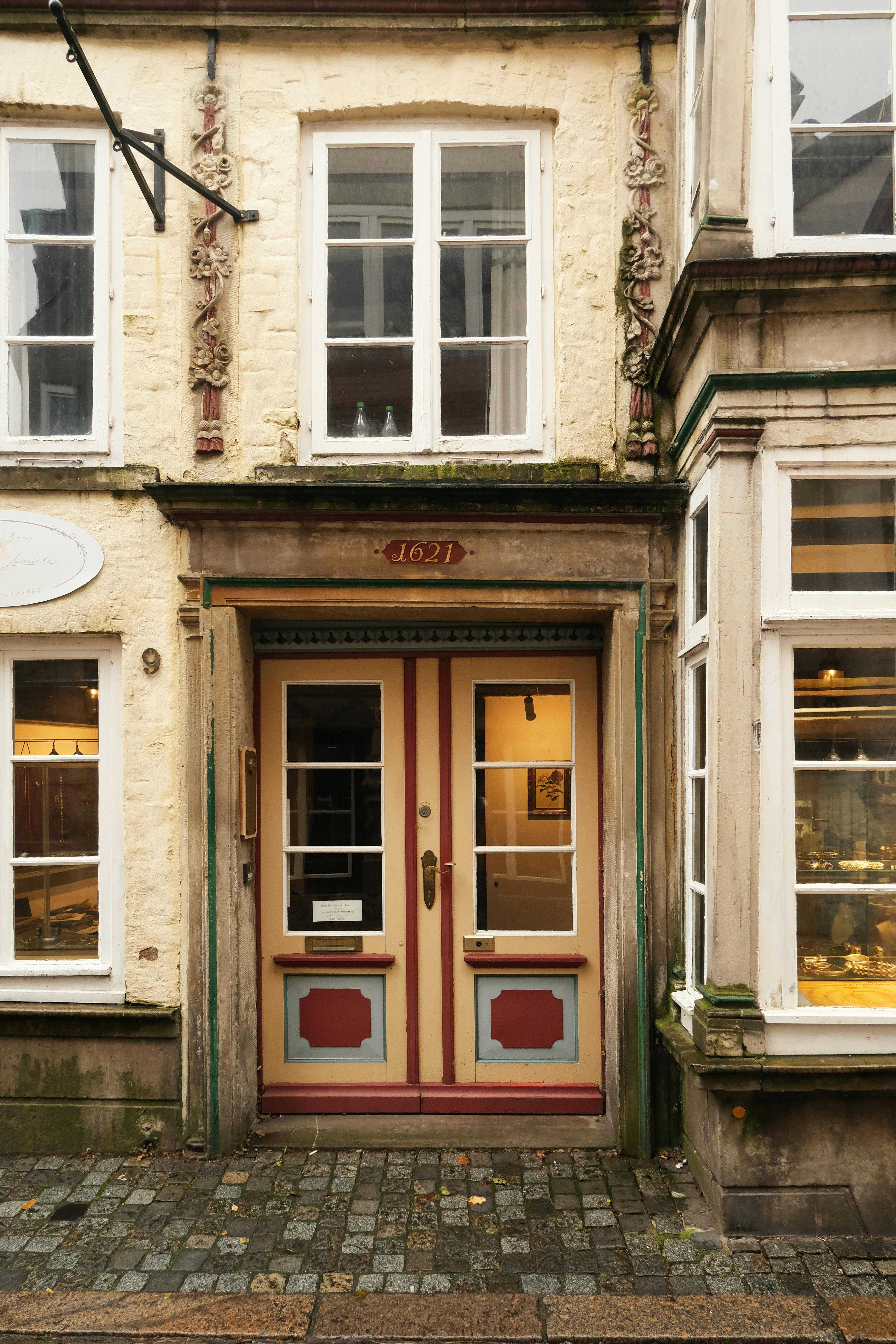
  • Cultural Landmarks: The city is famous for the Bremen Town Musicians, a fairy tale by the Brothers Grimm, commemorated by a statue near the Town Hall. The Schnoor, a medieval neighborhood with narrow streets and well-preserved buildings, is another cultural attraction.
  • Educational and Scientific Hub: Bremen is home to several universities and research institutions, contributing to its reputation as a center for science and education.

Significant Figures

  • Admiral Karl Rudolf Brommy: A naval officer known for his role in the German Navy in the 19th century, played a key role in establishing naval forces.
  • Ludwig Quidde: A Nobel Peace Prize laureate from Bremen, recognized for his work in the peace movement.

Bremen's blend of history, culture, and commerce makes it a unique and vibrant city with a significant place in both German and European history.