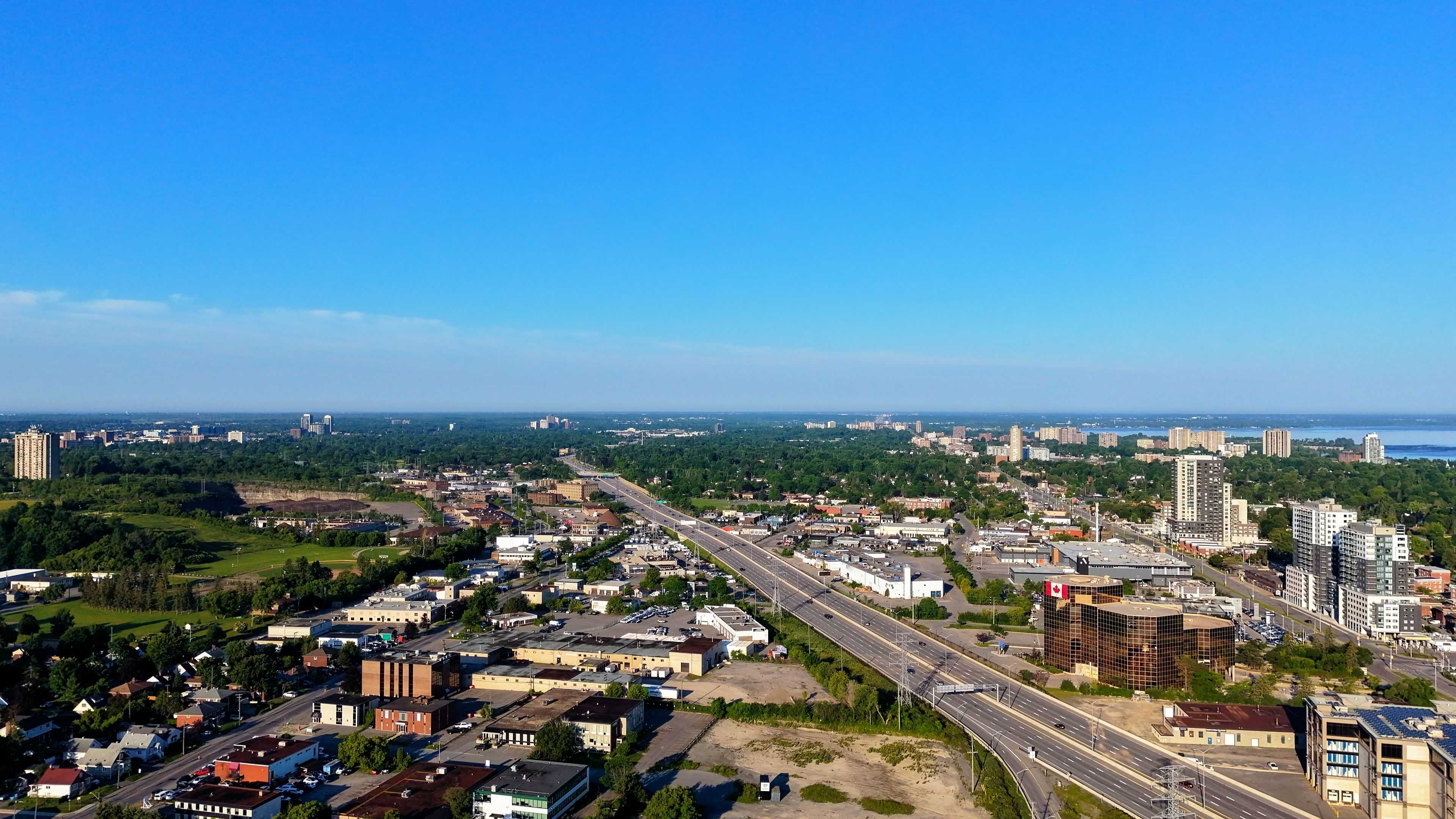
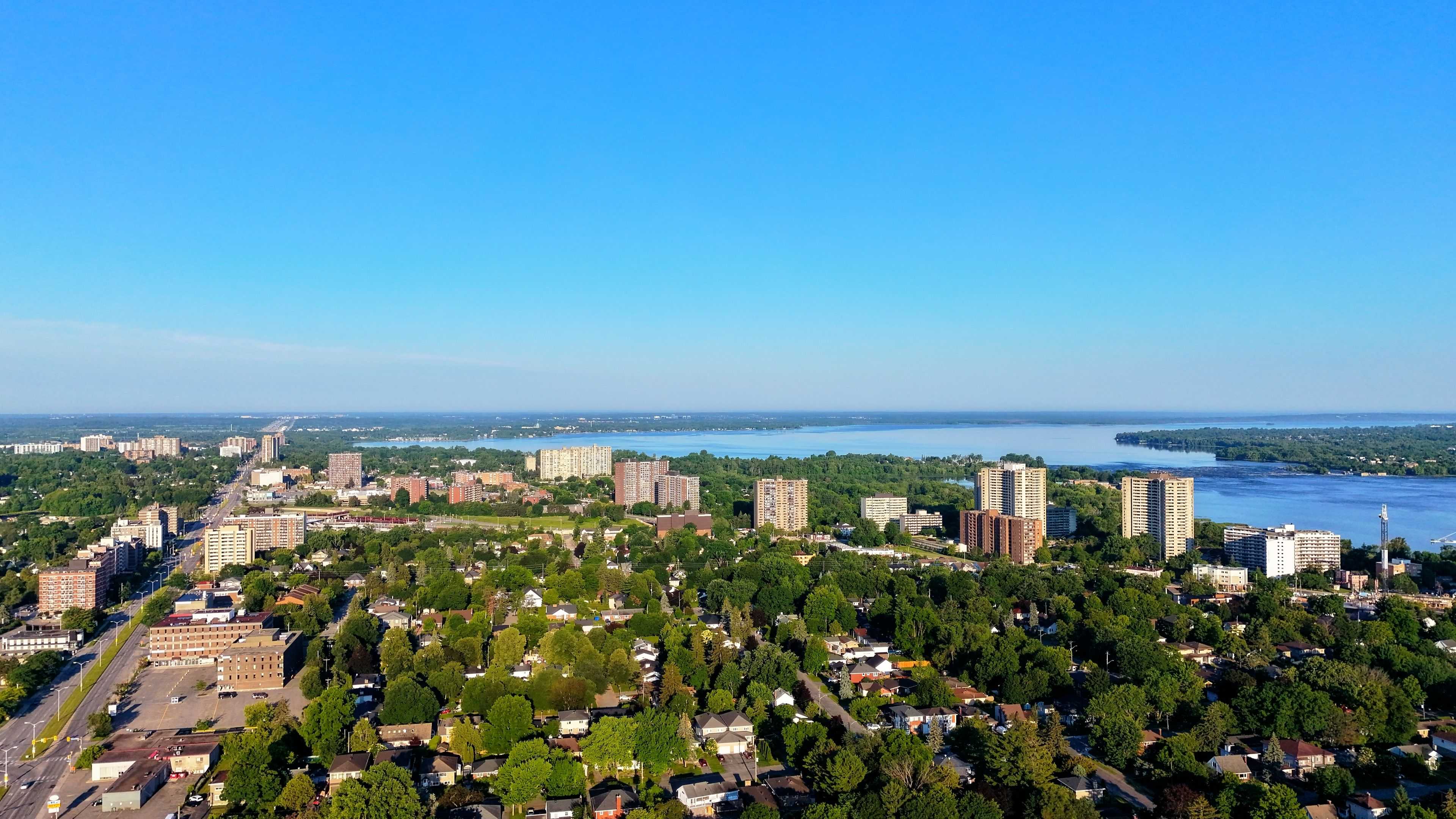

Brampton
· CA

Brampton

Brampton, Ontario, Canada

Discover Brampton: Where Urban Excitement Meets Natural Beauty Just outside the bustling heart of Toronto lies Brampton, Ontario, a vibrant city brimming with cultural experiences, natural escapes, and a warm, welcoming …

#Brampton#Ontario#Canada#Suburban#Diverse
1/4

Top hotels & flights

Hand-picked stays and the best fares into Brampton.

Top Hotels in Brampton

Top Flights to Brampton

Location videos

Real reels from travelers, plus longer watches to get the full picture.

From travelers

Practical info

The essentials for planning your time in Brampton.

Currency
$ | CAD | Canadian Dollar
Population
Information not available.
Languages
English, English, French, Punjabi, Urdu, Filipino
Average weather
Brampton
Jan
snow
-1°-8°
Feb
snow
0°-7°
Mar
cloud
4°-4°
Apr
rain
11°1°
May
cloud
18°7°
Jun
sun
24°13°
Jul
hot
27°16°
Aug
hot
26°15°
Sep
sun
22°11°
Oct
cloud
14°5°
Nov
rain
7°0°
Dec
snow
1°-6°

Local guide

What travelers love, what to watch for, and a deeper read on Brampton.

What people love

Brampton, located in Ontario, Canada, has several pros for travelers to consider:

  1. Cultural Diversity: Brampton is known for its cultural diversity, with a large South Asian community. This diversity is reflected in the city's food, events, and cultural attractions, offering visitors a chance to experience different cultures.

  2. Green Spaces: Brampton boasts several parks and green spaces, providing opportunities for outdoor activities such as picnicking, hiking, and cycling. Chinguacousy Park, Gage Park, and Heart Lake Conservation Area are popular spots for locals and tourists alike.

  3. Shopping and Dining: Brampton offers a variety of shopping options, from malls to local boutiques. Visitors can also explore the diverse culinary scene, with restaurants serving cuisines from around the world.

  4. Cultural Attractions: The city is home to cultural attractions like the Rose Theatre, which hosts performances ranging from music concerts to theatrical productions. The Peel Art Gallery Museum + Archives (PAMA) showcases local art and history.

  5. Proximity to Toronto: Brampton's location provides easy access to Toronto, Canada's largest city, which is just a short drive or train ride away. This allows travelers to explore Toronto's attractions while staying in a more relaxed suburban setting.

Overall, Brampton offers a blend of cultural experiences, outdoor activities, shopping, dining, and proximity to a major city, making it a worthwhile destination for travelers looking for a diverse and dynamic experience.

What to know

Some potential cons of traveling to Brampton, Ontario, Canada include:

  1. Transportation: Brampton is known for its heavy traffic congestion, especially during rush hours. Navigating through the city can be challenging due to the high volume of vehicles on the road.

  2. Weather: Brampton experiences cold winters with heavy snowfall, which can impact travel plans and make getting around the city more difficult.

  3. Limited tourist attractions: While Brampton has some parks, museums, and cultural sites, it may not offer as many tourist attractions compared to other cities in Ontario like Toronto or Niagara Falls.

  4. Safety concerns: Like any city, Brampton has its share of crime and safety concerns. Travelers should take precautions and be aware of their surroundings while visiting.

  5. Lack of public transportation options: Brampton's public transportation system may not be as extensive or convenient as in larger cities, making it more challenging to get around without a car.

It's always a good idea to research further and consider your individual preferences and needs when deciding whether to travel to Brampton.

Brampton, Ontario, Canada, has a rich history characterized by its transformation from a small village to a major suburban city within the Greater Toronto Area. Here's a detailed history of Brampton:

Early History and Settlement

  • Indigenous Peoples: Prior to European settlement, the area that is now Brampton was inhabited by the Indigenous peoples, including the Huron-Wendat and later the Mississaugas of the Credit River.
  • Settlement: European settlement began in the early 19th century. The area was initially part of the Toronto Township, and it saw an influx of immigrants, particularly from the British Isles.

Founding and Development

  • 1834: John Elliott laid out the area now known as Brampton, naming it after his hometown of Brampton, Cumberland, England.
  • 1853: Brampton was officially incorporated as a village. The establishment of a railway line through the area spurred its growth.

Economic Growth

  • The Flower Town of Canada: In the 1860s, Brampton became known as the "Flower Town of Canada" due to its thriving flower-growing industry, particularly roses. The Dale Estate, one of the largest flower nurseries in North America, played a significant role in this reputation.
  • Late 19th Century: Brampton continued to grow as a center for business and commerce. The population increased, and the village expanded its infrastructure.

20th Century

  • City Status: By the mid-20th century, Brampton had grown substantially. It was incorporated as a city in 1974.
  • Post-War Growth: The city experienced rapid suburban growth post-World War II, driven by its proximity to Toronto and the development of transportation infrastructure like Highway 401 and Highway 407.

Significant Events

  • 1970s-1980s: Brampton underwent significant urban development, with new residential, commercial, and industrial areas being established.
  • 1990s-Present: The city has continued to expand and diversify, becoming one of Canada’s most multicultural cities. The population has increased dramatically, making Brampton the ninth-largest city in Canada as of recent estimates.

Historical Figures

  • John Elliott: Founder of Brampton, who named the settlement after his hometown in England.
  • Kennedy Family: Significant landowners in Brampton’s early history, with several landmarks named after them.

Important Landmarks

  • Peel Art Gallery, Museum and Archives (PAMA): Housed in a historic building, PAMA offers exhibitions and archives that tell the story of the region’s history and culture.
  • Historic Bovaird House: A preserved 19th-century farmhouse that offers insights into Brampton’s rural past.
  • Gage Park: One of the oldest municipal parks in Brampton, established in 1903, and a community gathering spot.

Modern Brampton

  • Cultural Diversity: Brampton is known for its diverse population, with significant communities of South Asian, Black, and other ethnic groups. This diversity is reflected in its festivals, cuisine, and cultural activities.
  • Economic Development: The city has a mixed economy with strengths in manufacturing, retail, and service industries. It is also home to a growing tech sector.

Brampton continues to evolve, balancing its historical roots with modern urban development, and it remains a key city within the Greater Toronto Area.