



Top hotels & flights
Hand-picked stays and the best fares into Bradford-on-Avon.
Top Hotels in Bradford-on-Avon
Top Flights to Bradford-on-Avon
Practical info
The essentials for planning your time in Bradford-on-Avon.


Local guide
What travelers love, what to watch for, and a deeper read on Bradford-on-Avon.
What people love
Bradford-on-Avon, located in Wiltshire, United Kingdom, offers a charming and picturesque setting for travelers to explore. Here are some of the pros of traveling to Bradford-on-Avon:
-
Scenic Beauty: Bradford-on-Avon is known for its stunning natural beauty, with the River Avon running through the town and the picturesque Cotswold countryside surrounding it. Travelers can enjoy leisurely walks along the river or explore the rolling hills and valleys nearby.
-
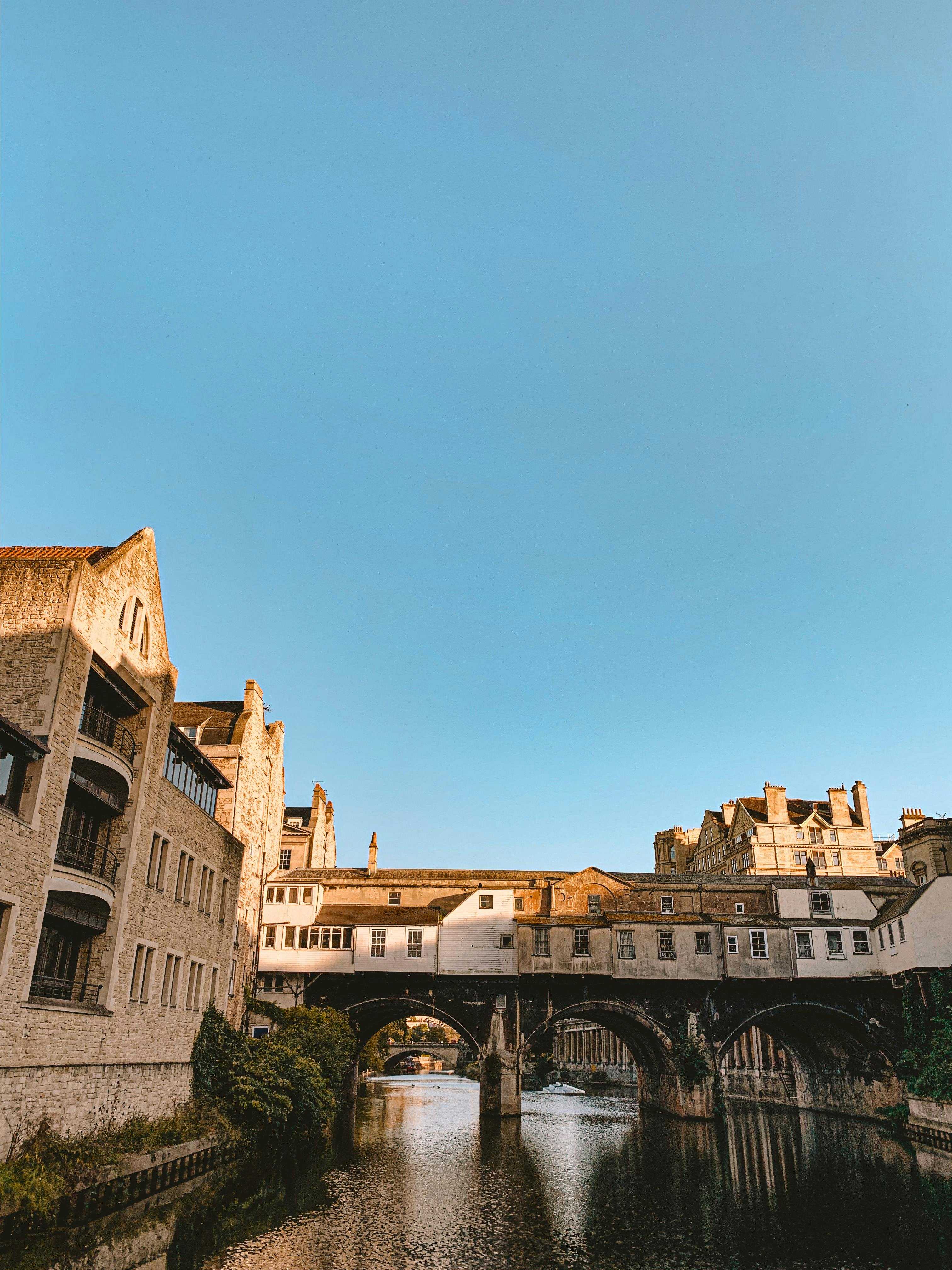
Historic Architecture: The town boasts a wealth of historic architecture, including the stunning 14th-century Tithe Barn, the Saxon Church of St. Laurence, and the medieval bridge over the River Avon. History enthusiasts will delight in exploring the well-preserved buildings and landmarks in Bradford-on-Avon.
-
Quaint Atmosphere: Bradford-on-Avon has a quaint and cozy atmosphere, with narrow winding streets, traditional stone cottages, and charming local shops and cafes. Visitors can immerse themselves in the town's relaxed pace of life and friendly community spirit.
-
Cultural Attractions: The town is home to various cultural attractions, such as the Bradford-on-Avon Museum and the Wiltshire Music Centre, which offer insights into the local history and arts scene. Travelers can also attend events and performances at the music center for a taste of the town's cultural offerings.
-
Access to Nearby Attractions: Bradford-on-Avon is conveniently located near other popular destinations in Wiltshire, such as Bath and Stonehenge. Travelers can easily take day trips to explore these iconic attractions and return to the peaceful ambiance of Bradford-on-Avon in the evenings.
Overall, traveling to Bradford-on-Avon offers a delightful blend of natural beauty, historic charm, cultural experiences, and convenient access to nearby attractions, making it a rewarding destination for visitors to explore.
Enjoy your trip to Bradford-on-Avon!
What to know
Some potential cons of traveling to Bradford-on-Avon in Wiltshire, United Kingdom, could include:
-
Limited transportation options: Bradford-on-Avon is a small town, so it may not have as many transportation options compared to larger cities. This could make it more challenging to travel to and around the area.
-
Weather: As with any destination in the UK, the weather in Bradford-on-Avon can be unpredictable and often rainy. Travelers should be prepared for changing weather conditions and pack accordingly.
-
Limited nightlife and entertainment options: Bradford-on-Avon is a quaint town known for its historic architecture and scenic surroundings, but it may not offer as many nightlife or entertainment options as larger cities. Travelers looking for a vibrant nightlife scene may find Bradford-on-Avon to be quieter in the evenings.
-
Limited dining options: While Bradford-on-Avon does have some charming cafes and restaurants, the dining options may be limited compared to larger cities. Travelers with specific dietary preferences or looking for a wide variety of culinary choices may find the options in Bradford-on-Avon to be more limited.
-
Crowds during peak tourist seasons: While Bradford-on-Avon is a charming destination, it can attract crowds of tourists during peak seasons, which may impact the overall experience for some travelers looking for a more peaceful and quiet setting.
Overall, while Bradford-on-Avon offers a unique and picturesque experience for travelers, it is important to consider these potential cons when planning a trip to the area.