


Bournemouth
· GB

Bournemouth

Bournemouth, United Kingdom

Bournemouth: Where Victorian Charm Meets Modern Seaside Fun Sun-drenched beaches, vibrant gardens, and a touch of Victorian grandeur await you in Bournemouth, a coastal gem nestled on the southern coast of England. Wheth…

#Beach town#Seaside resort#Tourist destination#Coastal city#Dorset
1/8

Top hotels & flights

Hand-picked stays and the best fares into Bournemouth.

Top Hotels in Bournemouth

Top Flights to Bournemouth

Location videos

Real reels from travelers, plus longer watches to get the full picture.

From travelers
Watch & explore

Practical info

The essentials for planning your time in Bournemouth.

Currency
£ | GBP | Pound Sterling
Population
The approximate estimated total population of Bournemouth, United Kingdom, is around 0.2 million.
Languages
English
Average weather
Bournemouth
Jan
rain
7°2°
Feb
rain
8°2°
Mar
cloud
10°3°
Apr
cloud
13°5°
May
sun
16°8°
Jun
clear
19°11°
Jul
sun
22°13°
Aug
sun
22°13°
Sep
clear
19°11°
Oct
cloud
15°8°
Nov
rain
11°5°
Dec
rain
8°3°

Local guide

What travelers love, what to watch for, and a deeper read on Bournemouth.

What people love

There are several pros to traveling to Bournemouth, United Kingdom:

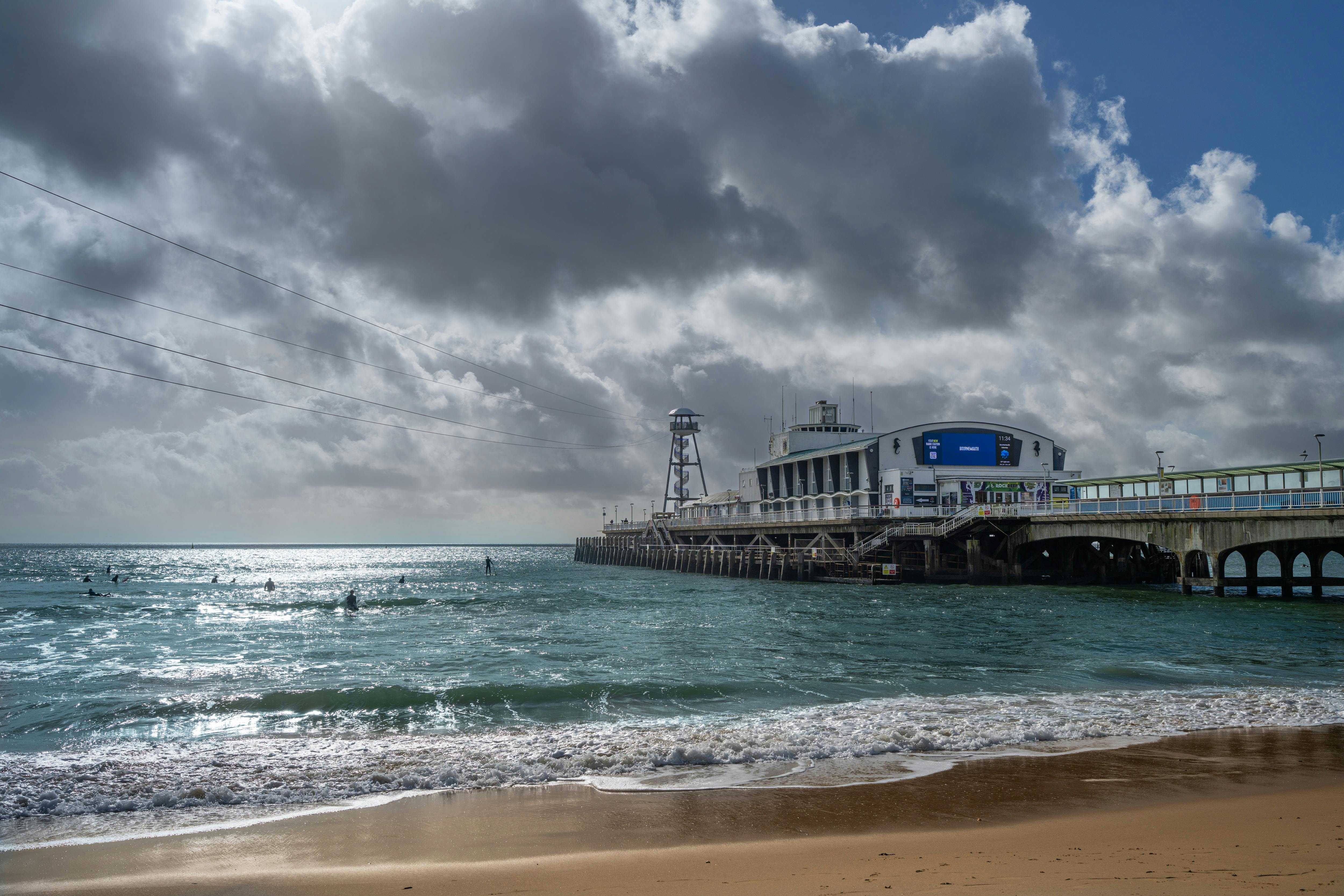
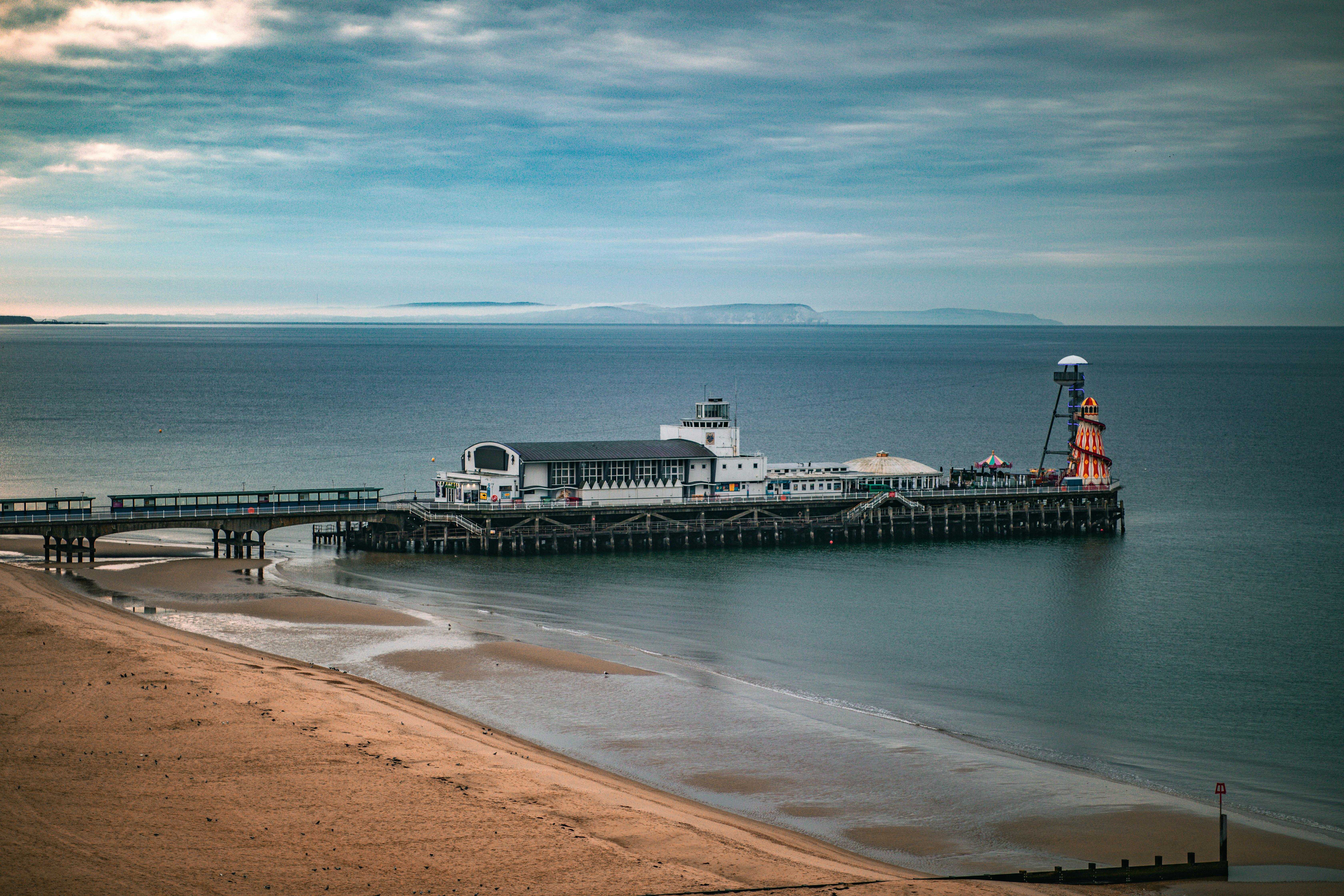
  1. Beautiful Beaches: Bournemouth boasts seven miles of stunning sandy beaches, making it a popular destination for beach lovers. Whether you want to sunbathe, swim, or enjoy water sports, Bournemouth's beaches have something for everyone.

  2. Natural Beauty: In addition to its beaches, Bournemouth is surrounded by beautiful natural landscapes, including the picturesque New Forest and the Jurassic Coast, a UNESCO World Heritage Site known for its stunning cliffs and rock formations.

  3. Outdoor Activities: Bournemouth offers a wide range of outdoor activities for visitors to enjoy, including hiking, cycling, golfing, and watersports. The town's mild climate makes it an ideal destination for outdoor enthusiasts year-round.

  4. Vibrant Culture: Bournemouth has a thriving arts and culture scene, with numerous galleries, museums, and theaters to explore. The town also hosts a variety of festivals and events throughout the year, showcasing music, food, and more.

  5. Shopping and Dining: Bournemouth is home to a diverse range of shops, from high-end boutiques to quirky independent stores. The town also has a vibrant culinary scene, with a wide selection of restaurants and cafes offering delicious cuisine from around the world.

Overall, Bournemouth offers a mix of natural beauty, outdoor activities, cultural attractions, and shopping and dining options, making it a great destination for travelers looking for a diverse and enjoyable experience.

What to know

Some potential cons of traveling to Bournemouth, United Kingdom, may include:

  1. Weather: Bournemouth's weather can be unpredictable, with frequent rain and cooler temperatures compared to other popular tourist destinations. Visitors may need to pack appropriate clothing for varying weather conditions.

  2. Crowds: During peak tourist seasons, Bournemouth can get crowded with visitors, especially around popular attractions and beaches. This may lead to longer wait times and difficulty finding accommodations.

  3. Cost: Like many popular tourist destinations in the UK, Bournemouth can be relatively expensive, especially when it comes to accommodations, dining, and activities. Visitors should budget accordingly to avoid overspending.

  4. Limited public transportation: While Bournemouth does have a bus network, the options for public transportation may be limited compared to larger cities. Renting a car may be necessary to explore the surrounding areas.

  5. Potential for jellyfish: Bournemouth's beaches are known to occasionally have jellyfish sightings, which may pose a risk to swimmers. Visitors should heed any warning signs and take precautions while enjoying the beach.

Overall, while Bournemouth is a beautiful coastal town with plenty to offer, visitors should be aware of these potential cons to better prepare for their trip.

Bournemouth is a coastal resort town on the south coast of England in the county of Dorset. Its history is relatively modern compared to many other British towns and cities, as it was founded in the early 19th century. Here is a detailed history of Bournemouth:

Early History

  • Before 19th Century: The area where Bournemouth now stands was largely uninhabited heathland. It was part of the ancient Anglo-Saxon kingdom of Wessex, but there were no significant settlements.

Foundation and 19th Century Development

  • 1810: The town was founded by Lewis Tregonwell, a retired army officer. Tregonwell visited the area with his wife and purchased land there. He built a house, which became the first structure in what would become Bournemouth.
  • 1836: Sir George William Tapps-Gervis, a local landowner, began developing Bournemouth as a seaside resort. He laid out plans for its development, emphasizing its potential as a health resort.
  • 1841: The construction of the first pier began, which later became a central feature of the town.
  • 1847: The arrival of the railway significantly boosted Bournemouth's growth, bringing in tourists from London and other parts of the UK.

Victorian Era and Edwardian Era

  • 1856: The town's first hotel, the Bath Hotel, was opened to accommodate the growing number of visitors.
  • 1870s-1880s: Bournemouth's popularity as a seaside resort continued to grow. It became known for its clean air and picturesque setting, attracting many visitors seeking health benefits.
  • 1890: Bournemouth was formally recognized as a town with the establishment of Bournemouth Borough Council.
  • 1901: The Bournemouth Symphony Orchestra was founded, which would become one of the UK's leading orchestras.

20th Century

  • World War I: Bournemouth, like many British towns, was affected by the war, but it continued to develop as a resort town.
  • 1930s: The construction of the Bournemouth Pavilion, an entertainment venue, added to the town's attractions.
  • World War II: Bournemouth suffered bombings due to its location and military significance. The town played a role in the war effort, including hosting troops and providing convalescence for soldiers.
  • 1940s-1960s: Post-war Bournemouth saw a boom in tourism again, with many British families visiting for holidays.
  • 1970s-1980s: The town expanded further, with new housing and commercial developments.

21st Century

  • 2000s-present: Bournemouth has continued to develop as a vibrant town with a strong emphasis on education, culture, and tourism. It is home to a significant student population with institutions like Bournemouth University and Arts University Bournemouth.
  • Landmarks and Attractions: Notable landmarks include Bournemouth Pier, the Russell-Cotes Art Gallery and Museum, and the Lower Gardens. The town is famous for its seven miles of sandy beaches.

Important Figures

  • Lewis Tregonwell: Founder of Bournemouth.
  • Sir George William Tapps-Gervis: Key figure in the town's early development as a resort.

Bournemouth today is known for its beautiful coastline, vibrant nightlife, and cultural offerings. It remains a popular destination for tourists and a desirable place to live due to its mild climate and scenic surroundings.