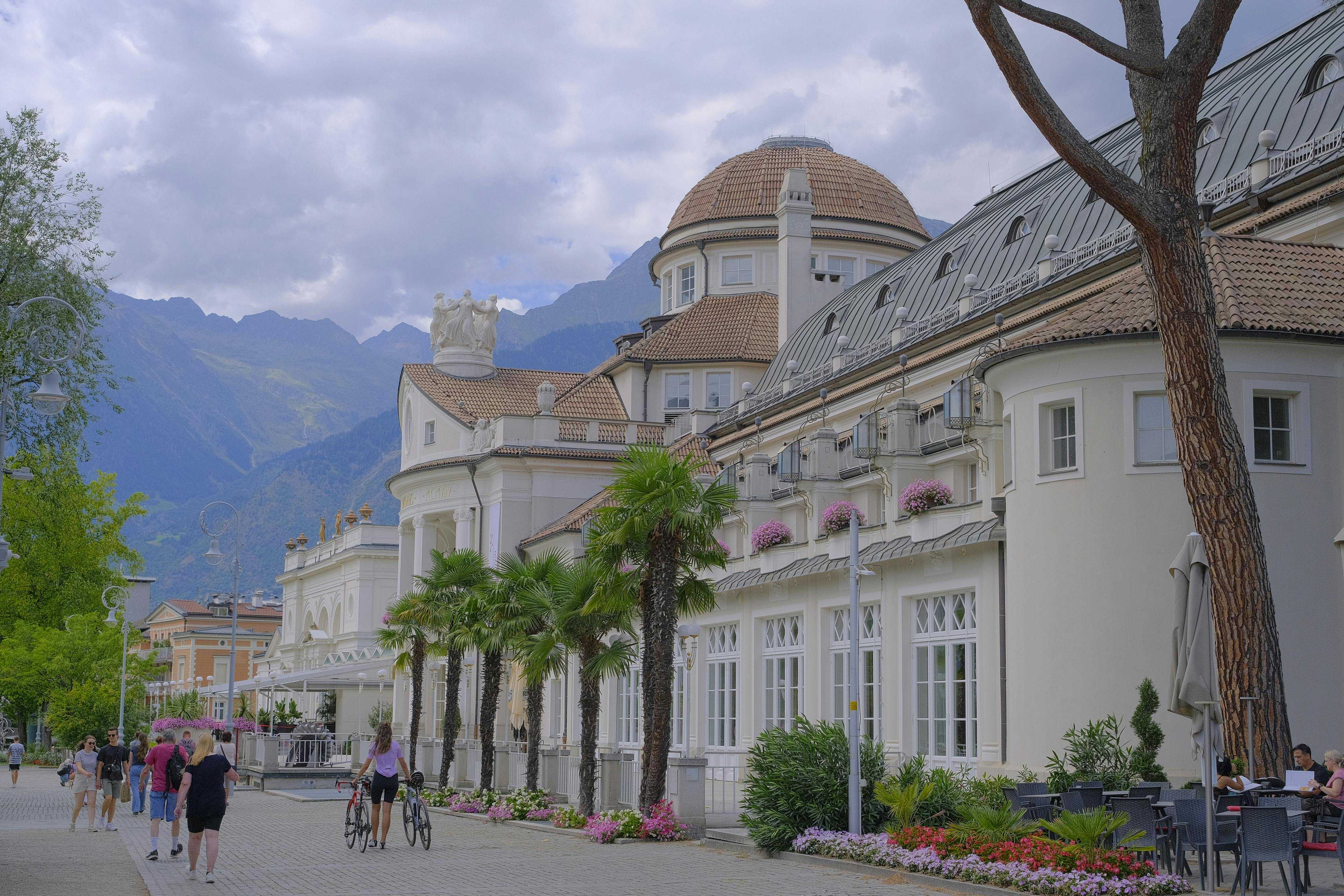

Bourg-lès-Valence
· FR

Bourg-lès-Valence

Bourg-les-Valence, Auvergne-Rhone-Alpes, France

Bourg-lès-Valence, located in the picturesque region of Auvergne-Rhône-Alpes in France, is a charming town that offers a perfect blend of historical significance, natural beauty, and vibrant culture. Situated along the R…

#Bourg-lès-Valence#Auvergne-Rhône-Alpes#France#Historic town#Rhone River
1/1

Top hotels & flights

Hand-picked stays and the best fares into Bourg-lès-Valence.

Top Hotels in Bourg-lès-Valence

Top Flights to Bourg-lès-Valence

Location videos

Real reels from travelers, plus longer watches to get the full picture.

Watch & explore

Practical info

The essentials for planning your time in Bourg-lès-Valence.

Currency
€ | EUR | Euro
Population
information not available
Languages
French, French
Average weather
Bourg-lès-Valence
Jan
cold
7°1°
Feb
cold
9°2°
Mar
cloud
13°4°
Apr
rain
16°7°
May
sun
20°11°
Jun
clear
25°15°
Jul
hot
29°18°
Aug
hot
28°17°
Sep
sun
24°14°
Oct
cloud
18°10°
Nov
rain
12°5°
Dec
cold
8°2°

Local guide

What travelers love, what to watch for, and a deeper read on Bourg-lès-Valence.

What people love

Bourg-lès-Valence is a charming town located in the Auvergne-Rhône-Alpes region of France. Here are some of the pros of traveling to Bourg-lès-Valence:

  1. Scenic Beauty: Bourg-lès-Valence is situated on the banks of the Rhône River, offering beautiful views and a peaceful atmosphere. The town is surrounded by picturesque countryside, making it a great destination for nature lovers.

  2. Rich History: Bourg-lès-Valence has a long history dating back to Roman times, with historic sites such as the Saint-Ruf Church and the Château de Crussol. History enthusiasts will enjoy exploring the town's ancient architecture and learning about its past.

  3. Gastronomic Delights: The Auvergne-Rhône-Alpes region is known for its delicious cuisine, and Bourg-lès-Valence is no exception. Visitors can enjoy local specialties such as cheeses, wines, and traditional dishes at the town's restaurants and markets.

  4. Outdoor Activities: Bourg-lès-Valence offers plenty of opportunities for outdoor activities such as hiking, cycling, and boating along the Rhône River. The town is also close to the Vercors Regional Natural Park, where visitors can explore stunning landscapes and wildlife.

Overall, traveling to Bourg-lès-Valence offers a mix of natural beauty, history, and gastronomic delights, making it a wonderful destination for travelers looking to immerse themselves in French culture.

What to know

Some potential cons of traveling to Bourg-lès-Valence in Auvergne-Rhône-Alpes, France, could include:

  1. Limited tourist attractions: Bourg-lès-Valence is a smaller town compared to nearby cities like Lyon or Grenoble, so there may be fewer tourist attractions and activities available in the area.
  2. Language barrier: While many people in Bourg-lès-Valence may speak some English, it is primarily a French-speaking region, so travelers who do not speak French may encounter some language barriers.
  3. Limited public transportation: Bourg-lès-Valence may have limited public transportation options, making it more challenging to get around the town and explore the surrounding areas without a car.
  4. Seasonal weather: Depending on the time of year you visit, the weather in Bourg-lès-Valence and the wider Auvergne-Rhône-Alpes region can be unpredictable, with cold winters and hot summers.
  5. Limited dining options: While Bourg-lès-Valence may have some charming local restaurants and cafes, the town may have fewer dining options compared to larger cities.

Please note that these cons are general observations and experiences may vary depending on individual preferences and circumstances.

Bourg-lès-Valence is a commune located in the department of Drôme in the region of Auvergne-Rhône-Alpes, southeastern France. Here's a detailed look at its history and some noteworthy aspects:

Historical Background

Origins and Development:

  • Bourg-lès-Valence has a history that dates back to Roman times. Its location near the Rhone River made it a strategic point for trade and travel.
  • In the Middle Ages, the area began to develop more significantly as a suburb of the city of Valence, which played a central role in the history of the region.

Middle Ages:

  • Bourg-lès-Valence was part of the Dauphiné province, which was annexed to France in 1349. During this time, the area saw development in agriculture and trade due to its proximity to Valence and the Rhone River.

Modern Era:

  • The Industrial Revolution brought economic changes to the region, with improvements in infrastructure and transportation.
  • During the 20th century, particularly after World War II, Bourg-lès-Valence experienced urban growth and became more of a residential community for those working in Valence and surrounding areas.

Significant Events

  • World War II: Like much of France, Bourg-lès-Valence was affected by the events of World War II. The region was occupied by German forces, and the local population was involved in resistance activities.

Historical Figures

  • There are no widely recognized historical figures specifically associated with Bourg-lès-Valence. However, the town's proximity to Valence means it shares historical ties with figures from the larger Drôme region.

Important Landmarks

Church of Saint-Pierre:

  • One of the notable landmarks in Bourg-lès-Valence is the Church of Saint-Pierre. This church, with its historical architecture, reflects the religious and cultural heritage of the area.

Pont des Lônes:

  • This bridge is an important infrastructure piece that connects Bourg-lès-Valence to the surrounding regions and is a testament to the area's development over the years.

Cultural Facilities:

  • Bourg-lès-Valence hosts various cultural events and facilities, including theaters and community centers that contribute to the cultural life of the region.

Parks and Green Spaces:

  • The commune is known for its parks and green spaces, offering recreational opportunities for residents and visitors.

Overall, Bourg-lès-Valence is a community with a rich past influenced by its geographical location and historical ties to Valence and the broader Rhône-Alpes region. The town continues to evolve, balancing its historical heritage with modern development.