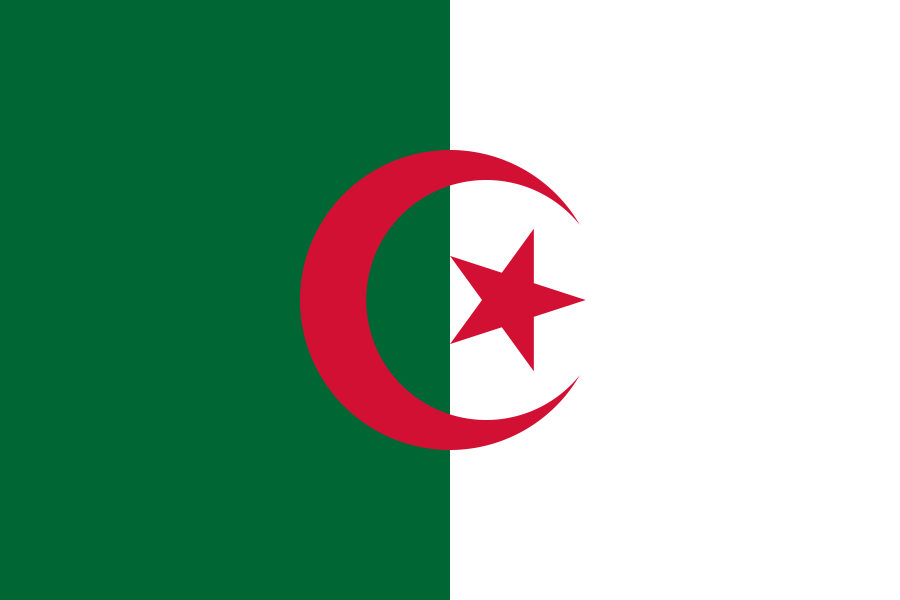
Bordj Bounaama, formerly known as Bordj Emir Abdelkader, is a town and commune located in the Tissemsilt Province of northern Algeria. The town is situated in the Tell Atlas mountain range, which provides a picturesque landscape and a strategic location.
Historical Background
-
Colonial Era: During French colonization, the town was part of the larger administrative reorganization of Algeria. The region itself was known for resistance against French occupation, with many local leaders and tribes participating in uprisings.
-
Algerian War of Independence (1954-1962): Bordj Bounaama, like many other regions in Algeria, was touched by the struggle for independence. The area's rugged terrain provided a strategic advantage for the National Liberation Front (FLN) forces, who used the mountains for guerrilla warfare. The town and its surroundings were scenes of various skirmishes and battles as part of the broader national struggle.
-
Post-Independence: After Algeria gained independence in 1962, the town was renamed from Bordj Emir Abdelkader to Bordj Bounaama to honor local figures or historical events significant to the area.
Notable Historical Figures
- Emir Abdelkader: Although not directly linked to Bordj Bounaama, Emir Abdelkader is a significant historical figure in Algerian history. He was a leader who resisted French colonization in the mid-19th century, and his influence is recognized throughout Algeria.
Landmarks and Cultural Heritage
-
Tell Atlas Mountains: The region's natural landscape is a major highlight, offering opportunities for hiking and experiencing Algeria's rich biodiversity.
-
Local Architecture: Like many Algerian towns, Bordj Bounaama features traditional North African architectural styles, with influences from both Berber and Arab cultures.
-
Cultural Events: The town hosts various cultural and traditional events, reflecting the unique blend of Berber and Arab influences that characterize the region.
Current Status
Bordj Bounaama today is a small town that serves as an administrative and commercial hub for the surrounding rural areas. It reflects the broader socio-economic trends of Algeria, with ongoing development projects aimed at improving infrastructure and living conditions.
Conclusion
Bordj Bounaama's history is intertwined with broader national narratives, including colonial resistance and the struggle for independence. While it may not be as widely recognized as some other Algerian towns, it holds a place in the tapestry of Algeria’s diverse cultural and historical landscape.
Information not available in more detail.