
Top hotels & flights
Hand-picked stays and the best fares into Bor.
Top Hotels in Bor
Top Flights to Bor
Location videos
Real reels from travelers, plus longer watches to get the full picture.
Practical info
The essentials for planning your time in Bor.


Local guide
What travelers love, what to watch for, and a deeper read on Bor.
What people love
Bor, located in eastern Serbia, is a town known primarily for its mining industry, specifically copper mining. While it may not be as prominent a tourist destination as other parts of Serbia, there are several aspects and attractions that can be considered pros for traveling to Bor:
-
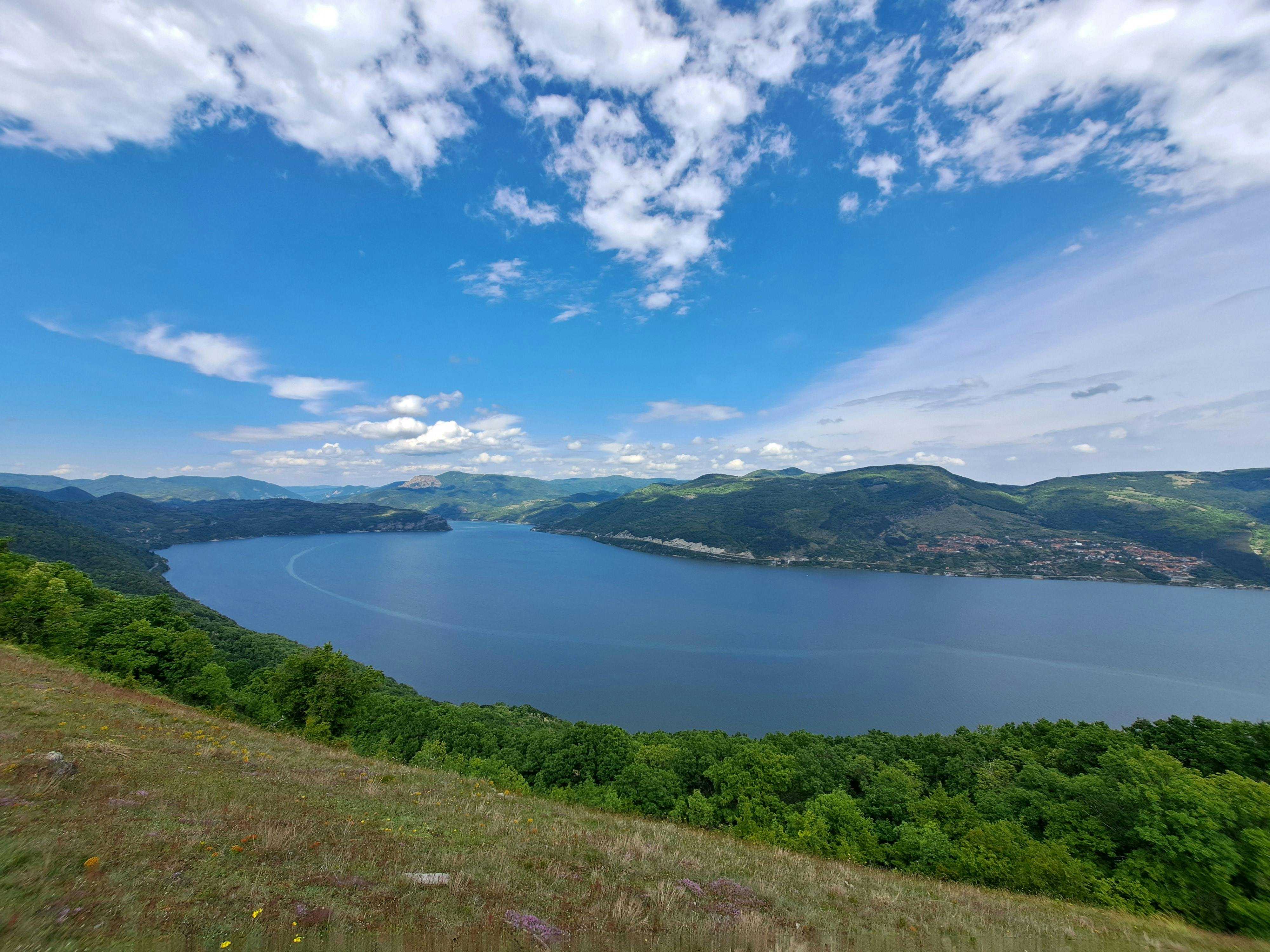
Natural Beauty and Outdoor Activities: The town is situated near the picturesque Bor Lake, which is a popular spot for swimming, fishing, and various water sports. The surrounding area is also great for hiking and enjoying the natural landscapes.
-
Cultural and Historical Sites: Bor offers a glimpse into Serbia's industrial heritage, particularly through its mining history. The Mining and Metallurgy Institute and the Mining Museum provide insights into the region's industrial past and present.
-
Proximity to Natural Parks: Bor is relatively close to the Đerdap National Park, which is home to the Iron Gate gorge on the Danube River. This park offers stunning views, diverse flora and fauna, and opportunities for hiking and exploring historical sites like Lepenski Vir, an important Mesolithic archaeological site.
-
Local Cuisine: Visitors can enjoy traditional Serbian food in Bor, which includes dishes like ćevapi, sarma, and various grilled meats. The local hospitality provides a chance to experience authentic Serbian culture and cuisine.
-
Off-the-Beaten-Path Experience: For travelers looking to explore places that are not crowded with tourists, Bor offers an opportunity to experience a part of Serbia that is less commercialized and more authentic.
-
Friendly Locals: The people in Bor are known for their hospitality and friendliness, making it a welcoming place for visitors.
While Bor may not offer the same level of tourist infrastructure as major cities like Belgrade or Novi Sad, it provides unique experiences that can be appealing to travelers interested in industrial history, nature, and local culture.
What to know
Bor, Serbia, is a town known for its mining industry, particularly copper mining. While it can be an interesting destination for those curious about industrial tourism and the local culture, there are several potential drawbacks to consider when traveling to Bor:
-
Environmental Concerns: Bor has a significant history of mining, which has led to environmental challenges. The area may have pollution issues related to mining activities, which could affect air and water quality.
-
Limited Tourist Infrastructure: Compared to more popular tourist destinations in Serbia, Bor may have limited tourist infrastructure. This could mean fewer accommodation options, restaurants, and entertainment venues, making it less convenient for travelers accustomed to a wide range of amenities.
-
Industrial Atmosphere: The town's economy is heavily dependent on the mining industry, which might give it an industrial atmosphere. This might not appeal to travelers looking for scenic landscapes or traditional tourist experiences.
-
Language Barrier: While English is spoken in many parts of Serbia, less touristy areas like Bor might have fewer English speakers, which could pose challenges for travelers who do not speak Serbian.
-
Limited Attractions: Bor is not a major tourist hub, so there might be fewer attractions and activities compared to more popular destinations. This could limit the options for things to do and see.
-
Accessibility: Depending on your starting point, Bor might be less accessible than other parts of Serbia. Limited public transport options could make it more challenging to reach compared to larger cities like Belgrade or Novi Sad.
While Bor does offer unique insights into Serbia's industrial sector and might appeal to those interested in mining history, these factors could be considered potential drawbacks for some travelers.