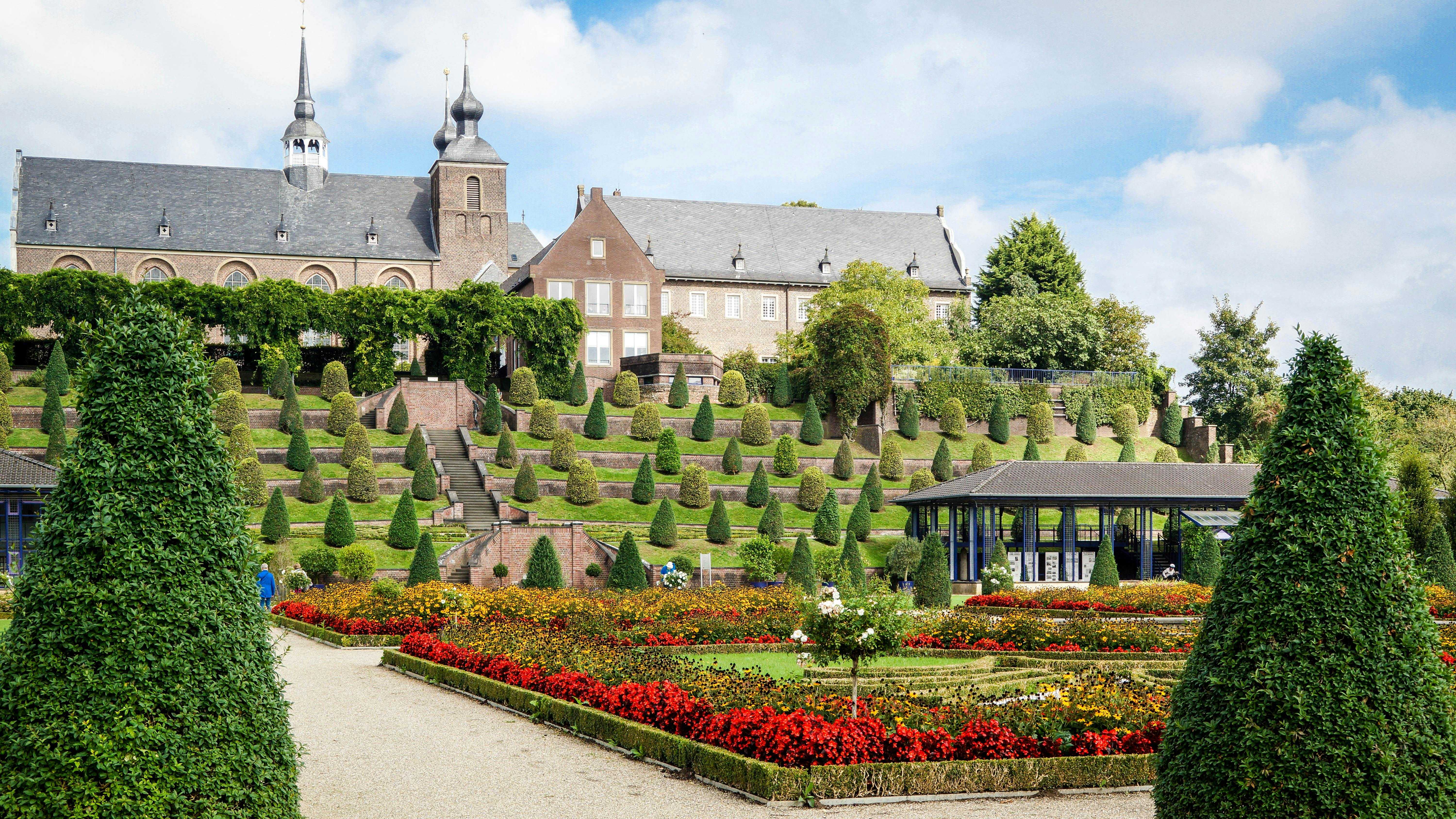

Bonn
· DE

Bonn

Bonn, North Rhine-Westphalia, Germany

Bonn: Where History Meets Vibrant Culture on the Rhine Nestled on the banks of the majestic Rhine River, Bonn, the former capital of West Germany, effortlessly blends historical grandeur with a youthful, vibrant atmosphe…

#Historic city#Rhine River#Beethoven's birthplace#Cultural hub#University town
1/2

Top hotels & flights

Hand-picked stays and the best fares into Bonn.

Top Hotels in Bonn

Top Flights to Bonn

Location videos

Real reels from travelers, plus longer watches to get the full picture.

Watch & explore

Practical info

The essentials for planning your time in Bonn.

Currency
€ | EUR | Euro
Population
Information not available.
Languages
German, German
Average weather
Bonn
Jan
cold
5°0°
Feb
cold
6°0°
Mar
cloud
10°2°
Apr
rain
14°5°
May
sun
19°9°
Jun
sun
22°13°
Jul
sun
24°15°
Aug
sun
24°14°
Sep
cloud
20°11°
Oct
rain
14°7°
Nov
cloud
9°3°
Dec
cold
6°1°

Local guide

What travelers love, what to watch for, and a deeper read on Bonn.

What people love

Bonn, located in North Rhine-Westphalia, Germany, offers a variety of attractions and benefits for travelers. Some of the pros of traveling to Bonn include:

  1. Rich history: Bonn is a city with a long and rich history, being the birthplace of Beethoven and formerly the capital of West Germany. Visitors can explore historical sites such as Beethoven's birthplace, the Bonn Minster, and the Electoral Palace.

  2. Cultural experiences: Bonn is known for its vibrant cultural scene, with numerous museums, art galleries, and theaters to explore. The city hosts various cultural events and festivals throughout the year, offering visitors a chance to immerse themselves in the local arts and culture.

  3. Scenic beauty: Bonn is situated on the banks of the Rhine River, offering picturesque views and opportunities for scenic walks or boat cruises. The city is also surrounded by lush greenery and parks, providing a peaceful escape from the urban hustle and bustle.

  4. Convenient location: Bonn is well-connected by public transportation, making it easy to explore other cities in the region such as Cologne and Dusseldorf. The city is also a gateway to the nearby Eifel National Park, offering outdoor enthusiasts the chance to hike, bike, or explore nature.

  5. Culinary delights: Bonn boasts a diverse culinary scene, with a mix of traditional German cuisine and international dining options. Visitors can enjoy delicious local specialties such as schnitzel, sausages, and regional wines.

Overall, traveling to Bonn offers a mix of history, culture, natural beauty, and culinary experiences, making it a delightful destination for travelers to explore.

What to know

Some potential cons of traveling to Bonn, Germany could include:

  1. Weather: Bonn can experience unpredictable weather patterns, including cold winters and rainy summers. Travelers may need to pack accordingly and be prepared for sudden changes in weather.

  2. Language Barrier: While many people in Bonn speak English, the primary language is German. Travelers who do not speak German may encounter difficulties in communication, especially in more remote areas.

  3. Cost of Living: Bonn is known to be a relatively expensive city compared to other parts of Germany. Travelers should budget accordingly for accommodations, dining, and transportation.

  4. Limited Nightlife: Bonn is not as well-known for its nightlife compared to other cities in Germany like Berlin or Munich. Travelers looking for a vibrant nightlife scene may find Bonn to be relatively quiet in the evenings.

  5. Limited Tourist Attractions: While Bonn has a rich history and cultural heritage, it may have fewer tourist attractions compared to larger German cities. Travelers who are looking for a wide variety of activities and sights may find their options more limited in Bonn.

Overall, while Bonn is a charming city with much to offer, travelers should be aware of these potential drawbacks when planning their trip.

Bonn, located in North Rhine-Westphalia, Germany, has a rich and diverse history that spans over two millennia. Here is a detailed overview:

Ancient and Medieval Periods

  • 1st Century BC: The history of Bonn dates back to Roman times when it was known as "Bonna." A Roman settlement was established here, serving as a military post.
  • 9th Century: Bonn became a significant Frankish settlement. It was mentioned as "Villa Basilica" in an 804 document by Charlemagne.
  • 11th Century: The city gained prominence as the residence of the electors and archbishops of Cologne.
  • 1244: Bonn was granted the status of a city.

Early Modern Period

  • 1597-1794: Bonn served as the capital of the Electorate of Cologne. During this time, the city saw significant architectural developments, including baroque buildings and palaces.
  • 1770: The famous composer Ludwig van Beethoven was born in Bonn. His birthplace is now a museum and one of the city's key cultural landmarks.

19th Century

  • 1815: Following the Congress of Vienna, Bonn became part of the Kingdom of Prussia.
  • 1818: The University of Bonn was established, which became one of Germany's most prestigious universities. Its alumni include numerous Nobel laureates and significant historical figures.

20th Century

  • 1933-1945: During the Nazi regime, like many German cities, Bonn suffered during World War II. It was heavily bombed, and many historic buildings were destroyed.
  • 1949: After World War II, Bonn was chosen as the provisional capital of West Germany. This decision transformed the small city into a political hub and spurred significant development.
  • 1951: The Palais Schaumburg became the official residence of the Chancellor of West Germany.
  • 1969: The city of Bonn underwent territorial expansion, incorporating surrounding towns and villages to become a major urban area.

Late 20th Century to Present

  • 1990: With the reunification of Germany, Berlin was selected as the capital. However, Bonn retained a significant political presence, hosting several federal ministries and institutions.
  • 1994: The Berlin/Bonn Act maintained Bonn as a secondary seat of government.
  • 2000s: Bonn has emphasized its role in international cooperation and sustainability, becoming a center for the United Nations and various international organizations.

Significant Landmarks

  • Beethoven House: The birthplace of Ludwig van Beethoven, now a museum dedicated to his life and works.
  • University of Bonn: Known for its research and historic buildings, including the Poppelsdorf Palace and the main building, a former residence of the Electorate.
  • Drachenfels Castle: Located nearby in the Siebengebirge, it offers historical significance and panoramic views of the Rhine Valley.
  • Bonn Minster: One of Germany's oldest churches, with origins dating back to Roman times.
  • Museum Mile: A collection of museums including the Art and Exhibition Hall of the Federal Republic of Germany and the Bonn Museum of Modern Art.

Bonn today is a vibrant city known for its cultural heritage, academic excellence, and role as a hub for international diplomacy and cooperation.