
Bom Jesus do Itabapoana
· BR

Bom Jesus do Itabapoana

Bom Jesus do Itabapoana, Rio de Janeiro, Brazil

Bom Jesus do Itabapoana, located in Rio de Janeiro, Brazil, is a charming destination that offers a mix of natural beauty, cultural richness, and historical significance. This picturesque town is nestled amidst lush gree…

#small town#Rio de Janeiro#Brazil#peaceful#scenic
1/5

Top hotels & flights

Hand-picked stays and the best fares into Bom Jesus do Itabapoana.

Top Hotels in Bom Jesus do Itabapoana

Top Flights to Bom Jesus do Itabapoana

Location videos

Real reels from travelers, plus longer watches to get the full picture.

From travelers
Watch & explore

Practical info

The essentials for planning your time in Bom Jesus do Itabapoana.

Currency
R$ | BRL | Brazilian Real
Population
Not Available
Languages
Portuguese, Portuguese
Average weather
Bom Jesus do Itabapoana
Jan
hot
33°22°
Feb
hot
33°22°
Mar
rain
32°21°
Apr
rain
30°19°
May
cloud
28°17°
Jun
clear
27°16°
Jul
clear
27°15°
Aug
clear
28°16°
Sep
sun
29°17°
Oct
sun
30°19°
Nov
rain
31°20°
Dec
hot
32°21°

Local guide

What travelers love, what to watch for, and a deeper read on Bom Jesus do Itabapoana.

What people love

Bom Jesus do Itabapoana is a municipality located in the state of Rio de Janeiro, Brazil. While it may not be as famous as some of the state's more prominent tourist destinations, there are several advantages to visiting this area:

  1. Cultural Experience: Bom Jesus do Itabapoana offers a glimpse into the local Brazilian culture that is distinct from the more urbanized areas like Rio de Janeiro City. Visitors can experience the traditional lifestyle, local festivals, and customs.

  2. Natural Beauty: The surrounding region is known for its scenic landscapes, including rolling hills and lush greenery. This makes it an attractive spot for nature lovers and those who enjoy outdoor activities like hiking and exploring rural landscapes.

  3. Agritourism: The area is known for its agricultural activities, and visitors may have the opportunity to visit farms and learn about local agricultural practices. This can be an enriching experience for those interested in agritourism.

  4. Local Cuisine: Travelers can enjoy local Brazilian cuisine, which often features fresh, locally-sourced ingredients. Trying local dishes and experiencing the culinary traditions of the region can be a highlight for food enthusiasts.

  5. Community and Tranquility: Unlike bustling urban centers, Bom Jesus do Itabapoana provides a more relaxed and peaceful environment. This can be ideal for travelers looking to unwind and escape the hustle and bustle of city life.

  6. Historical Sites: The region may have historical sites and architecture that reflect its past. Exploring these can provide insights into the area's history and development.

Overall, visiting Bom Jesus do Itabapoana can offer a unique and authentic Brazilian experience, away from the typical tourist hotspots, allowing travelers to connect with the country's culture and natural beauty in a more intimate setting.

What to know

Information not available.

Bom Jesus do Itabapoana is a municipality located in the state of Rio de Janeiro, Brazil. It is situated in the southeastern part of the country, near the border with the state of Espírito Santo. The town is named after the Bom Jesus (Good Jesus) and the Itabapoana River, which flows through the region.

Historical Overview

Foundation and Development:

  • Bom Jesus do Itabapoana was founded in the late 19th century. The area's initial settlement was influenced by the coffee boom, which attracted many settlers seeking fertile lands for agriculture.
  • It became an official municipality on December 11, 1890, when it was separated from the municipality of Campos dos Goytacazes.

Economic Growth:

  • The town developed primarily as an agricultural hub, with coffee being the most significant crop during its early history. This growth was facilitated by the fertile lands of the region and the presence of the Itabapoana River, which provided a means of transport and irrigation.
  • In addition to coffee, other crops and cattle farming also contributed to the local economy over the years.

Cultural and Social Development:

  • The town has a rich cultural history, with traditional festivals and religious events playing an essential role in the community. The Catholic Church has had a significant influence on the town's cultural life.
  • The Festa de Agosto, a traditional festival held annually in August, is one of the most significant cultural events in Bom Jesus do Itabapoana. It features religious processions, cultural presentations, and various social activities.

Significant Landmarks

Church of Bom Jesus:

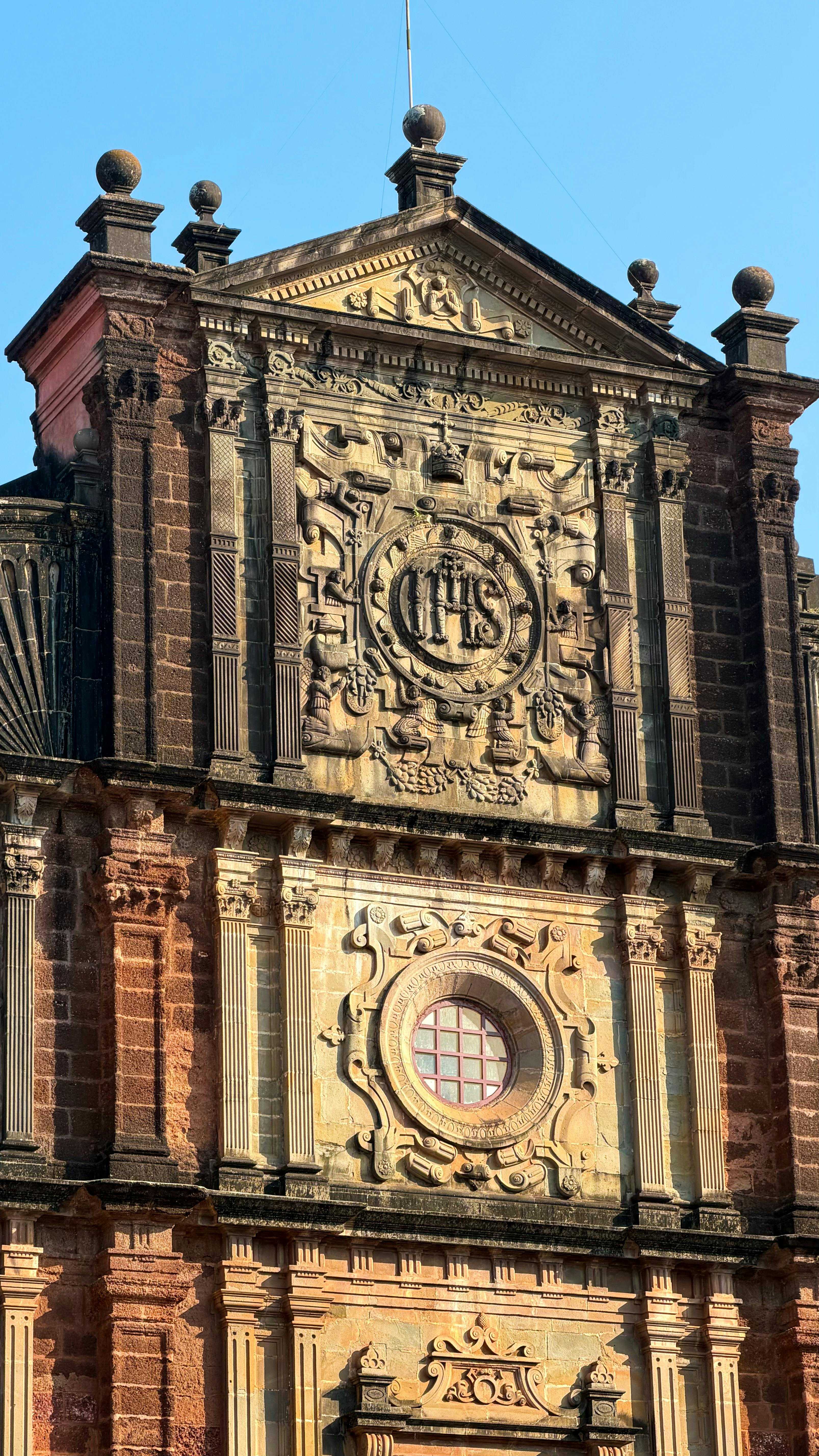
  • The Church of Bom Jesus is one of the most important religious landmarks in the municipality. It serves as a central place of worship and a symbol of the town's religious heritage.

Itabapoana River:

  • The Itabapoana River is a vital geographical feature of the region, providing water resources and contributing to the development of agriculture and transport.

Historical Buildings:

  • There are several historical buildings in the town, reflecting the architectural styles of the late 19th and early 20th centuries. These buildings often serve as reminders of the town's past and its cultural evolution.

Notable Figures

  • While there are no widely recognized historical figures from Bom Jesus do Itabapoana on a national level, the town has produced many individuals who have contributed to its local development in various fields such as agriculture, politics, and education.

Modern Developments

  • Today, Bom Jesus do Itabapoana continues to thrive with a diversified economy that includes agriculture, commerce, and services. The town is known for its friendly community, cultural richness, and picturesque landscapes.

Unfortunately, due to the limited availability of specific historical records and notable figures, the information provided here focuses on general historical and cultural aspects of Bom Jesus do Itabapoana. For more detailed and specific historical data, local archives or historical societies may offer additional insights.