
Blackpool
· GB

Blackpool

Blackpool, Blackpool, United Kingdom

Blackpool: Where Tradition Meets Thrills on the Fylde Coast Blackpool, a vibrant seaside town nestled on the Lancashire coast, is a legendary British holiday destination that effortlessly blends Victorian charm with mode…

#seaside town#tourist destination#entertainment#amusement parks#beachfront
1/17

Top hotels & flights

Hand-picked stays and the best fares into Blackpool.

Top Hotels in Blackpool

Top Flights to Blackpool

Location videos

Real reels from travelers, plus longer watches to get the full picture.

From travelers
Watch & explore

Practical info

The essentials for planning your time in Blackpool.

Currency
£ | GBP | Pound Sterling
Population
The approximate estimated total population of Blackpool, United Kingdom is '139,000'.
Average weather
Blackpool
Jan
rain
6°2°
Feb
rain
7°2°
Mar
cloud
9°3°
Apr
cloud
11°4°
May
cloud
14°7°
Jun
cloud
17°10°
Jul
sun
19°12°
Aug
sun
19°12°
Sep
cloud
17°10°
Oct
rain
14°8°
Nov
rain
10°5°
Dec
rain
7°3°

Local guide

What travelers love, what to watch for, and a deeper read on Blackpool.

What people love

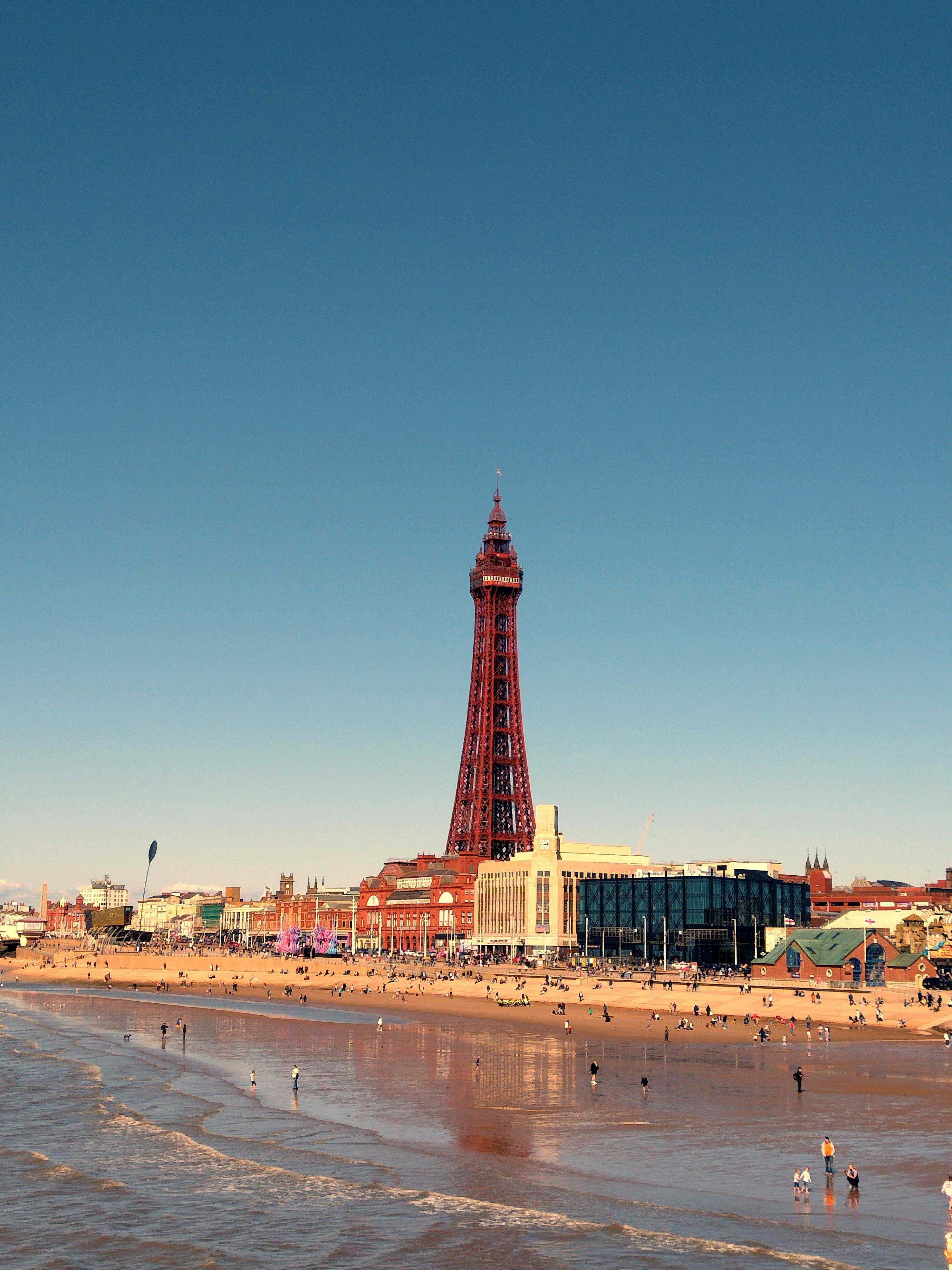
Blackpool, located in the United Kingdom, is a popular tourist destination known for its iconic Blackpool Tower, beautiful coastline, and vibrant entertainment options. Here are some pros of traveling to Blackpool:

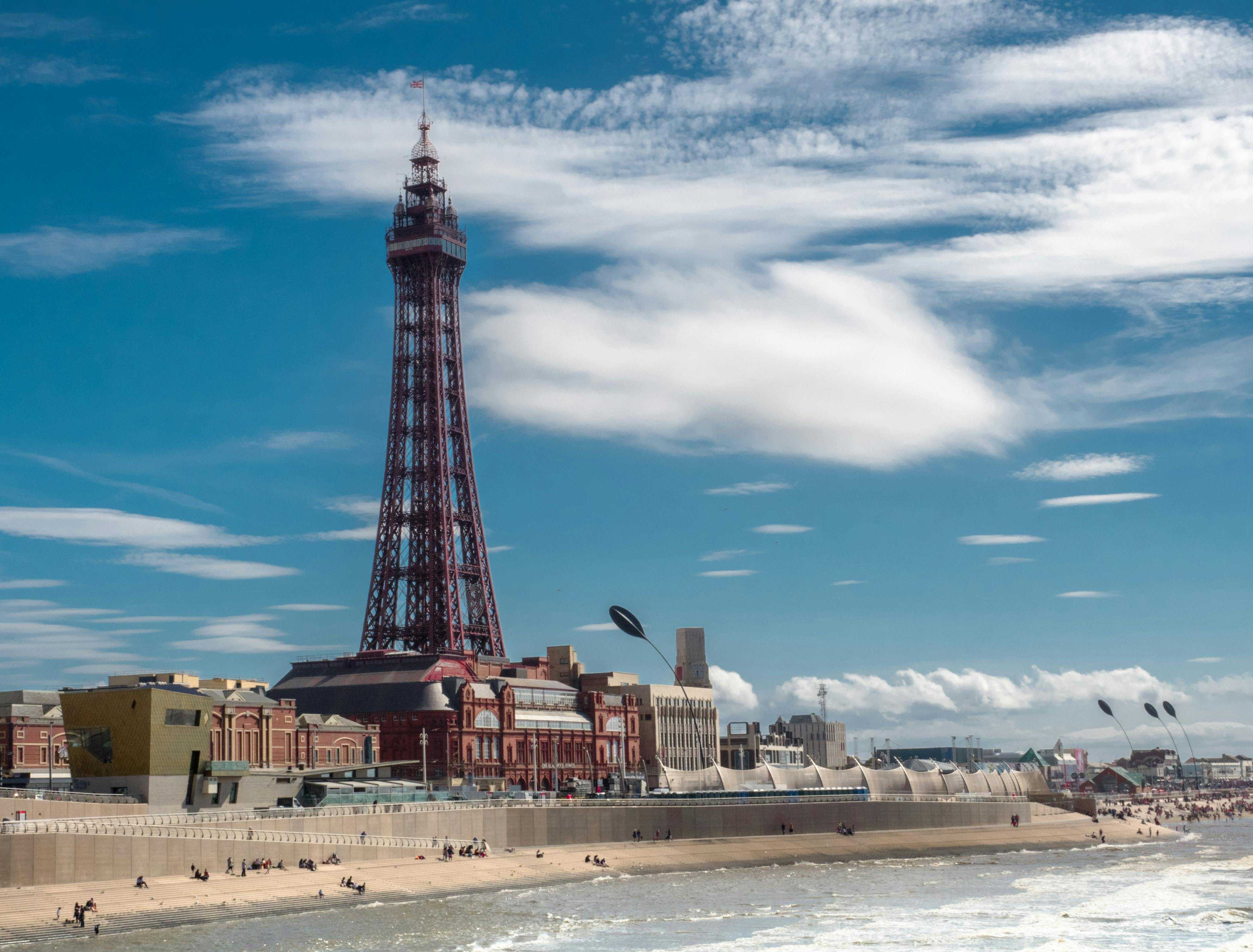
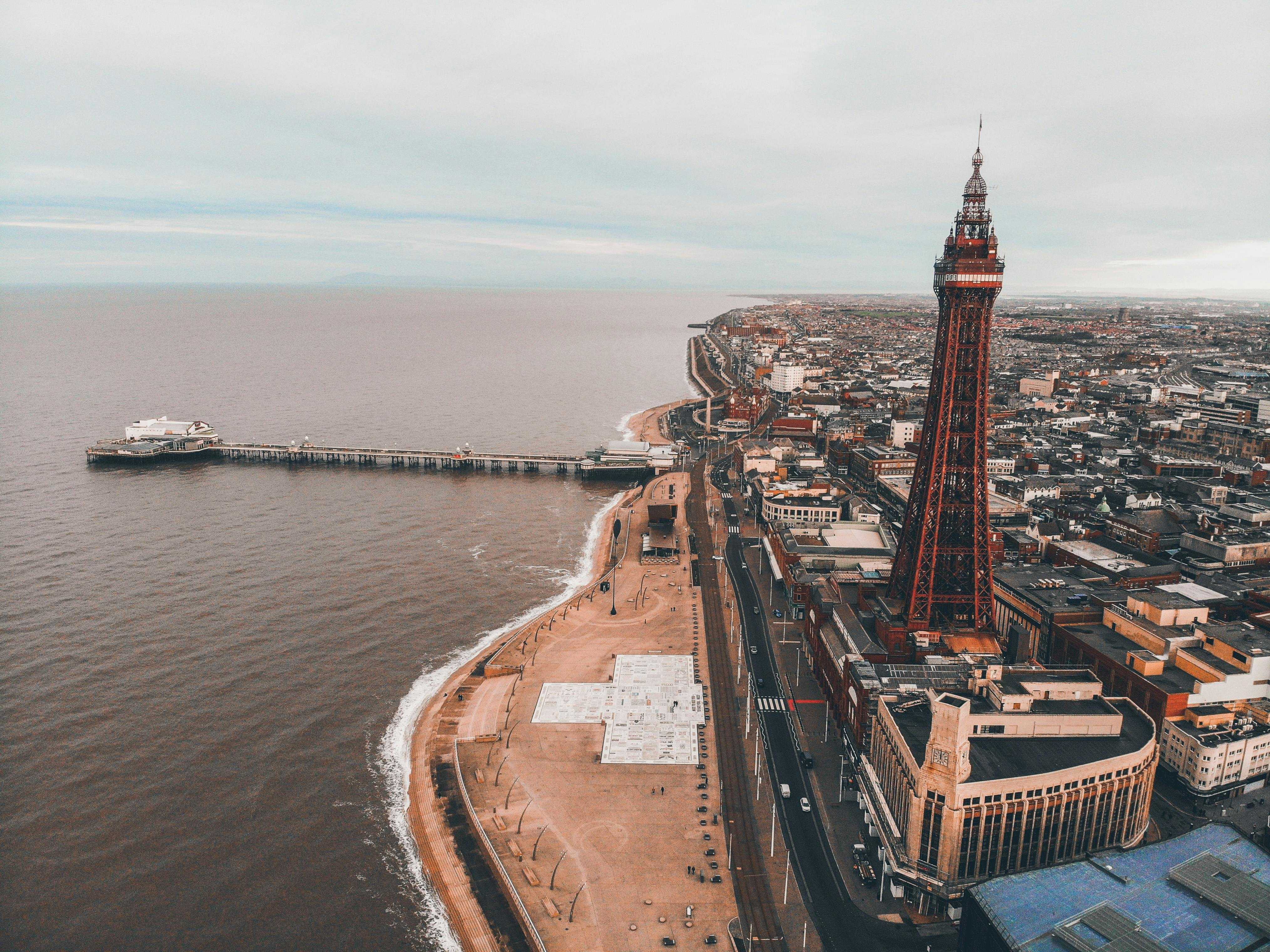
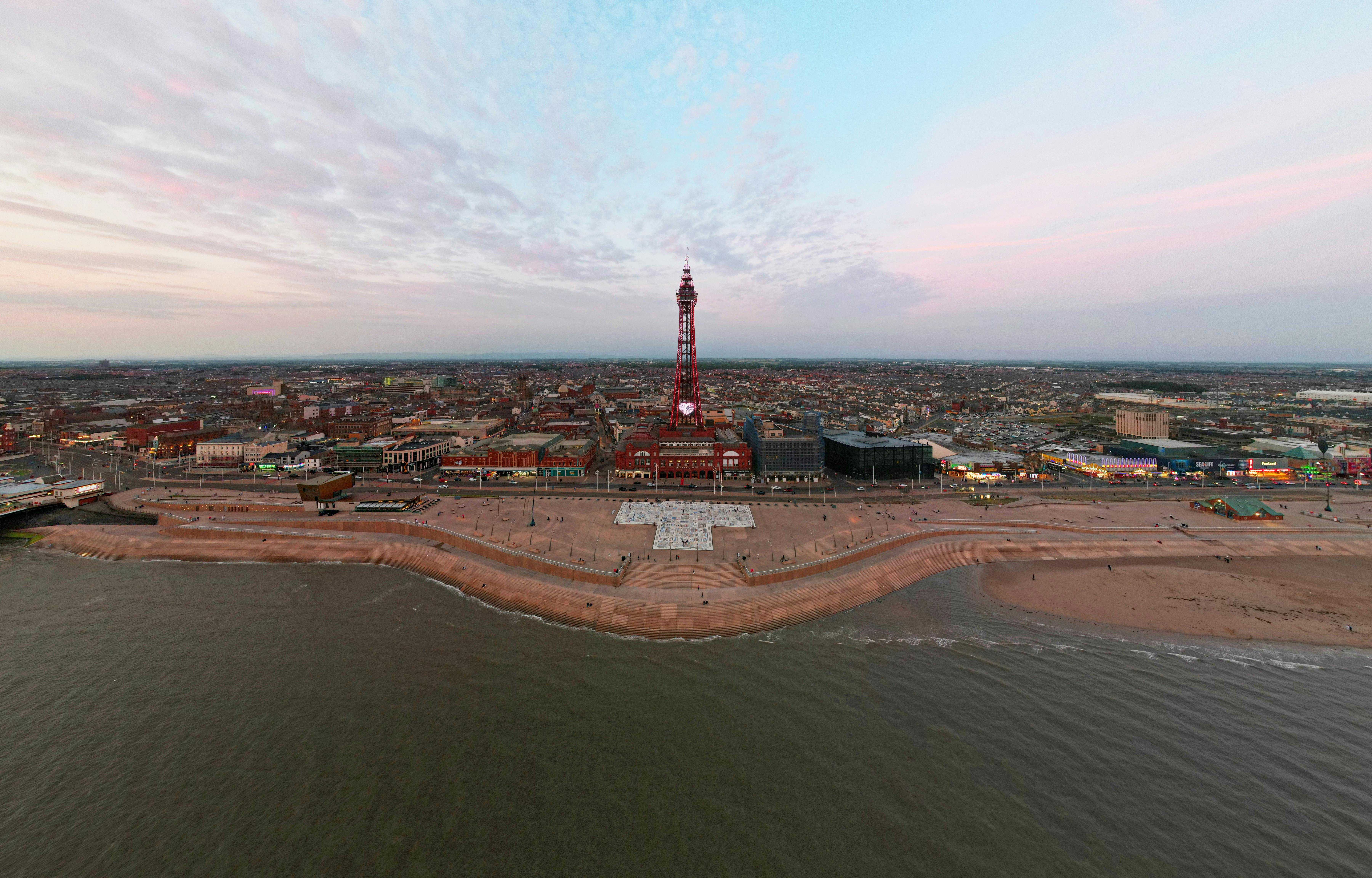
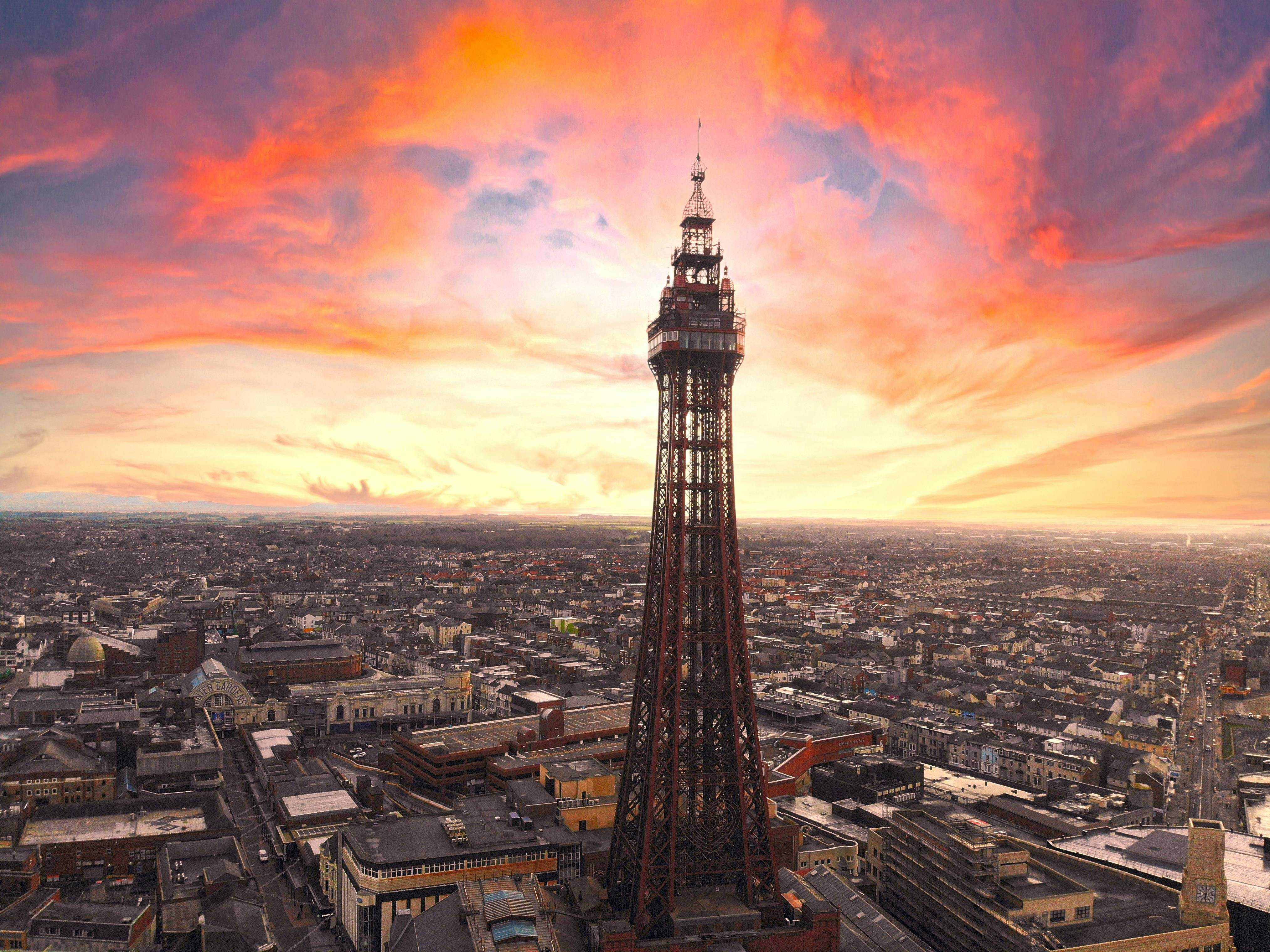
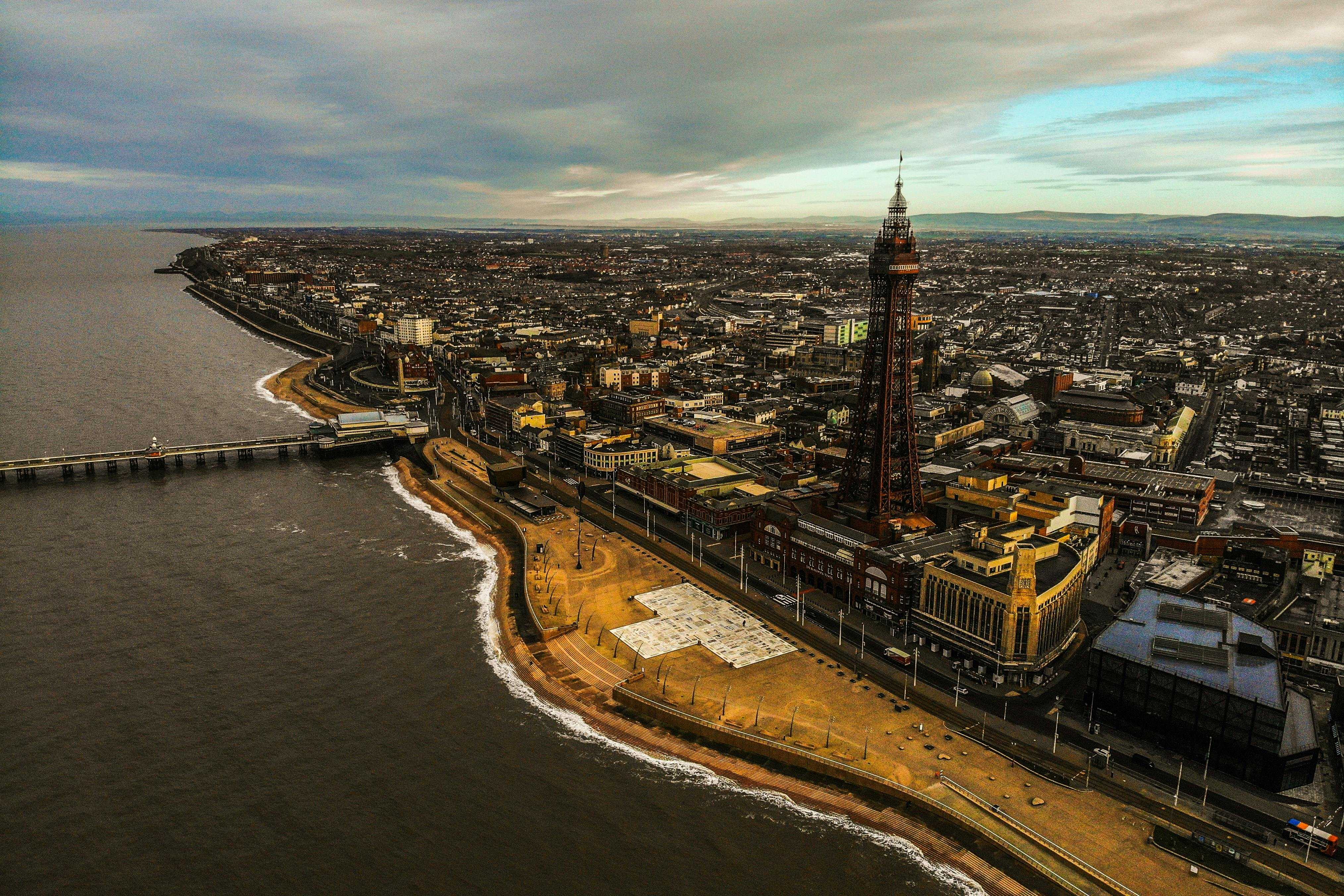
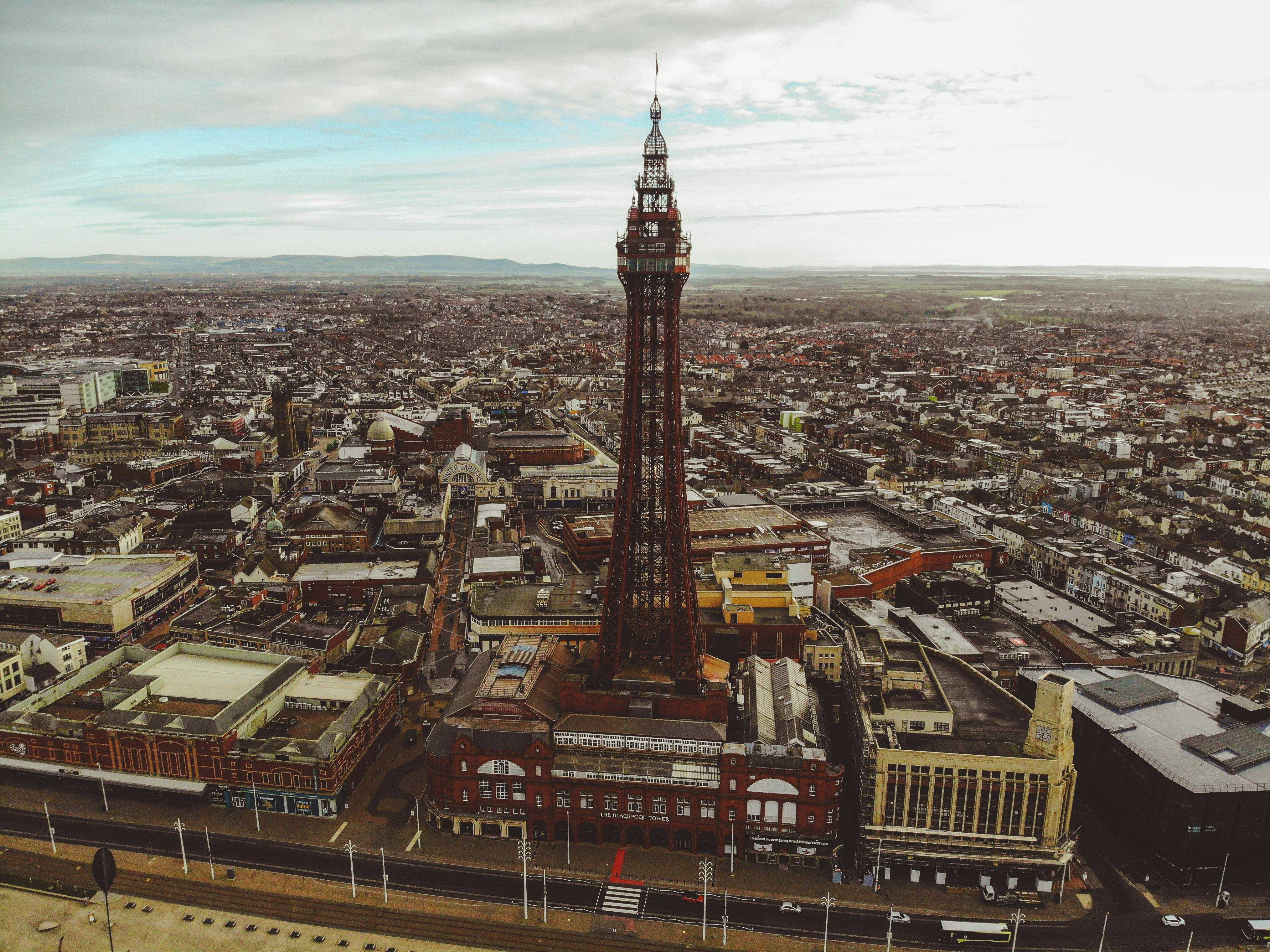
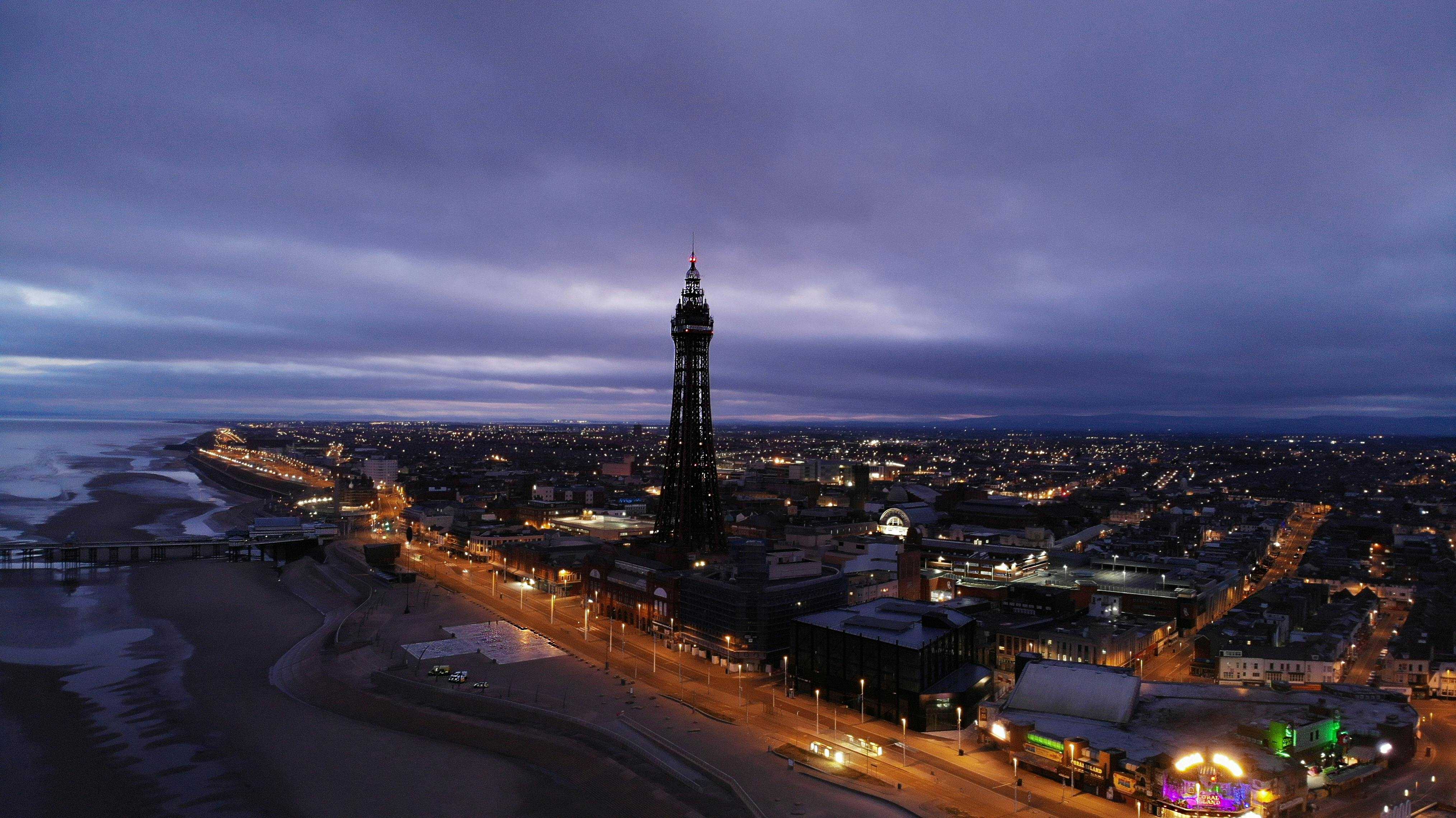
  1. Blackpool Tower: One of the most famous landmarks in Blackpool, the Blackpool Tower offers stunning panoramic views of the town and the Irish Sea from its observation deck. Visitors can also enjoy the Tower Ballroom, Circus, and Jungle Jim's indoor play area.

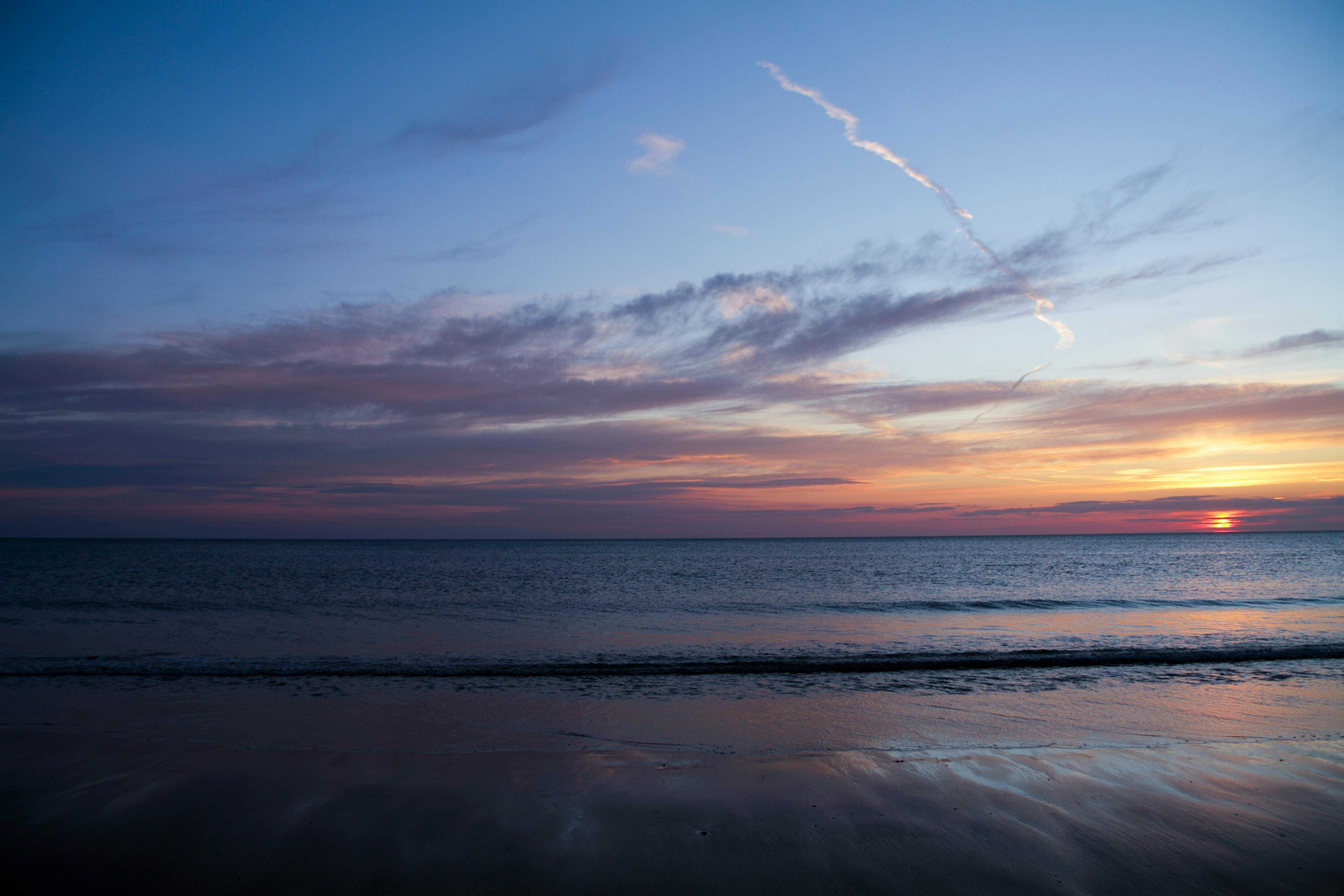
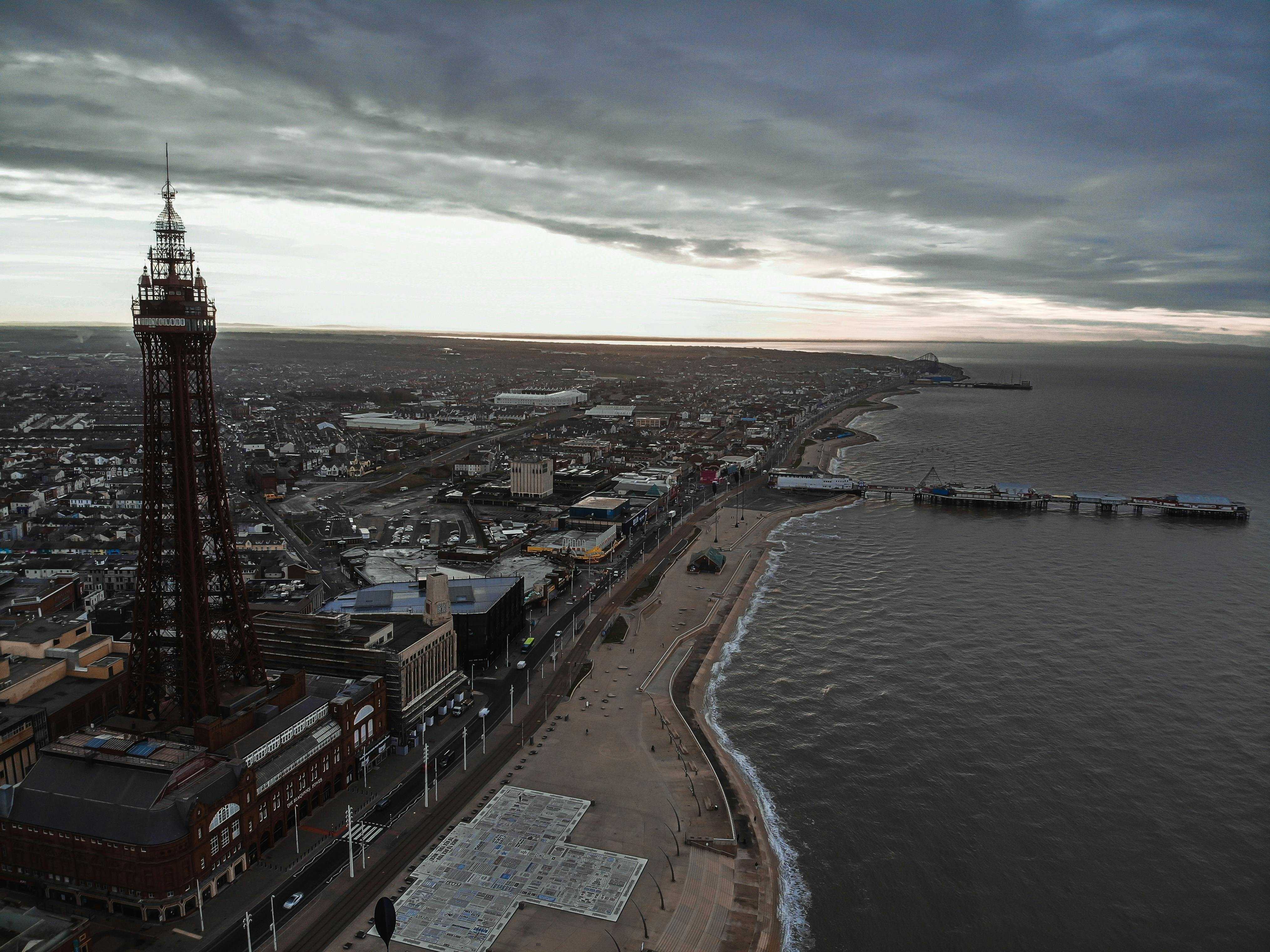
  2. Seaside Attractions: Blackpool boasts a long sandy beach and a lively seafront promenade with plenty of attractions for visitors of all ages. From amusement arcades and fairground rides to donkey rides and traditional fish and chips, there is something for everyone to enjoy.

  3. Entertainment: Blackpool is renowned for its entertainment scene, with numerous theaters, music venues, and comedy clubs offering a variety of shows and performances throughout the year. The town also hosts several major events and festivals, such as the Blackpool Illuminations, which light up the promenade from late summer to early autumn.

  4. Family-Friendly: Blackpool is a family-friendly destination with a range of attractions suitable for children, including the Sandcastle Waterpark, Blackpool Zoo, and the Blackpool Model Village & Gardens. Families can also enjoy the Pleasure Beach amusement park, home to thrilling rides and attractions.

  5. Nightlife: Blackpool has a lively nightlife scene with a wide selection of bars, pubs, and clubs catering to different tastes. Whether you're looking for a quiet drink by the sea or a night of dancing and live music, Blackpool has options to suit every preference.

  6. Cultural Heritage: Beyond its modern attractions, Blackpool also has a rich cultural heritage, with historic buildings, museums, and art galleries waiting to be explored. Visitors can learn about the town's Victorian past, its role in the development of British seaside resorts, and its connections to popular culture.

Overall, Blackpool offers a diverse range of activities and attractions that make it a popular destination for travelers seeking a mix of entertainment, culture, and seaside relaxation.

What to know

Some potential cons of traveling to Blackpool, United Kingdom, could include:

  1. Weather: Blackpool is known for its typically rainy and windy weather, which may not be ideal for those seeking sunny and warm conditions.

  2. Crowds: Blackpool is a popular tourist destination, especially during the peak summer months. This can lead to crowded attractions, beaches, and accommodations.

  3. Noise: Blackpool is known for its vibrant nightlife and entertainment scene, which may result in noise pollution in certain areas, particularly at night.

  4. Limited cultural attractions: While Blackpool offers a range of entertainment options, it may not have as many cultural or historical attractions compared to other cities in the UK.

  5. Seasonal fluctuations: Some attractions and businesses in Blackpool may have limited operating hours or may be closed during the off-peak season, particularly in the winter months.

It's important to note that these potential cons may vary depending on individual preferences and travel expectations. It's always a good idea to research further and consider personal preferences before planning a trip to Blackpool.

Blackpool is a coastal town located in Lancashire, England, along the Irish Sea. Its history is rich and varied, marked by its development as a major seaside resort during the 19th and 20th centuries.

Early History:

  • The area around Blackpool was sparsely populated until the Middle Ages. The name "Blackpool" is derived from a historic drainage channel that ran over a peat bog, which discolored the water and made it appear black.
  • In the 16th and 17th centuries, Blackpool was a small hamlet by the sea, primarily used for agriculture and fishing.

18th Century:

  • Blackpool began to gain prominence in the mid-18th century as sea bathing became popular among the aristocracy as a health treatment.
  • In 1781, Thomas Clifton and Sir Henry Hoghton, with the help of a local businessman named John Cocker, financed a turnpike road to Blackpool, making it more accessible.

19th Century:

  • The town's real transformation into a major holiday destination began in the early 19th century with the construction of the Lancaster Canal in 1799 and the arrival of the railway in 1846, which brought visitors from industrial Lancashire and Yorkshire.
  • Blackpool Tower, one of the town's most iconic landmarks, was opened in 1894. It was inspired by the Eiffel Tower in Paris and became a symbol of Blackpool's status as a leisure destination.
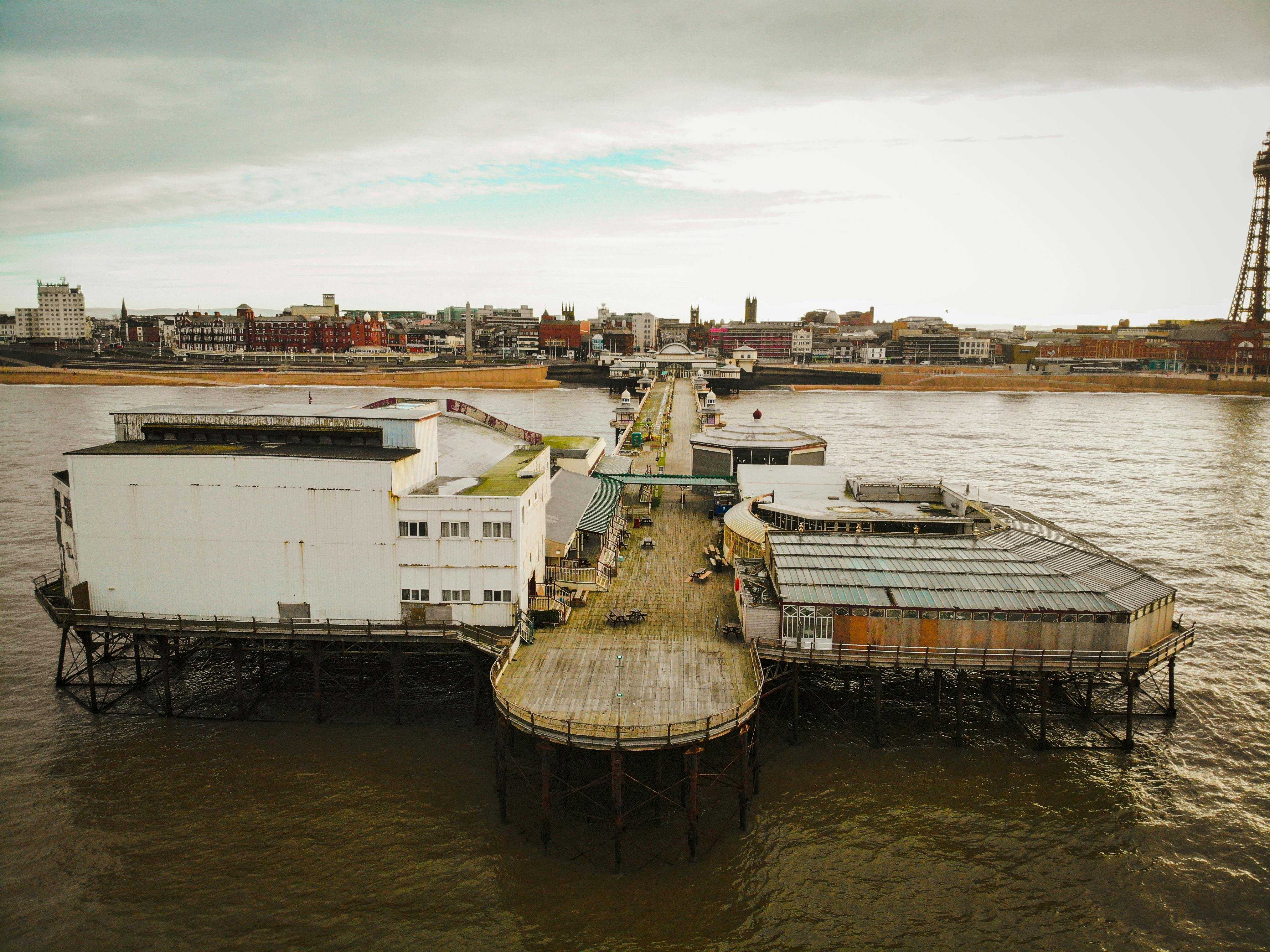
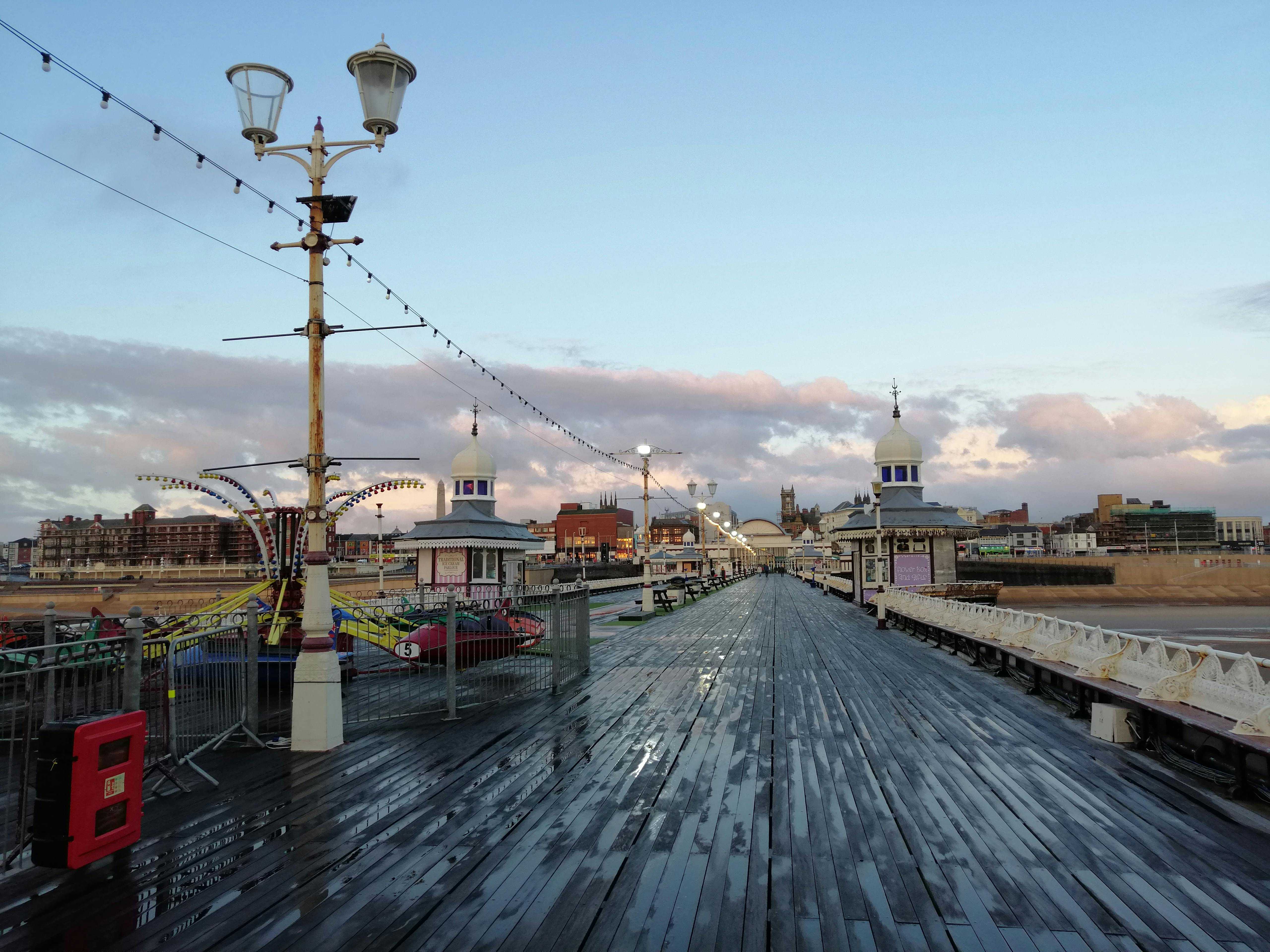
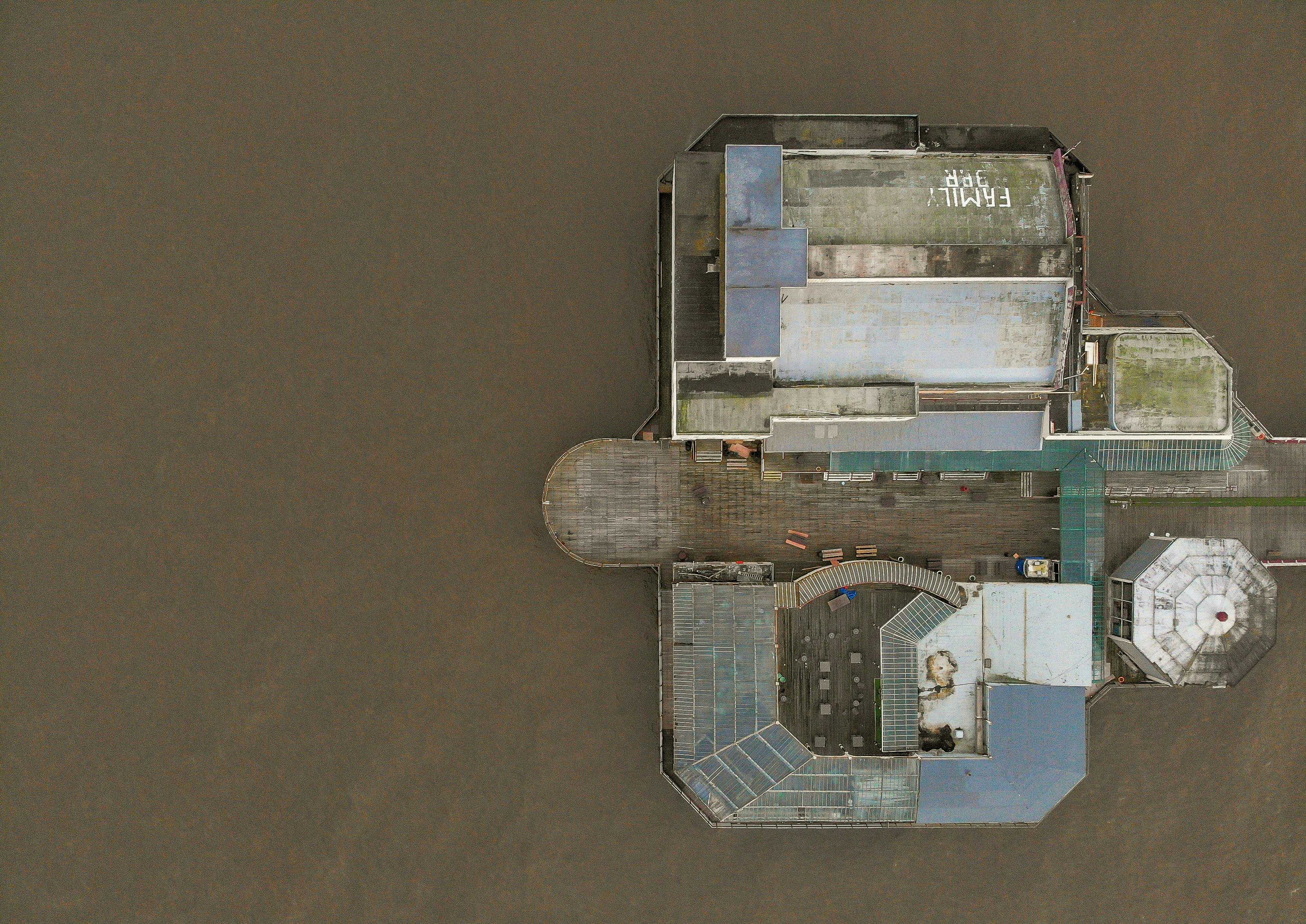
  • The North Pier, the first of Blackpool’s three piers, opened in 1863. The Central Pier followed in 1868, and the South Pier was completed in 1893.

20th Century:

  • In the early 20th century, Blackpool continued to grow as a popular holiday resort. The Winter Gardens, a large entertainment complex, was a focal point of the town's cultural life.
  • The Blackpool Illuminations, first held in 1879, became an annual event and a significant attraction, drawing millions of visitors to see the lights.
  • During World War II, Blackpool was used as a training ground for RAF pilots, and its tourism industry saw a decline as travel was restricted.

Post-War Period:

  • After the war, Blackpool experienced a boom in tourism as travel restrictions were lifted. The town was a favorite holiday spot for working-class families from the north of England.
  • The 1950s and 1960s were considered the "golden era" of Blackpool's tourism, with attractions like the Pleasure Beach amusement park drawing large crowds.

Late 20th Century to Present:

  • The rise of package holidays abroad in the 1970s and 1980s led to a decline in Blackpool's traditional visitor base.
  • In response, Blackpool has sought to diversify its attractions, modernize its facilities, and promote itself as a destination for conferences and events.
  • Recent developments include the refurbishment of the Blackpool Tower and Winter Gardens, as well as the construction of new hotels and attractions.

Notable Landmarks:

  • Blackpool Tower: Opened in 1894, it includes a circus, ballroom, and observation deck.
  • The Three Piers: North, Central, and South Piers offer amusements, theatres, and entertainment facilities.
  • The Winter Gardens: A large entertainment complex with theatres, ballrooms, and conference facilities.
  • Blackpool Pleasure Beach: One of the UK's top amusement parks, featuring iconic rides like The Big One roller coaster.
  • Blackpool Illuminations: An annual lights festival stretching along the Promenade.

Significant Figures:

  • Sir Hiram Maxim: Inventor and engineer who established the Maxim Gun Company in Blackpool during the late 19th century.
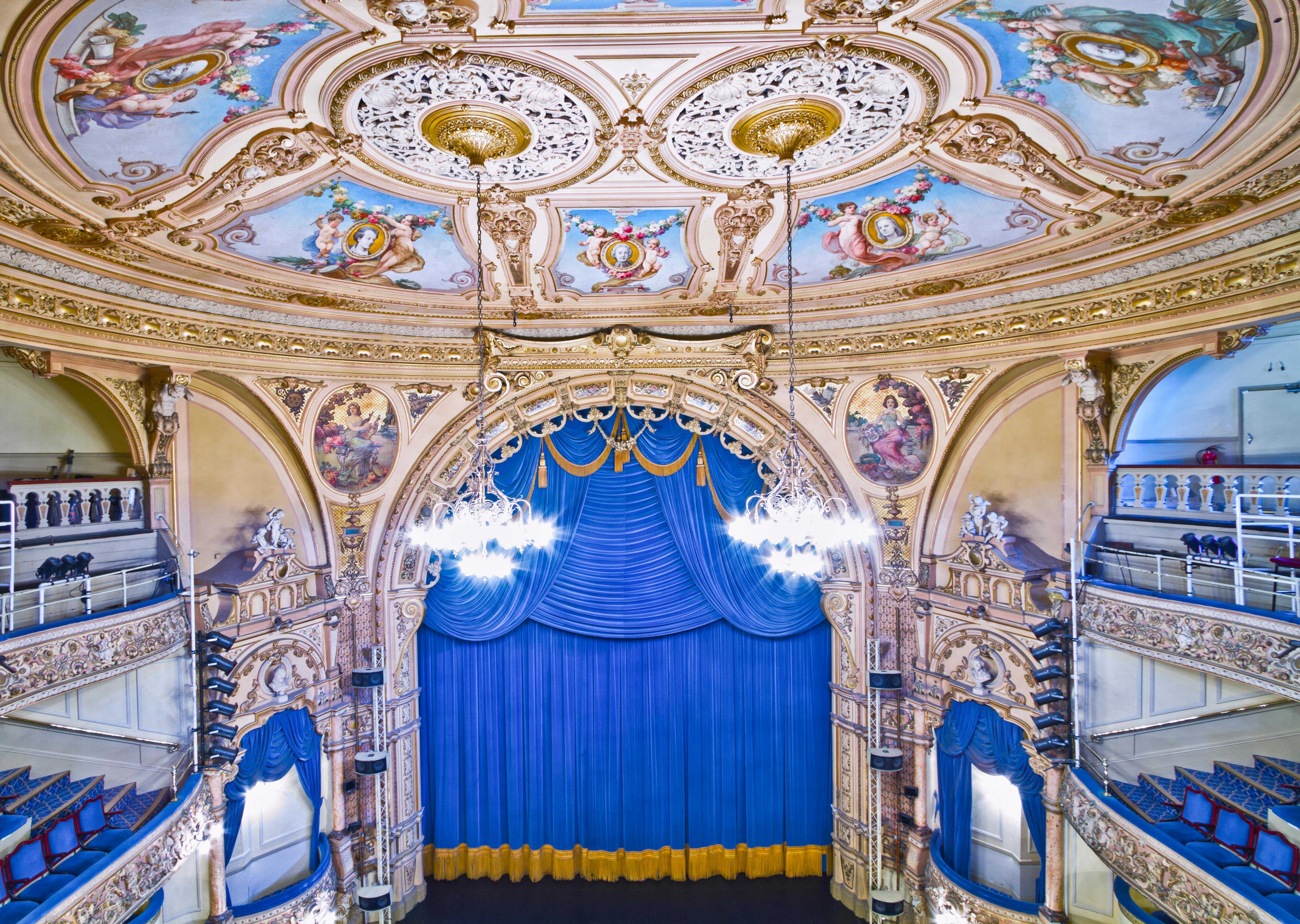
  • Frank Matcham: An architect responsible for designing the Grand Theatre, one of the finest remaining examples of his work.

Blackpool continues to be a popular tourist destination with efforts underway to rejuvenate and adapt to changing tourism trends.