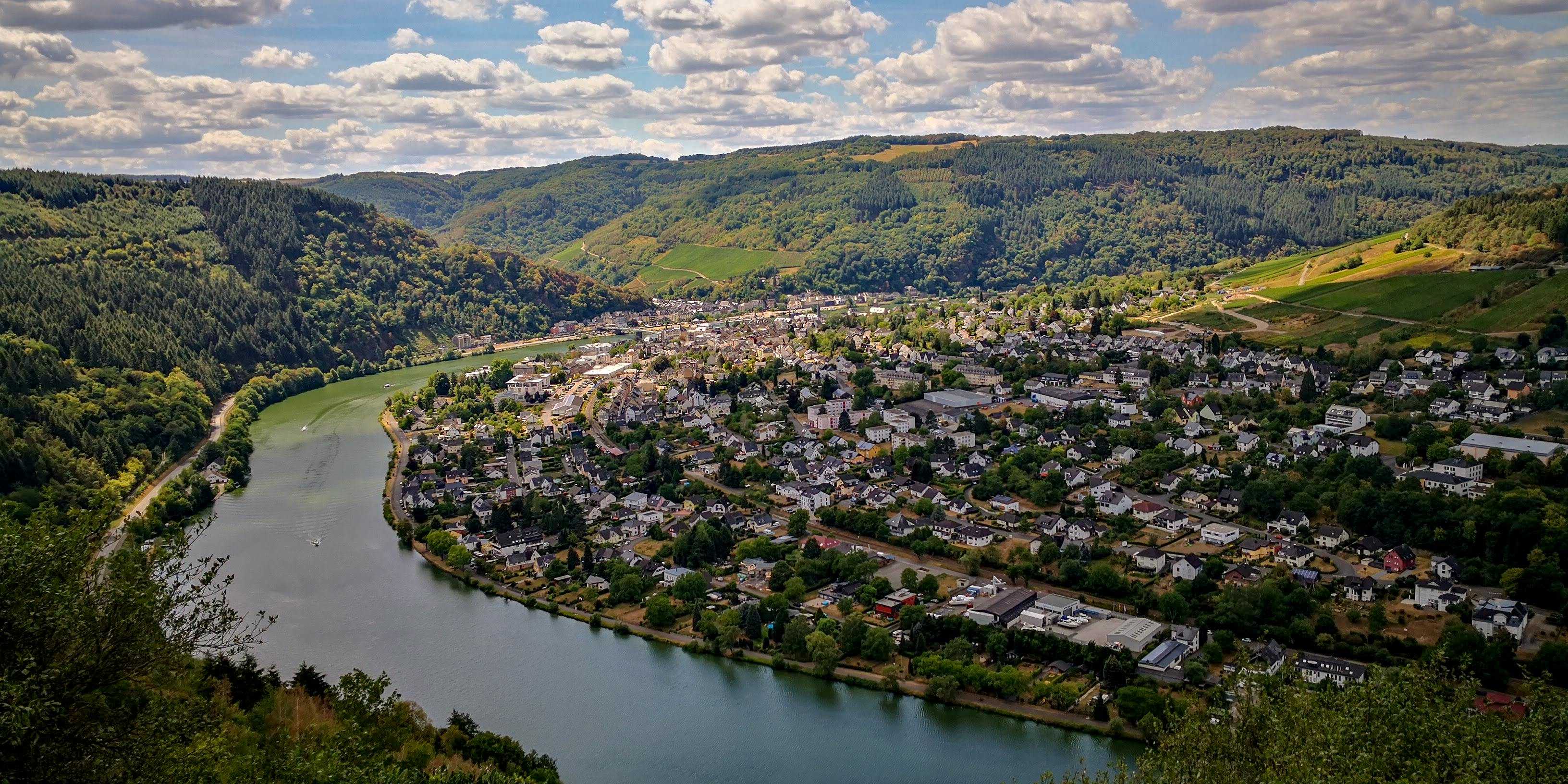

Bitburg
· DE

Bitburg

Bitburg, Rhineland-Palatinate, Germany

Located in the picturesque region of Rhineland-Palatinate, Germany, Bitburg is a charming town that seamlessly blends history, culture, and natural beauty. This quaint town is steeped in rich history and offers a delight…

#Bitburg#Rhineland-Palatinate#Germany#historic town#breweries
1/4

Top hotels & flights

Hand-picked stays and the best fares into Bitburg.

Top Hotels in Bitburg

Top Flights to Bitburg

Location videos

Real reels from travelers, plus longer watches to get the full picture.

From travelers
Watch & explore

Practical info

The essentials for planning your time in Bitburg.

Currency
€ | EUR | Euro
Population
Not Available
Languages
German, German
Average weather
Bitburg
Jan
snow
3°-1°
Feb
cold
5°0°
Mar
cloud
9°2°
Apr
rain
13°4°
May
cloud
18°8°
Jun
sun
21°11°
Jul
sun
23°13°
Aug
sun
23°13°
Sep
cloud
19°10°
Oct
rain
14°6°
Nov
cloud
8°3°
Dec
snow
4°0°

Local guide

What travelers love, what to watch for, and a deeper read on Bitburg.

What people love

Bitburg, located in Rhineland-Palatinate, Germany, is a charming town with several pros for travelers:

  1. Historical Significance: Bitburg has a rich history dating back to Roman times. Visitors can explore historical sites such as the Bitburg Fortress and the Bitburg Air Base, which played a significant role during World War II.

  2. Scenic Beauty: The town is surrounded by picturesque landscapes, including rolling hills, lush forests, and meandering rivers. Nature lovers can enjoy hiking, cycling, and exploring the beautiful countryside.

  3. Cultural Attractions: Bitburg boasts a variety of cultural attractions, such as museums, art galleries, and traditional festivals. Visitors can immerse themselves in the local culture and learn about the town's heritage.

  4. Beer Culture: Bitburg is known for its beer brewing tradition, with the famous Bitburger Brewery located in the town. Beer enthusiasts can take brewery tours, sample local brews, and learn about the art of beer-making.

  5. Convenient Location: Bitburg is centrally located in the Rhineland-Palatinate region, making it a convenient base for exploring other nearby attractions such as Trier, Germany's oldest city, and the Moselle Valley with its vineyards and charming villages.

Overall, traveling to Bitburg offers a blend of history, nature, culture, and beer, making it a delightful destination for visitors seeking a unique and authentic German experience.

What to know

Bitburg, located in Rhineland-Palatinate, Germany, is a charming town with a rich history and beautiful surrounding countryside. However, there are a few cons to consider when traveling to Bitburg:

  1. Limited public transportation: Bitburg is a small town, and public transportation options may be limited, making it challenging to get around without a car.

  2. Limited nightlife: Bitburg is not known for its vibrant nightlife scene, so if you are looking for a bustling nightlife with clubs and bars, you may be disappointed.

  3. Limited tourist attractions: While Bitburg has some historical sites and museums to explore, it may not offer as many tourist attractions compared to larger cities in Germany.

  4. Language barrier: While many people in Bitburg may speak English, there may still be a language barrier, especially in more rural areas or with older residents.

  5. Limited dining options: Bitburg may have fewer dining options compared to larger cities, so if you are a food enthusiast looking for a wide variety of restaurants, you may find the choices limited.

Overall, while Bitburg has its charms, travelers looking for a bustling city experience with a wide range of amenities and attractions may find it lacking in comparison to other destinations in Germany.

Information not available

Bitburg is a town located in the Eifel region of Rhineland-Palatinate, Germany. Its history is rich and spans several millennia, marked by significant events and developments.

Early History

The history of Bitburg dates back to Roman times. Originally known as "Vicus Beda," it was established as a Roman settlement around the 1st century AD. The area was strategically important due to its location on the Roman road linking Trier, one of the largest Roman cities in the north, to Cologne.

Middle Ages

During the Middle Ages, Bitburg became a part of the Frankish Empire. It grew as a market town and was granted town privileges in the 13th century. The town was part of the Electorate of Trier, a significant ecclesiastical principality within the Holy Roman Empire.

Modern Era

In the late 18th century, Bitburg, like much of the Rhineland, was affected by the French Revolutionary Wars. It was incorporated into the French Republic in 1794, and later the Napoleonic Empire. After Napoleon's defeat, the Congress of Vienna in 1815 placed Bitburg under Prussian control.

20th Century

Bitburg suffered significant damage during World War II due to its strategic location. It was the site of heavy fighting during the Battle of the Bulge and other military operations. After the war, Bitburg was in the French occupation zone.

A notable event in its post-war history occurred in 1985, when U.S. President Ronald Reagan visited Bitburg. His visit to the Bitburg Military Cemetery, where 49 members of the Waffen-SS were buried, sparked international controversy.

Landmarks and Culture

  • Bitburger Brewery: One of the most famous landmarks is the Bitburger Brewery, established in 1817. It is one of Germany's most well-known breweries and produces the popular Bitburger Pilsner beer.
  • St. Peter's Church: This church is one of the architectural highlights of Bitburg, showcasing a mix of Romanesque and Gothic styles.
  • Bitburg Air Base: Established during the Cold War, it was a significant NATO facility and played a critical role in the defense strategy of the Western Allies.

Economy and Modern Development

Bitburg today is a vibrant town with a strong economy, supported by brewing, agriculture, and services. It serves as a commercial center for the surrounding rural areas and continues to attract visitors due to its historical significance and natural beauty in the Eifel region.

Significance

Bitburg’s historical significance is tied to its Roman roots, its role in medieval ecclesiastical territories, and its strategic importance during major 20th-century conflicts. It is a town that reflects the complex history of the Rhineland region, shaped by various cultural and political influences over the centuries.