


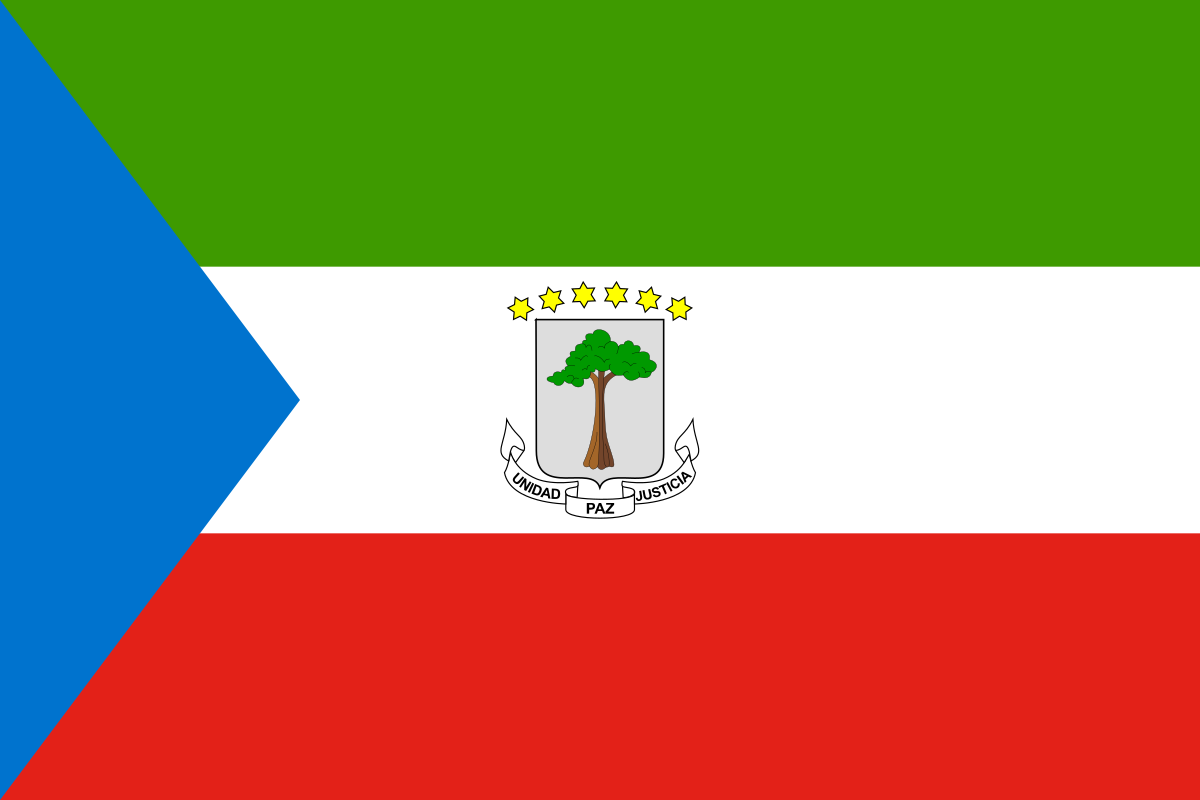
Explore Malabo
Discover the vibrant capital city of Equatorial Guinea with its Spanish colonial architecture.
Hand-picked stays and the best fares into Bioko Norte.
Tours, tickets and experiences travelers book most in Bioko Norte.
Discover the vibrant capital city of Equatorial Guinea with its Spanish colonial architecture.
Experience the hustle and bustle of the local markets, offering everything from fresh produce to traditional crafts.
Enjoy a trek to the highest peak in Equatorial Guinea offering breathtaking views and unique biodiversity.
Real reels from travelers, plus longer watches to get the full picture.
The essentials for planning your time in Bioko Norte.
What travelers love, what to watch for, and a deeper read on Bioko Norte.
Pros of traveling to Bioko Norte, Equatorial Guinea:
Breathtaking Scenery: Bioko Norte, located on the island of Bioko, is known for its stunning natural beauty. Travelers can enjoy lush rainforests, beautiful beaches, and picturesque landscapes.
Unique Wildlife: Bioko Norte is home to a diverse range of flora and fauna, including unique species such as the Bioko drill monkey and the African grey parrot. Nature lovers and wildlife enthusiasts will have a great time exploring the island's biodiversity.
Cultural Experiences: Visitors to Bioko Norte can immerse themselves in the local culture and traditions of Equatorial Guinea. From vibrant markets to traditional ceremonies and festivals, there are plenty of opportunities to learn about the rich heritage of the region.
Outdoor Activities: The island offers a wide range of outdoor activities for adventure seekers, including hiking, bird watching, and water sports like snorkeling and diving. The varied terrain of Bioko Norte provides ample opportunities for exploration and adventure.
Friendly Locals: Travelers to Bioko Norte can expect to be greeted with warm hospitality by the local people. Engaging with the community can offer valuable insights into the daily life and customs of the region.
Overall, traveling to Bioko Norte in Equatorial Guinea can be a rewarding experience for those looking to discover a lesser-known destination with natural beauty, wildlife diversity, and cultural richness.
Enjoy your trip if you decide to visit Bioko Norte!
Traveling to Bioko Norte, Equatorial Guinea, specifically the Bioko Norte region, may have some potential drawbacks:
Health Concerns: Equatorial Guinea has a high prevalence of diseases such as malaria, yellow fever, and other tropical illnesses. Travelers may need to take necessary precautions such as vaccinations and medications before visiting.
Safety: While overall crime rates in Equatorial Guinea are relatively low compared to other countries in the region, travelers should still exercise caution, especially in urban areas. Petty crime, such as pickpocketing, can occur.
Infrastructure: The quality of infrastructure, including roads, public transportation, and healthcare facilities, may not be up to the standards that travelers from more developed countries are accustomed to. This can impact travel experiences and access to necessary services.
Language Barrier: The official languages of Equatorial Guinea are Spanish and French. English may not be widely spoken, which can pose challenges for English-speaking travelers who do not speak either of the official languages.
Limited Tourist Facilities: Bioko Norte may not have a wide range of tourist facilities and amenities compared to more popular travel destinations. Accommodation options, restaurants, and entertainment venues may be limited.
Restricted Travel Areas: Certain areas in Equatorial Guinea, including some regions of Bioko Norte, may be restricted or require special permits for access. Travelers should be aware of any travel restrictions and obtain necessary permissions before visiting certain areas.
It's important to conduct thorough research and consider these factors before traveling to Bioko Norte, Equatorial Guinea. For the most up-to-date and specific information, it is recommended to consult with official government travel advisories and local authorities.