
Top hotels & flights
Hand-picked stays and the best fares into Big Spring.
Top Hotels in Big Spring
Top Flights to Big Spring
Location videos
Real reels from travelers, plus longer watches to get the full picture.
Practical info
The essentials for planning your time in Big Spring.


Local guide
What travelers love, what to watch for, and a deeper read on Big Spring.
What people love
Big Spring, located in Texas, United States, offers several pros for travelers looking to visit this charming city:
-
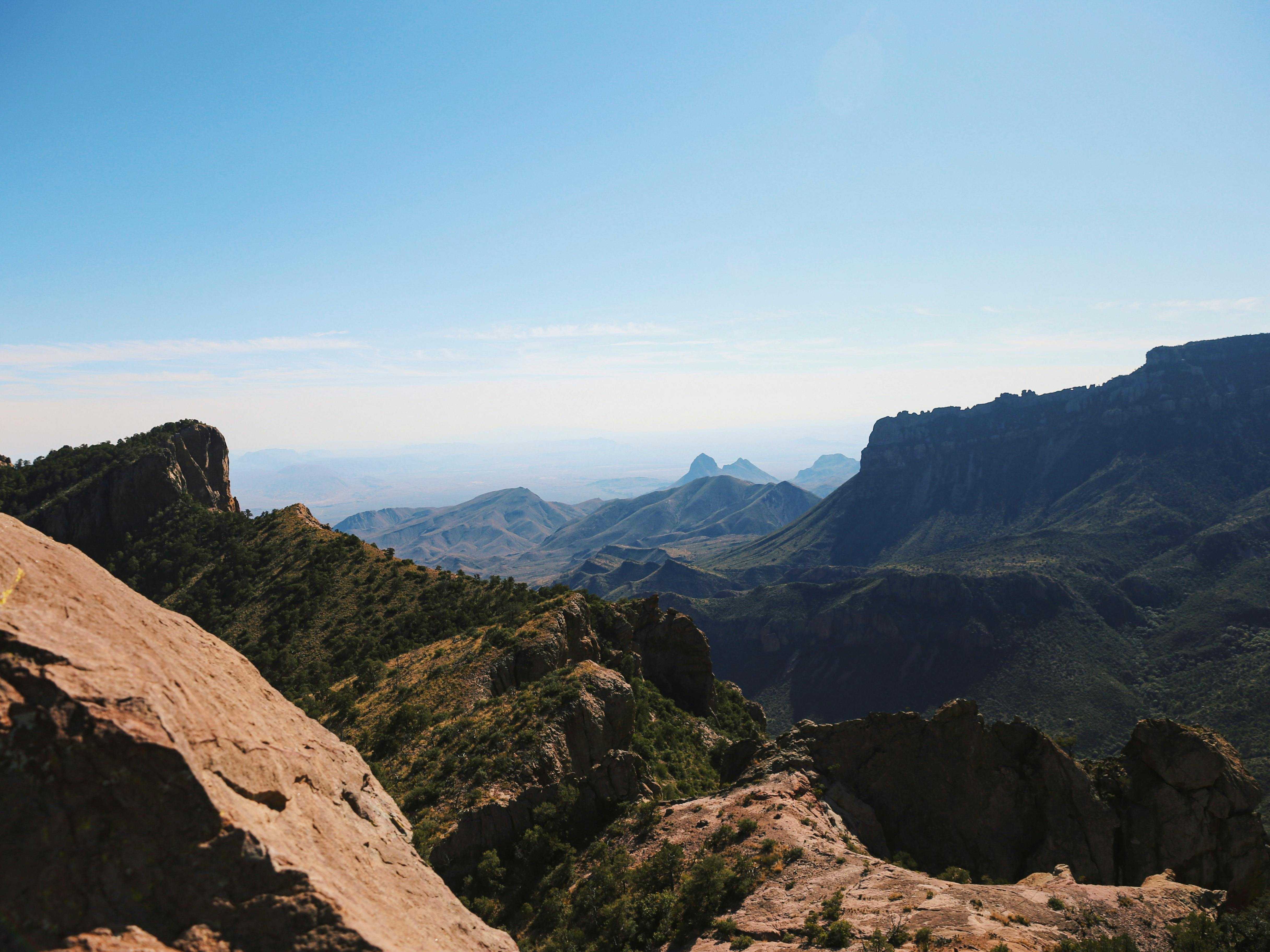
Scenic Beauty: Big Spring is known for its picturesque landscapes and natural beauty. Visitors can enjoy stunning views of the West Texas desert, rolling hills, and the iconic Big Spring State Park. The park features hiking trails, picnic areas, and opportunities for bird watching and wildlife spotting.
-
Outdoor Recreation: Outdoor enthusiasts will find plenty to do in Big Spring. The city is a popular destination for activities such as hiking, camping, fishing, and golfing. The nearby Comanche Trail Park offers a variety of recreational opportunities, including a golf course, swimming pool, and playgrounds.
-
Historic Sites: Big Spring has a rich history dating back to the early 20th century. Visitors can explore historic sites such as the Hangar 25 Air Museum, which showcases the city's aviation heritage, and the Potton House, a historic home-turned-museum that offers a glimpse into Big Spring's past.
-
Local Culture and Events: Big Spring hosts a number of events and festivals throughout the year, providing visitors with a chance to experience the city's unique culture and hospitality. From rodeos and fairs to live music performances and art shows, there is always something happening in Big Spring.
-
Friendly Community: One of the standout features of Big Spring is its friendly and welcoming community. Visitors will find locals eager to share their love for the city and offer recommendations for things to see and do during their stay.
Overall, traveling to Big Spring, Texas, offers a mix of natural beauty, outdoor activities, history, culture, and friendly locals, making it a great destination for travelers looking to experience the charm of a small Texas town.
What to know
When considering a trip to Big Spring, Texas, there are some potential drawbacks that travelers might encounter:
-
Limited Tourist Attractions: Big Spring is a smaller city, so it may not have the wide array of attractions that larger cities offer. While there are some local points of interest like the Big Spring State Park and the Heritage Museum, the options may be limited for those looking for a bustling tourist experience.
-
Weather Conditions: The climate in Big Spring can be quite extreme, with very hot summers and mild to cool winters. Visitors may find the summer heat uncomfortable, especially if they are not accustomed to high temperatures.
-
Transportation: Public transportation options in Big Spring are limited. Travelers might find it necessary to rent a car to get around, which could be an added expense.
-
Limited Dining and Entertainment Options: While there are dining and entertainment options available, they may not be as varied or numerous as in larger cities. Visitors looking for diverse culinary experiences or nightlife might find the choices limited.
-
Accommodation Choices: There might be fewer high-end accommodation options compared to larger cities, which could be a consideration for travelers seeking luxury stays.
-
Economic Challenges: Like many smaller towns, Big Spring has faced economic challenges, which might be reflected in the local infrastructure and amenities.
-
Isolation: Big Spring is somewhat isolated geographically, which might make it less convenient for travelers who prefer destinations with easy access to other cities and attractions.
Despite these potential downsides, many travelers may still find Big Spring to be a pleasant and charming destination, particularly those interested in experiencing a smaller Texas town with its own unique culture and history.