
Biel/Bienne
· CH

Biel/Bienne

Biel/Bienne, Bern, Switzerland

Biel/Bienne: Where Swiss Charm Meets Industrial Chic Nestled at the foot of the Jura Mountains and on the shores of shimmering Lake Biel, Biel/Bienne, Switzerland offers a unique blend of historic charm and modern innova…

#Bilingual city#Watchmaking#Lake Biel#Historic old town#Cultural events
1/1

Top hotels & flights

Hand-picked stays and the best fares into Biel/Bienne.

Top Hotels in Biel/Bienne

Top Flights to Biel/Bienne

Location videos

Real reels from travelers, plus longer watches to get the full picture.

From travelers
Watch & explore

Practical info

The essentials for planning your time in Biel/Bienne.

Currency
CHF | CHF | Swiss Franc
Population
information not available
Languages
German, German, French
Average weather
Biel/Bienne
Jan
snow
3°-2°
Feb
cloud
5°-1°
Mar
rain
10°1°
Apr
rain
14°4°
May
cloud
19°8°
Jun
sun
23°12°
Jul
sun
26°14°
Aug
sun
25°14°
Sep
cloud
21°11°
Oct
rain
15°6°
Nov
cloud
8°2°
Dec
snow
4°-1°

Local guide

What travelers love, what to watch for, and a deeper read on Biel/Bienne.

What people love

Biel/Bienne, located in the canton of Bern, Switzerland, offers a unique and charming travel experience with several pros:

  1. Bilingual City: Biel/Bienne is a bilingual city where both German and French are spoken, offering visitors the opportunity to experience a diverse linguistic and cultural environment.

  2. Watchmaking Heritage: Biel/Bienne is renowned for its watchmaking industry and is home to numerous watchmaking companies. Visitors can explore the history and craftsmanship of Swiss watchmaking through museums and guided tours.

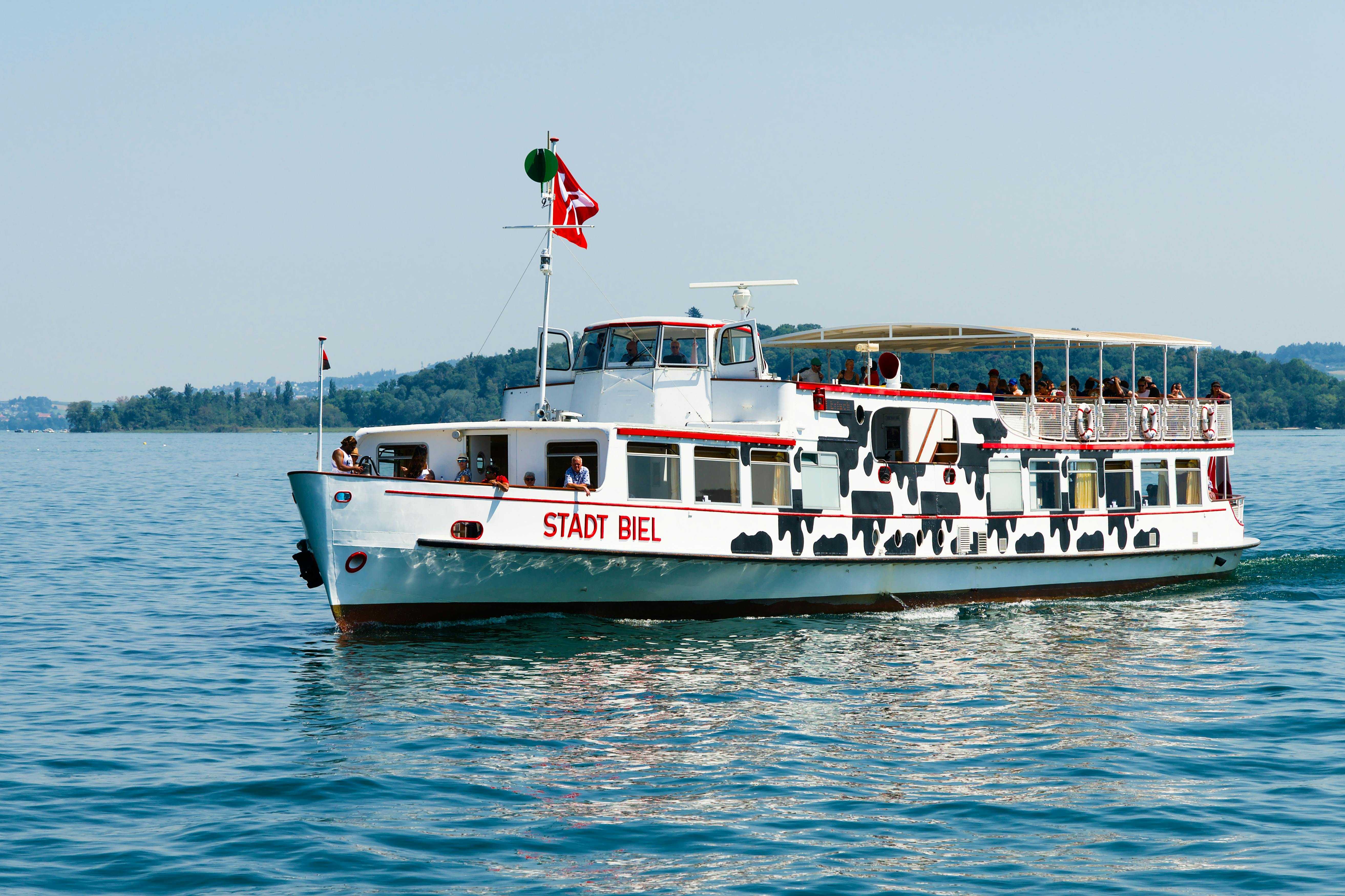
  3. Lake Biel: The city is situated on the shores of Lake Biel, providing picturesque views and opportunities for water activities such as boating, swimming, and lakeside picnics.

  4. Old Town: Biel/Bienne's charming Old Town features well-preserved historic buildings, cozy cafes, and boutiques, making it a delightful place to explore on foot.

  5. Cultural Events: The city hosts a variety of cultural events throughout the year, including music festivals, art exhibitions, and theater performances, offering visitors a chance to immerse themselves in the local arts scene.

  6. Outdoor Activities: Biel/Bienne is surrounded by beautiful natural landscapes, making it an ideal destination for outdoor enthusiasts. Visitors can enjoy hiking, cycling, and skiing in the nearby Jura mountains.

  7. Access to Bern and other Swiss Cities: Biel/Bienne's central location in Switzerland provides easy access to major cities like Bern, Zurich, and Geneva, as well as popular tourist destinations such as the Swiss Alps.

Overall, Biel/Bienne offers a blend of cultural heritage, natural beauty, and recreational opportunities, making it a rewarding destination for travelers seeking an authentic Swiss experience.

What to know

Biel/Bienne, located in the canton of Bern in Switzerland, is a beautiful and charming city with a lot to offer visitors. However, like any destination, there are some potential cons to consider when traveling to Biel/Bienne:

  1. Limited nightlife: Biel/Bienne is not known for its bustling nightlife scene compared to larger cities in Switzerland. If you are looking for a vibrant nightlife with clubs and bars, you may find the options in Biel/Bienne to be limited.

  2. Language barrier: While many people in Biel/Bienne speak English, the predominant languages in the region are German and French. If you do not speak these languages, you may encounter some communication challenges during your visit.

  3. Higher cost of living: Switzerland is known for being an expensive destination, and Biel/Bienne is no exception. Prices for accommodation, dining, and shopping can be higher compared to other European cities.

  4. Limited tourist attractions: Biel/Bienne is a smaller city compared to other popular Swiss destinations like Zurich or Geneva. While it has its own charm and attractions, the city may not offer as many tourist sites and activities as larger cities.

  5. Weather: The weather in Biel/Bienne can be quite unpredictable, with cold winters and mild summers. If you prefer more consistent weather conditions during your travels, this may be a consideration.

Overall, while Biel/Bienne has much to offer in terms of culture, history, and natural beauty, it is important to consider these potential cons when planning your trip to ensure it aligns with your preferences and expectations.

Biel/Bienne is a bilingual city located in the canton of Bern, Switzerland. It uniquely embraces both the German and French languages, reflecting its cultural and linguistic diversity. Here is a detailed history of Biel/Bienne:

Early History

  • Prehistoric Era: Archaeological evidence shows that the area around Biel/Bienne was inhabited during the Neolithic period. Artefacts and remains suggest continuous settlement through the Bronze and Iron Ages.
  • Roman Era: During Roman times, the region was part of the Helvetii territory. Roman roads and artefacts have been discovered in the vicinity, indicating its integration into the Roman Empire.

Medieval Period

  • Foundation: Biel/Bienne was officially founded in the Middle Ages. The first documented mention dates back to 1142, when it was noted as "Bela."
  • Bishopric of Basel: In the 13th century, Biel/Bienne came under the influence of the Prince-Bishopric of Basel, which played a significant role in the city's development during this time.
  • Charter of 1275: The city received a charter from the Prince-Bishop of Basel, granting it special rights and privileges, which fostered its growth and autonomy.

Early Modern Period

  • Reformation: In the 16th century, Biel/Bienne was caught up in the Reformation. It embraced Protestantism and shifted its allegiance from the Catholic-dominated Prince-Bishopric of Basel to the Protestant-majority Bern.
  • Burgundian Wars: The city was involved in the Burgundian Wars, aligning with the Old Swiss Confederacy against Charles the Bold of Burgundy.

19th and 20th Centuries

  • Industrialization: Biel/Bienne experienced rapid industrial growth in the 19th century, becoming a center for watchmaking, which remains significant to this day. The city's economic development was further facilitated by its strategic location and transportation links.
  • Railway Hub: The establishment of the railway in the 19th century bolstered Biel/Bienne's status as a transportation hub, enhancing trade and mobility.
  • Bilingualism: In the 20th century, Biel/Bienne officially embraced bilingualism, with both German and French serving as official languages, reflecting the city's diverse population.

Modern Era

  • Urban Development: Biel/Bienne continued to develop, with a focus on balancing industrial growth and preserving natural spaces. It has become known for its commitment to sustainability.
  • Cultural Events: The city hosts various cultural festivals, including the Biel/Bienne Festival of Photography and the International Chess Festival.

Important Landmarks

  • Old Town: The historic center of Biel/Bienne features medieval architecture, including the Stadtkirche (City Church), which dates back to the 15th century.
  • Lake Biel: The city is located at the northeastern end of Lake Biel, providing scenic beauty and recreational opportunities.
  • New Museum Biel: This museum offers insights into the cultural and historical heritage of the region, with exhibits on archaeology, art, and history.
  • CentrePasquArt: A contemporary art center that hosts exhibitions and cultural events, contributing to the city's vibrant art scene.

Historical Figures

  • Friedrich Dürrenmatt: Although not born in Biel/Bienne, this famous Swiss playwright and author had strong ties to the region, often drawing inspiration from Swiss culture and politics.

Biel/Bienne's rich history, cultural diversity, and economic significance make it a unique and important city within Switzerland.