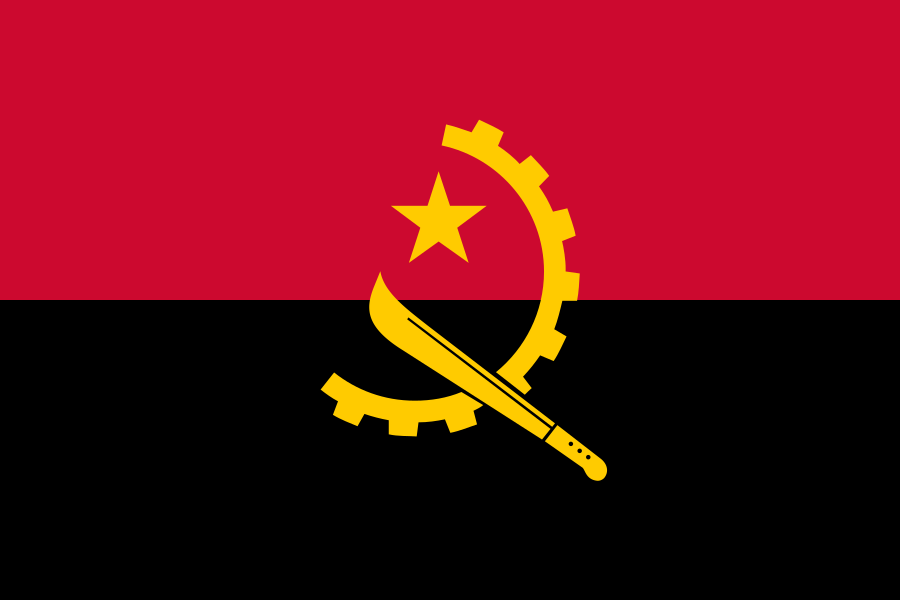
Bengo
· AO

Bengo

Bengo, Angola

Escape the Ordinary in Bengo, Angola: Untamed Beauty on Luanda's Doorstep Just a stone's throw from the bustling capital of Luanda lies Bengo, a province where Angola's raw beauty takes center stage. Here, the mighty Kwa…

#Bengo#Angola#Coastal#Scenic views#Fishing
1/3

Top hotels & flights

Hand-picked stays and the best fares into Bengo.

Top Hotels in Bengo

Top Flights to Bengo

Popular activities

Tours, tickets and experiences travelers book most in Bengo.

Tours

Caxito City Tour

Explore the city of Caxito, its landmarks and cultural sites.

Shopping

Bengo Local Market

Discover local crafts, food, and culture at Bengo's vibrant market.

Outdoor

Kissama National Park Exploration

A thrilling safari experience encountering a variety of wildlife in their natural habitat.

Dande River Cruise

Relaxing boat tours along the scenic Dande River.

Location videos

Real reels from travelers, plus longer watches to get the full picture.

From travelers
Watch & explore

Practical info

The essentials for planning your time in Bengo.

Currency
Kz | AOA | Angolan Kwanza
Population
Not Available
Languages
Portuguese, Portuguese

Local guide

What travelers love, what to watch for, and a deeper read on Bengo.

What people love

Bengo is a province in Angola that might not be as well-known as some other destinations, but it does have its own unique attractions and qualities. Here are some potential pros of visiting Bengo:

  1. Natural Beauty: Bengo is known for its diverse landscapes, which include rivers, lagoons, and coastal areas. The province offers opportunities to explore Angola's natural beauty, such as the Dande River and the Kwanza Norte's scenic views.

  2. Cangandala National Park: Although primarily located in the neighboring province of Malanje, Cangandala National Park is accessible from Bengo. It is known for its efforts to protect the giant sable antelope, a rare and critically endangered species that is a national symbol of Angola.

  3. Cultural Experience: Traveling to Bengo provides an opportunity to experience local Angolan culture and traditions. Visitors can engage with the local communities and learn about their way of life, crafts, and customs.

  4. Proximity to Luanda: Bengo is located close to Angola's capital, Luanda, making it an accessible destination for those who are staying in or visiting the capital city. This proximity allows for day trips or short excursions.

  5. Less Commercialized: Compared to more popular tourist destinations, Bengo might offer a more authentic and less commercialized travel experience. This can be appealing to travelers looking for off-the-beaten-path locations.

  6. Bird Watching: The province's varied ecosystems provide good opportunities for bird watching, with numerous species to observe in their natural habitats.

  7. Fishing and Water Activities: The presence of rivers and the Atlantic coastline means that there are opportunities for fishing and other water-based activities.

While Bengo might not have the typical tourist infrastructure found in more popular destinations, its natural beauty and cultural experiences can make it an appealing choice for adventurous travelers interested in exploring less-traveled areas.

What to know

Information not available.

Bengo is a province in Angola, located in the northern part of the country. It surrounds the capital city, Luanda, and is bordered by the provinces of Uíge, Cuanza Norte, Cuanza Sul, and Zaire, as well as the Atlantic Ocean to the west. The capital of Bengo province is Caxito.

Historical Background:

  1. Colonial Era:

    • During the Portuguese colonial period, the region that is now Bengo was part of the broader administrative divisions of Angola. The area was utilized for agriculture, especially in producing crops such as coffee and palm oil, which were significant to the colonial economy.
  2. Post-Independence:

    • Angola gained independence from Portugal on November 11, 1975. After independence, the country experienced a prolonged civil war that lasted until 2002. Bengo, like many other provinces, was affected by the conflict, which led to disruptions in development and infrastructure.
  3. Post-Civil War Development:

    • Since the end of the civil war, Bengo has been involved in Angola’s overall recovery and development efforts. The province has seen improvements in infrastructure, including roads and public services, to facilitate better connectivity and economic growth.

Significant Events:

  • Administrative Changes: Over the years, the administrative boundaries and divisions within Angola have changed. Bengo was initially part of the larger Luanda province but was later established as a separate province to improve administrative efficiency and local governance.

Historical Figures:

  • Local Leaders: While specific historical figures from Bengo may not be widely recognized on a national or international level, local leaders and administrators have played crucial roles in the province’s governance and development post-independence.

Important Landmarks:

  1. Caxito:

    • As the capital of Bengo, Caxito is an important urban center within the province. It serves as the administrative and economic hub, with key government buildings and services located here.
  2. Natural Attractions:

    • Bengo is known for its natural landscapes, including rivers and coastal areas along the Atlantic Ocean. These natural features are significant for local tourism and biodiversity.
  3. Agricultural Sites:

    • The province is also notable for agricultural activities, with several areas dedicated to farming. This is a continuation of its historical role as an agricultural center during the colonial period.

In summary, Bengo has a history tied closely to Angola’s broader historical events, including colonization, independence, and civil conflict. While it may not have widely recognized historical figures or landmarks on a national scale, its development post-civil war signifies its role in Angola's recovery and growth.

Information not available.