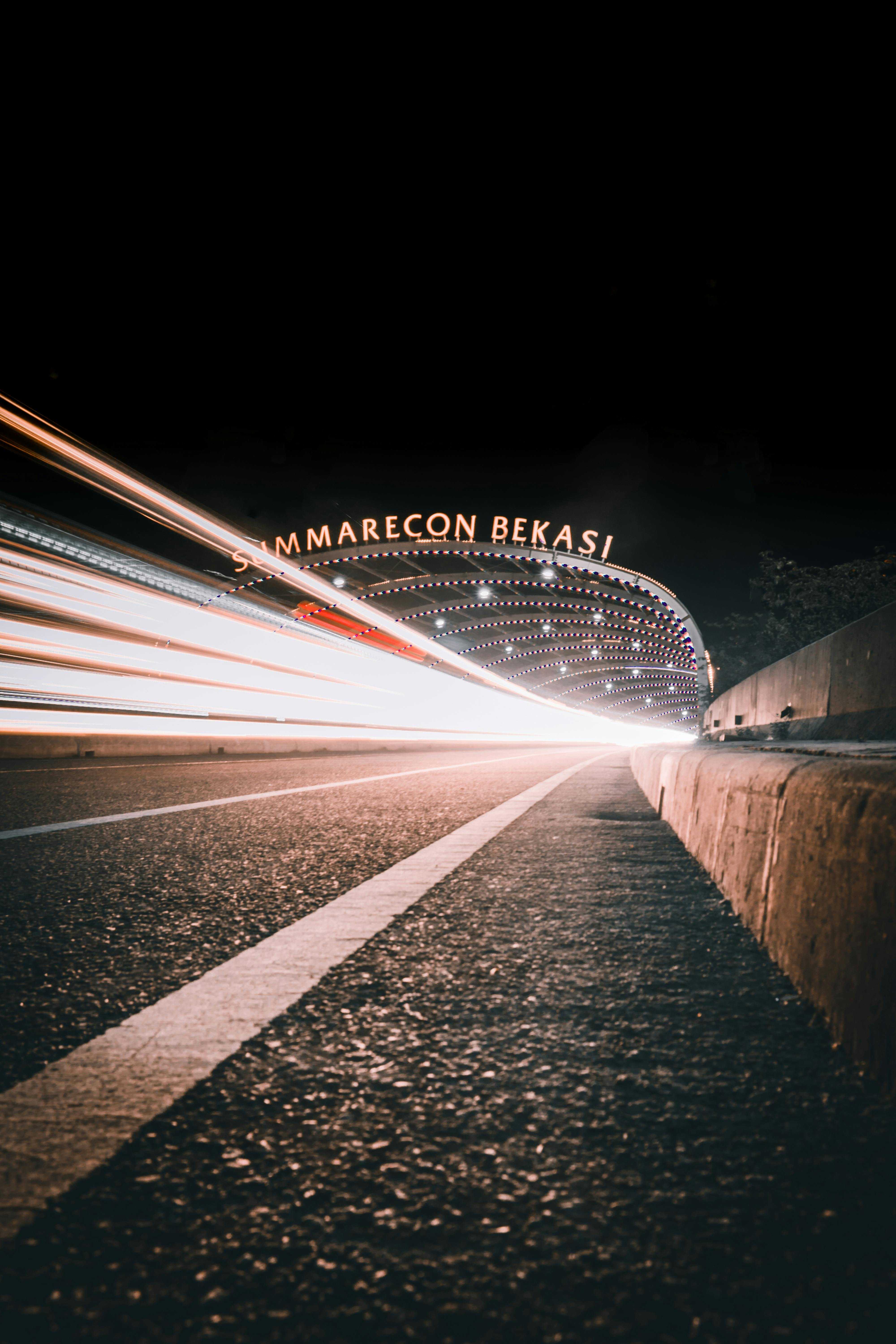

Bekasi
· ID

Bekasi

Bekasi, Jawa Barat, Indonesia

Beyond the Buzz: Unveiling the Hidden Gems of Bekasi Often overlooked as Jakarta's bustling neighbor, Bekasi is a city brimming with unexpected delights. While not your typical tourist hotspot, Bekasi offers a refreshing…

#urban#industrial#dense population#manufacturing hub#cultural diversity
1/4

Top hotels & flights

Hand-picked stays and the best fares into Bekasi.

Top Hotels in Bekasi

Top Flights to Bekasi

Practical info

The essentials for planning your time in Bekasi.

Currency
Rp | IDR | Indonesian Rupiah
Population
3.5 million
Average weather
Bekasi
Jan
rain
31°24°
Feb
rain
31°24°
Mar
rain
31°24°
Apr
rain
32°24°
May
rain
32°24°
Jun
cloud
31°23°
Jul
cloud
31°23°
Aug
cloud
32°23°
Sep
cloud
33°23°
Oct
rain
33°24°
Nov
rain
32°24°
Dec
rain
31°24°

Local guide

What travelers love, what to watch for, and a deeper read on Bekasi.

What people love

Bekasi, located in Jawa Barat, Indonesia, offers several advantages for travelers:

  1. Proximity to Jakarta: Bekasi is located adjacent to Jakarta, the capital city of Indonesia. This makes it a convenient destination for those looking to explore both cities without having to travel far.

  2. Cultural Diversity: Bekasi is a melting pot of cultures, with a mix of Javanese, Sundanese, Betawi, and other ethnic groups living in the area. This diversity is reflected in the local cuisine, traditions, and festivals, providing a rich cultural experience for travelers.

  3. Shopping and Dining: Bekasi is known for its shopping malls, markets, and dining options. From traditional markets selling local goods to modern shopping centers offering international brands, visitors can enjoy a wide range of shopping experiences. The city also boasts a variety of restaurants serving authentic Indonesian dishes as well as international cuisine.

  4. Nature and Outdoor Activities: Bekasi is surrounded by natural beauty, including rivers, parks, and green spaces. Travelers can enjoy outdoor activities such as hiking, cycling, or picnicking in one of the city's many parks. The Cikarang and Jababeka golf courses are popular destinations for golf enthusiasts.

  5. Industrial Hub: Bekasi is an important industrial hub in Indonesia, with many factories and industrial zones located in the area. This can provide opportunities for business travelers or those interested in learning about Indonesia's manufacturing sector.

Overall, Bekasi offers a mix of cultural, culinary, and outdoor experiences, making it a diverse and interesting destination for travelers.

What to know

Some potential cons of traveling to Bekasi, located in Jawa Barat, Indonesia, could include:

  1. Traffic congestion: Bekasi is known for its heavy traffic congestion, especially during peak hours. Navigating the city's roads can be challenging and time-consuming.

  2. Pollution: Like many urban areas in Indonesia, Bekasi can suffer from air and water pollution. This could potentially impact your health and overall travel experience.

  3. Limited tourist attractions: Compared to other popular destinations in Indonesia, Bekasi may have fewer tourist attractions and cultural sites to explore. Visitors looking for a vibrant nightlife or historical landmarks may find the city lacking in these areas.

  4. Language barrier: While English is spoken in some tourist areas, you may encounter difficulty communicating with locals in Bekasi if you do not speak Bahasa Indonesia.

  5. Safety concerns: As with any travel destination, it's important to remain vigilant and take precautions against petty crime such as theft or scams.

Please note that these are general considerations, and your experience may vary. It's always a good idea to conduct further research and consult with local authorities or travel advisories before planning a trip to Bekasi.

Bekasi is a city located in the province of West Java, Indonesia. It is part of the Greater Jakarta metropolitan area and is one of the most populous urban centers in Indonesia. Here's a detailed history of Bekasi:

Historical Background

  1. Early History:

    • Bekasi has a long history dating back to the era of the Tarumanagara Kingdom in the 5th century. The area was known as Dayeuh Sundasembawa during the time of the Sundanese kingdoms.
  2. Colonial Period:

    • During the Dutch colonial period, Bekasi was part of the area known as Batavia (modern-day Jakarta). The region was an important agricultural center, supplying rice and other crops to the growing city of Batavia.
  3. Independence Movement:

    • Bekasi played a role in the struggle for Indonesian independence. It was a site of local resistance against Dutch forces during the Indonesian National Revolution (1945-1949).

Post-Independence Development

  1. Urban Expansion:

    • After Indonesia gained independence, Bekasi underwent significant urbanization and industrialization, especially from the 1970s onwards. The city's proximity to Jakarta made it a prime location for residential and industrial development.
  2. City Status:

    • Bekasi was officially designated as a city (kota) in 1996, having previously been a regency (kabupaten). This change facilitated greater administrative control and development initiatives.

Significant Events

  1. Floods:

    • Bekasi is prone to flooding, particularly during the rainy season. Significant floods have occurred multiple times, affecting thousands of residents and prompting infrastructure improvements.
  2. Industrial Growth:

    • The late 20th and early 21st centuries saw Bekasi become a hub for manufacturing and industry, attracting numerous multinational companies and contributing substantially to the local economy.

Historical Figures

  • Information on specific historical figures related to Bekasi is limited. However, as part of the larger Jakarta metropolitan area, individuals involved in the national independence movement and later political developments would have had an impact on Bekasi.

Important Landmarks

  1. Patriot Candrabhaga Stadium:

    • A significant sports venue in Bekasi, often used for football matches and other large events.
  2. Grand Metropolitan Mall:

    • One of the largest shopping centers in Bekasi, showcasing the city’s modern commercial development.
  3. Hutan Kota Bekasi (Bekasi City Park):

    • A green space in the city that provides recreational opportunities and a respite from urban life.
  4. Bekasi Railway Station:

    • An important transportation hub connecting Bekasi with Jakarta and other regions, reflecting its role as a commuter city.

Bekasi continues to grow rapidly, driven by its strategic location and role within the Jakarta metropolitan area. Its development challenges include managing urban sprawl, infrastructure, and environmental issues like flooding.

For more detailed historical accounts or specific inquiries, further specialized resources or local historical texts would be required.