
Beaverton
· US

Beaverton

Beaverton, Oregon, United States

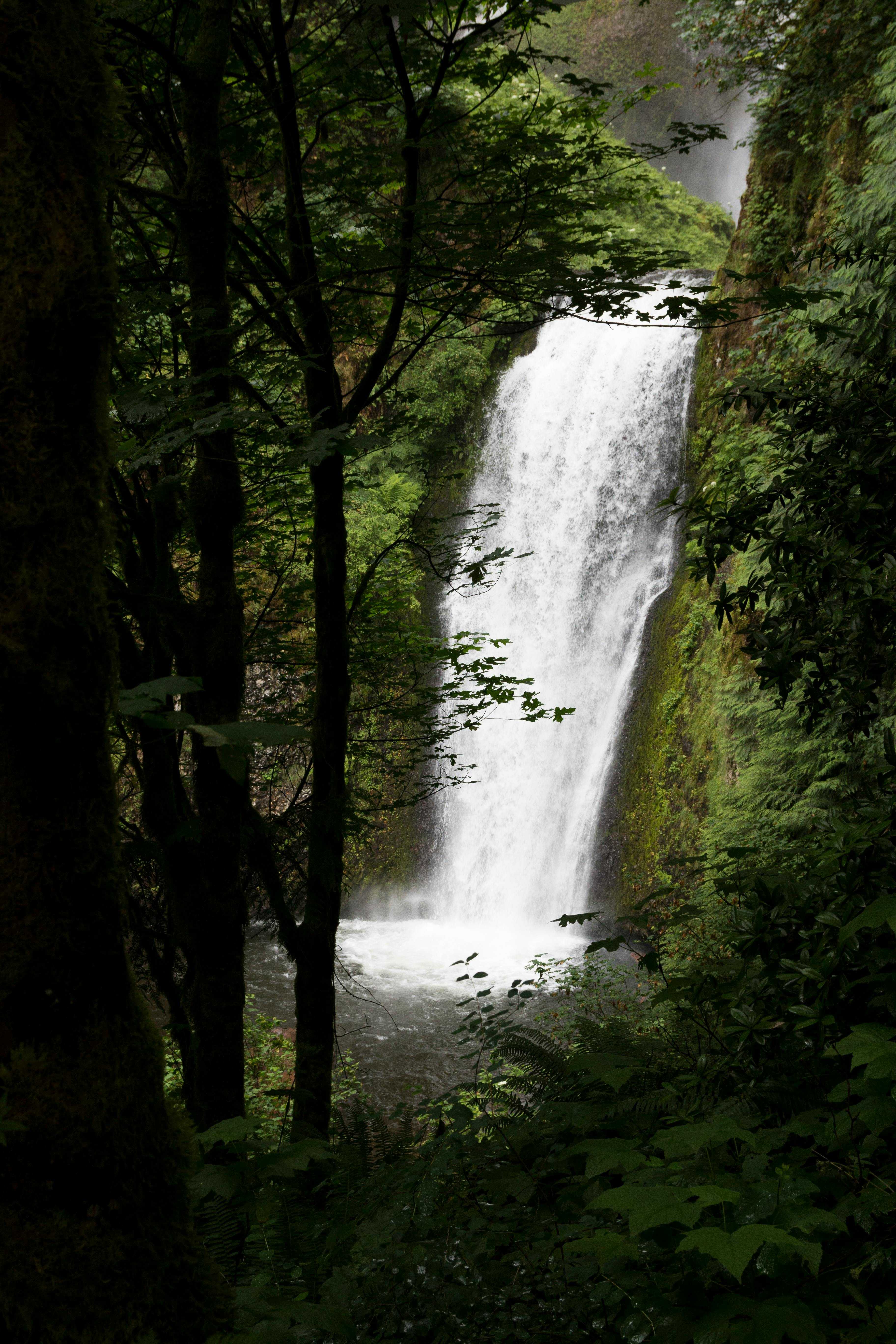
Discover Beaverton, Oregon: Where City Meets Nature Just a stone's throw from Portland, Beaverton offers a unique blend of urban excitement and natural beauty. This vibrant city is a haven for outdoor enthusiasts, foodie…

#Suburb#Pacific Northwest#Tech Hub#Outdoor Recreation#Family-friendly
1/1

Top hotels & flights

Hand-picked stays and the best fares into Beaverton.

Top Hotels in Beaverton

Top Flights to Beaverton

Location videos

Real reels from travelers, plus longer watches to get the full picture.

Watch & explore

Practical info

The essentials for planning your time in Beaverton.

Currency
$ | USD | US Dollar
Population
Information not available.
Languages
English, English
Average weather
Beaverton
Jan
rain
8°2°
Feb
rain
11°2°
Mar
cloud
13°3°
Apr
cloud
16°5°
May
cloud
20°8°
Jun
sun
24°11°
Jul
sun
28°13°
Aug
sun
28°13°
Sep
sun
24°11°
Oct
cloud
18°7°
Nov
rain
12°4°
Dec
rain
8°2°

Local guide

What travelers love, what to watch for, and a deeper read on Beaverton.

What people love

Beaverton, Oregon, located in the United States, offers several advantages for travelers. Some of the pros of traveling to Beaverton include:

  1. Proximity to Portland: Beaverton is located just a short drive away from Portland, one of the most vibrant cities in the Pacific Northwest. Travelers can easily explore the many attractions, restaurants, and cultural offerings of Portland while staying in Beaverton.

  2. Outdoor Activities: Beaverton is surrounded by natural beauty, including parks, hiking trails, and rivers. Outdoor enthusiasts can enjoy activities like hiking, biking, and kayaking in the area.

  3. Shopping and Dining: Beaverton has a variety of shopping centers, restaurants, and cafes to explore. Travelers can enjoy shopping at the popular Washington Square Mall or dining at the many local eateries offering diverse cuisines.

  4. Family-Friendly Attractions: Beaverton is home to attractions like the Oregon Zoo, OMSI (Oregon Museum of Science and Industry), and the Portland Children's Museum, making it a great destination for families with children.

  5. Wine Tasting: Beaverton is located in the heart of Oregon's wine country, giving travelers easy access to numerous wineries and vineyards where they can enjoy wine tastings and tours.

Overall, Beaverton offers a mix of urban amenities, outdoor activities, and cultural attractions, making it a versatile destination for travelers.

What to know

Traveling to Beaverton, Oregon, located in the United States, does not have many cons. However, here are a few potential drawbacks to consider:

  1. Weather - Beaverton experiences a lot of rainy weather, especially during the fall and winter months. If you are not a fan of rain, this may be a deterrent for you.

  2. Traffic - Beaverton is a part of the Portland metropolitan area, and like any major city, it can experience traffic congestion during peak hours. This may affect your travel plans if you are driving around the city.

  3. Cost of living - Beaverton, like many cities in the United States, has a relatively high cost of living. Accommodation, dining, and other expenses may be higher than in other cities or regions.

  4. Limited public transportation - While Beaverton does have public transportation options, they may not be as extensive or convenient as in larger cities. Renting a car might be necessary for getting around efficiently.

  5. Tourist attractions - Beaverton may not have as many tourist attractions or landmarks compared to other cities in Oregon. If you are looking for a destination with a wide range of tourist activities, Beaverton might not be the ideal choice.

Overall, Beaverton is a lovely city with a lot to offer, but these are some potential drawbacks to keep in mind when planning your trip.

Beaverton, Oregon, is a city located in Washington County, part of the Portland metropolitan area. Its history is rich, with roots that go back to the indigenous peoples who first inhabited the region, including the Atfalati band of the Kalapuya Native Americans.

Early History and Settlement

  • Original Inhabitants: The Atfalati band of the Kalapuya people lived in the Tualatin Valley, where Beaverton is located. Their presence predates European-American settlement by thousands of years.
  • European Settlement: The area was settled by European Americans in the mid-19th century. Lawrence Hall, one of the first settlers, arrived in 1847 and established a land claim that would become part of Beaverton.
  • Name Origin: The name "Beaverton" was derived from the settlement's proximity to a large body of water inhabited by beavers.

Development and Incorporation

  • Railroad Arrival: The arrival of the Oregon Electric Railway in 1908 spurred growth, connecting Beaverton to Portland and other areas.
  • Incorporation: Beaverton was officially incorporated as a city in 1893, with Alonzo Cady serving as its first mayor.
  • Agriculture: Initially, the economy was based on farming, with crops such as onions, garlic, and berries being significant.

20th Century Growth

  • Post-War Expansion: After World War II, Beaverton experienced significant suburban growth, as people moved from cities to the suburbs.
  • Technology and Industry: In the latter half of the 20th century, Beaverton became a hub for technology companies, with Tektronix (founded in 1946) and later Nike, Inc. (headquartered nearby) contributing to its economic development.

Significant Events and Figures

  • Tektronix: Founded in 1946, the company was once Oregon's largest private employer and put Beaverton on the map as a technology center.
  • Nike: Though headquartered just outside Beaverton's city limits, Nike's presence has significantly influenced the region's economy and culture.

Important Landmarks

  • Beaverton City Hall: The center of municipal governance, reflecting the city’s administrative history.
  • Beaverton History Center: Managed by the Beaverton Historical Society, it offers exhibits and information on the city's past.
  • Tualatin Hills Nature Park: A large nature preserve that offers insights into the region's natural environment and is a popular recreational area.
  • Beaverton Round: A mixed-use development that represents Beaverton's efforts towards urban density and public transit integration.

Recent Developments

  • Urban Development: Beaverton continues to grow, with developments aimed at increasing urban density and improving public transportation, including the MAX light rail system.
  • Cultural Diversity: The city has become known for its cultural diversity, celebrated through various community events and initiatives.

Beaverton's history is characterized by its transformation from a rural farming community to a suburban city with a strong technological and economic presence in the Pacific Northwest.