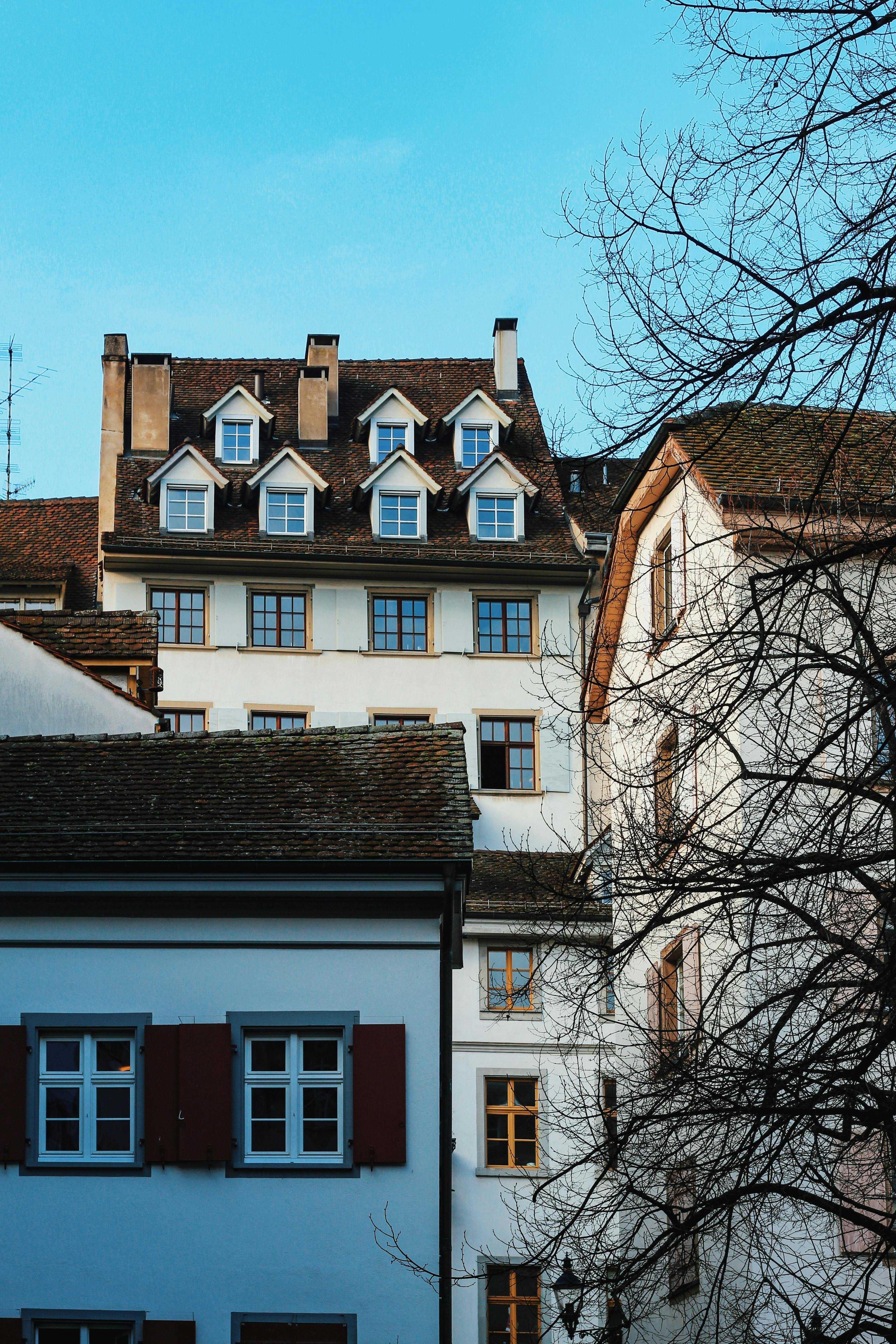

Basel
· CH

Basel

Basel, Basel-Stadt, Switzerland

Basel: Where History Meets Modernity on the Rhine Nestled at the crossroads of Switzerland, France, and Germany, Basel (Basel-Stadt, Switzerland) is a city that effortlessly blends its rich history with a vibrant, contem…

#City#Cultural hub#Rhine river#Historic architecture#Switzerland
1/8

Top hotels & flights

Hand-picked stays and the best fares into Basel.

Top Hotels in Basel

Top Flights to Basel

Location videos

Real reels from travelers, plus longer watches to get the full picture.

From travelers
Watch & explore

Practical info

The essentials for planning your time in Basel.

Currency
CHF | CHF | Swiss Franc
Population
The approximate estimated total population of Basel, Basel-Stadt, Switzerland is 200,000.
Languages
German, German, English, French
Average weather
Basel
Jan
cold
4°-1°
Feb
cold
6°0°
Mar
cloud
11°2°
Apr
cloud
15°5°
May
rain
20°9°
Jun
sun
24°13°
Jul
sun
27°15°
Aug
sun
26°14°
Sep
cloud
21°11°
Oct
cloud
15°7°
Nov
rain
8°3°
Dec
cold
5°0°

Local guide

What travelers love, what to watch for, and a deeper read on Basel.

What people love

Basel, located in Switzerland, is a vibrant city with a rich history and culture, making it a popular destination for travelers. Here are some pros of traveling to Basel:

  1. Cultural Diversity: Basel is known for its cultural diversity, with influences from Switzerland, Germany, and France. This diversity is reflected in the city's architecture, cuisine, and art scene.

  2. Art and Museums: Basel is home to numerous world-class art museums, including the Kunstmuseum Basel and the Fondation Beyeler. The city also hosts the renowned Art Basel fair, attracting art lovers from around the world.

  3. Old Town Charm: Basel's historic Old Town is a picturesque area filled with medieval buildings, cobblestone streets, and charming squares. Visitors can wander through the Old Town, explore the local shops and cafes, and soak in the city's unique atmosphere.

  4. Rhine River: Basel is situated on the banks of the Rhine River, offering stunning views and opportunities for leisurely walks along the riverfront. Visitors can also take boat cruises or swim in the river during the summer months.

  5. Culinary Delights: Basel is known for its delicious food scene, with a wide range of restaurants serving traditional Swiss dishes as well as international cuisine. Visitors can sample local specialties such as fondue, raclette, and Basel-style sausages.

  6. Outdoor Activities: Nature lovers will appreciate Basel's proximity to the Swiss countryside, with opportunities for hiking, biking, and skiing in the nearby Jura Mountains and Black Forest. The city also has beautiful parks and gardens for those seeking a more relaxed outdoor experience.

Overall, Basel offers a mix of culture, history, and natural beauty, making it a great destination for travelers looking to experience the best of Switzerland.

What to know

Some potential cons of traveling to Basel, Switzerland could include:

  1. High cost of living: Switzerland is known for being an expensive country, and Basel is no exception. Accommodation, dining out, and transportation can be quite costly compared to other destinations.

  2. Language barriers: While many people in Basel speak English, the predominant language is Swiss German. Travelers who do not speak German may encounter some difficulties communicating with locals.

  3. Limited nightlife: Basel is not as renowned for its nightlife scene compared to other European cities. If you are looking for a vibrant party atmosphere, you may find the options in Basel to be more limited.

  4. Weather: Basel experiences a relatively high amount of rainfall throughout the year, which could impact outdoor activities and sightseeing plans.

  5. Limited attractions: While Basel has a rich cultural scene with museums and galleries, some travelers may find that the city does not offer as many tourist attractions compared to other larger European cities.

It's worth noting that these cons may vary depending on individual preferences and travel experiences.

Basel is a city with a rich history located in the northwestern part of Switzerland, on the banks of the Rhine River. It is the third-largest city in Switzerland and serves as the capital of the canton of Basel-Stadt. Here is a detailed history of Basel, highlighting significant events, historical figures, and important landmarks:

Early History and Roman Influence

  • Celtic and Roman Basel: Originally settled by the Celts, Basel became an important Roman settlement known as "Basilia" around 44 BC. The strategic location on the Rhine made it a key military and trade post.
  • Roman Remnants: Remains of Roman settlements can still be seen in Basel, including the ruins of the Roman fort on the Münsterhügel, where the Basel Minster now stands.

Medieval Period

  • Bishopric of Basel: Basel became an episcopal see in the 7th century. The city gained prominence as a religious center, with the construction of the Basel Minster beginning in the 9th century.
  • Council of Basel (1431-1449): This ecumenical council was one of the most significant events in Basel's history. It aimed to address church reform and ended with the schism between supporters of the Pope and the Council.
  • University of Basel: Founded in 1460, the University of Basel is the oldest university in Switzerland. It has been an intellectual hub attracting scholars such as Erasmus of Rotterdam and Paracelsus.

Reformation and Modern Era

  • Reformation Influence: Basel was significantly influenced by the Protestant Reformation. In 1529, the city officially adopted Protestantism under the leadership of reformers like Johannes Oecolampadius.
  • Cultural and Economic Growth: During the 16th and 17th centuries, Basel became a center for humanism and printing, contributing to its cultural and economic development.

19th and 20th Century Developments

  • Industrialization: The 19th century saw Basel emerge as an industrial center, particularly in the chemical and pharmaceutical industries, with companies like Novartis and Roche originating here.
  • Basel Convention (1989): This international treaty was adopted in Basel to regulate the transboundary movements of hazardous wastes and their disposal, reflecting the city's ongoing influence in global affairs.

Significant Landmarks

  • Basel Minster: A stunning Gothic cathedral with Romanesque elements, the Minster is an iconic symbol of Basel. It features twin towers, a richly decorated façade, and the tomb of Erasmus.
  • Mittlere Brücke: This historic bridge over the Rhine is one of the oldest in Europe, originally built in 1226 and reconstructed in the 20th century.
  • Kunstmuseum Basel: Known for its impressive collection of art, the museum houses works from the Middle Ages to contemporary art.
  • Spalentor: One of the remaining gates from the old city walls, the Spalentor is a medieval structure that stands as a testament to Basel's history.

Notable Historical Figures

  • Erasmus of Rotterdam: The renowned humanist scholar lived and worked in Basel, where he published many of his works and is buried in the Basel Minster.
  • Paracelsus: The Swiss physician and alchemist studied and taught in Basel, contributing significantly to medical science.

Modern Basel

Today, Basel is a vibrant city known for its cultural scene, hosting events such as Art Basel, a major international art fair. Its strategic location at the borders of Switzerland, France, and Germany makes it a cosmopolitan hub for commerce, culture, and academia.

Basel’s rich history and cultural heritage, along with its role in scientific and industrial innovation, make it a city of great historical and contemporary significance.