
Top hotels & flights
Hand-picked stays and the best fares into Banjarmasin.
Top Hotels in Banjarmasin
Top Flights to Banjarmasin
Location videos
Real reels from travelers, plus longer watches to get the full picture.
Practical info
The essentials for planning your time in Banjarmasin.


Local guide
What travelers love, what to watch for, and a deeper read on Banjarmasin.
What people love
Banjarmasin, located in the province of South Kalimantan in Indonesia, offers a unique and authentic experience for travelers. Here are some pros of traveling to Banjarmasin:
-
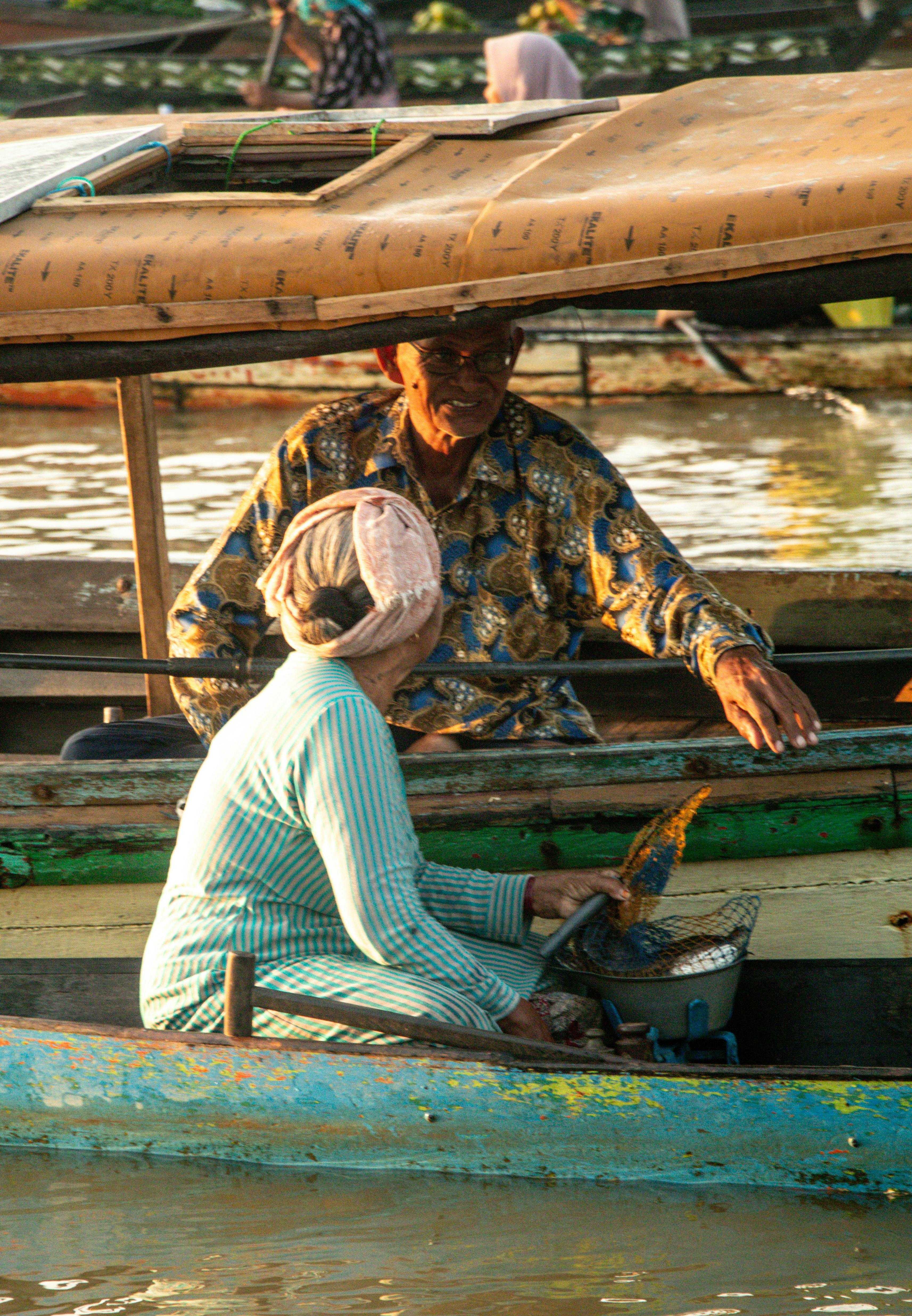
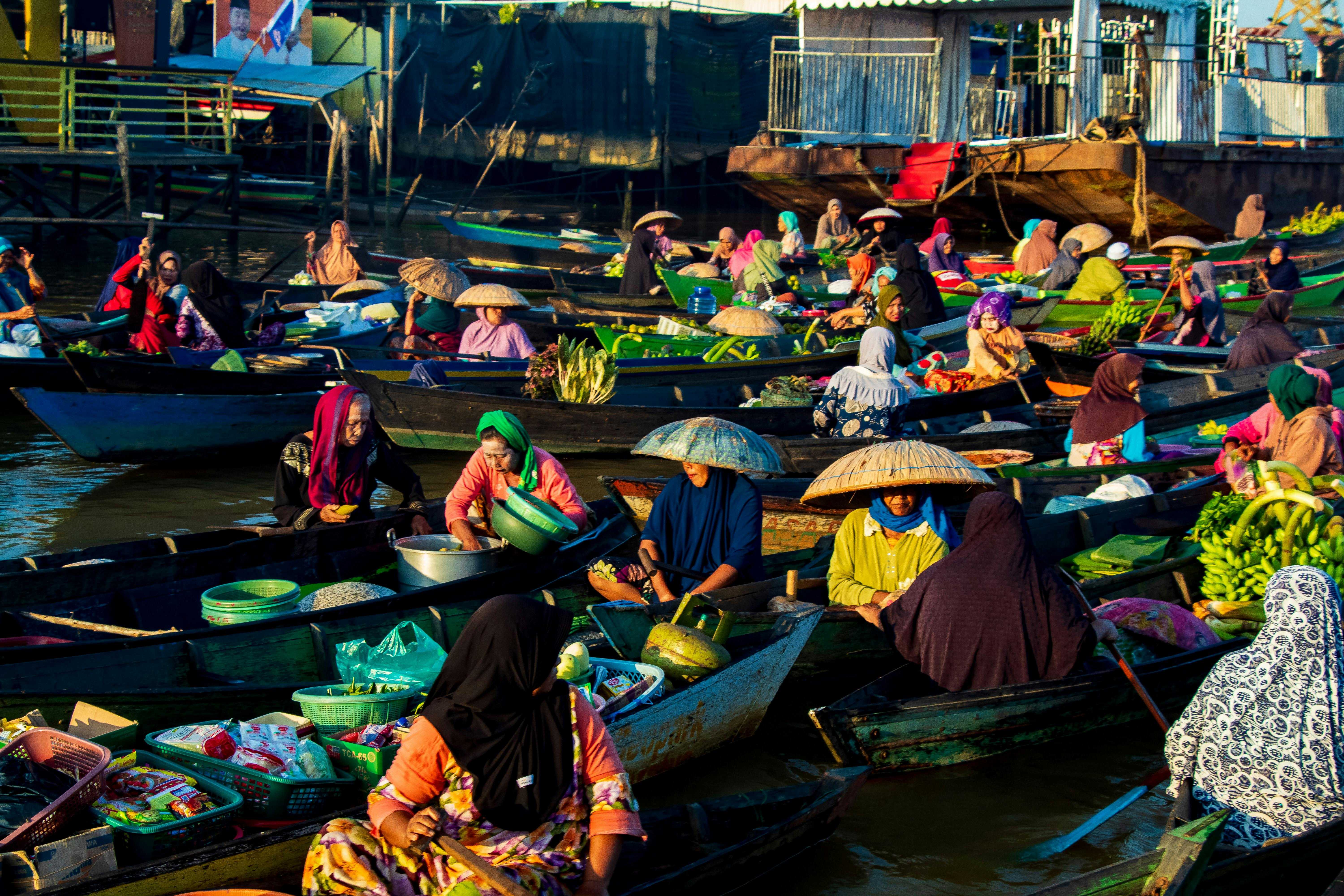
Floating Markets: Banjarmasin is famously known for its floating markets, where local vendors sell fresh produce, snacks, and traditional crafts from boats on the river. Visiting the floating markets offers a glimpse into the local way of life and provides an opportunity to interact with the friendly locals.
-
Cultural Diversity: The city is home to a diverse population with various ethnic groups, including the Banjar, Javanese, Dayak, and Chinese communities. This diversity is reflected in the local cuisine, traditions, and festivals, providing visitors with a rich cultural experience.
-
River Cruises: Banjarmasin is situated on the banks of the Barito River, making it an excellent destination for river cruises. Travelers can take a boat tour along the river to explore the city's waterfront, witness traditional stilt houses, and enjoy the picturesque views of the surrounding mangrove forests.
-
Lively Markets: In addition to the floating markets, Banjarmasin boasts bustling traditional markets where visitors can shop for local handicrafts, textiles, spices, and fresh seafood. The Pasar Terapung Siring Martapura and Pasar Baru are popular marketplaces worth exploring.
-
Natural Beauty: South Kalimantan is known for its stunning natural landscapes, including tropical rainforests, rivers, and wildlife. Travelers can embark on excursions to nearby attractions such as the Martapura River, Kembang Island, and the Meratus Mountains for outdoor adventures and nature exploration.
Overall, traveling to Banjarmasin offers a blend of cultural immersion, scenic beauty, and unique experiences that can make for a memorable trip to this Indonesian city.
What to know
Some potential cons of traveling to Banjarmasin, located in Kalimantan Selatan, Indonesia, may include:
-
Weather: Banjarmasin experiences a tropical climate with high humidity and rainfall throughout the year. Travelers may find it uncomfortable to explore the city in hot and humid conditions, especially during the rainy season.
-
Health concerns: Due to the tropical climate and potential for mosquito-borne diseases, travelers may need to take precautions such as using insect repellent and taking malaria prophylaxis.
-
Language barrier: The primary language spoken in Banjarmasin is Bahasa Indonesia. Travelers who do not speak the language may face challenges communicating with locals and navigating the city.
-
Infrastructure: Banjarmasin may not have the same level of infrastructure and amenities as more touristy destinations in Indonesia. This could mean limited transportation options, accommodations, and tourist facilities.
-
Cultural differences: Travelers should be respectful of local customs and traditions in Banjarmasin, as the city has a unique cultural heritage that may differ from Western norms.
-
Pollution: Like many rapidly developing cities, Banjarmasin may face issues with pollution, particularly in terms of air quality and waste management.
It's important to note that these potential cons may vary depending on individual preferences and travel experiences. It's always a good idea to research thoroughly and consider these factors before planning a trip to Banjarmasin.