

Top hotels & flights
Hand-picked stays and the best fares into Baku.
Top Hotels in Baku
Top Flights to Baku
Location videos
Real reels from travelers, plus longer watches to get the full picture.
Practical info
The essentials for planning your time in Baku.


Local guide
What travelers love, what to watch for, and a deeper read on Baku.
What people love
Baku, the capital city of Azerbaijan, offers several benefits for travelers, making it a popular destination. Here are some of the pros of traveling to Baku:
-
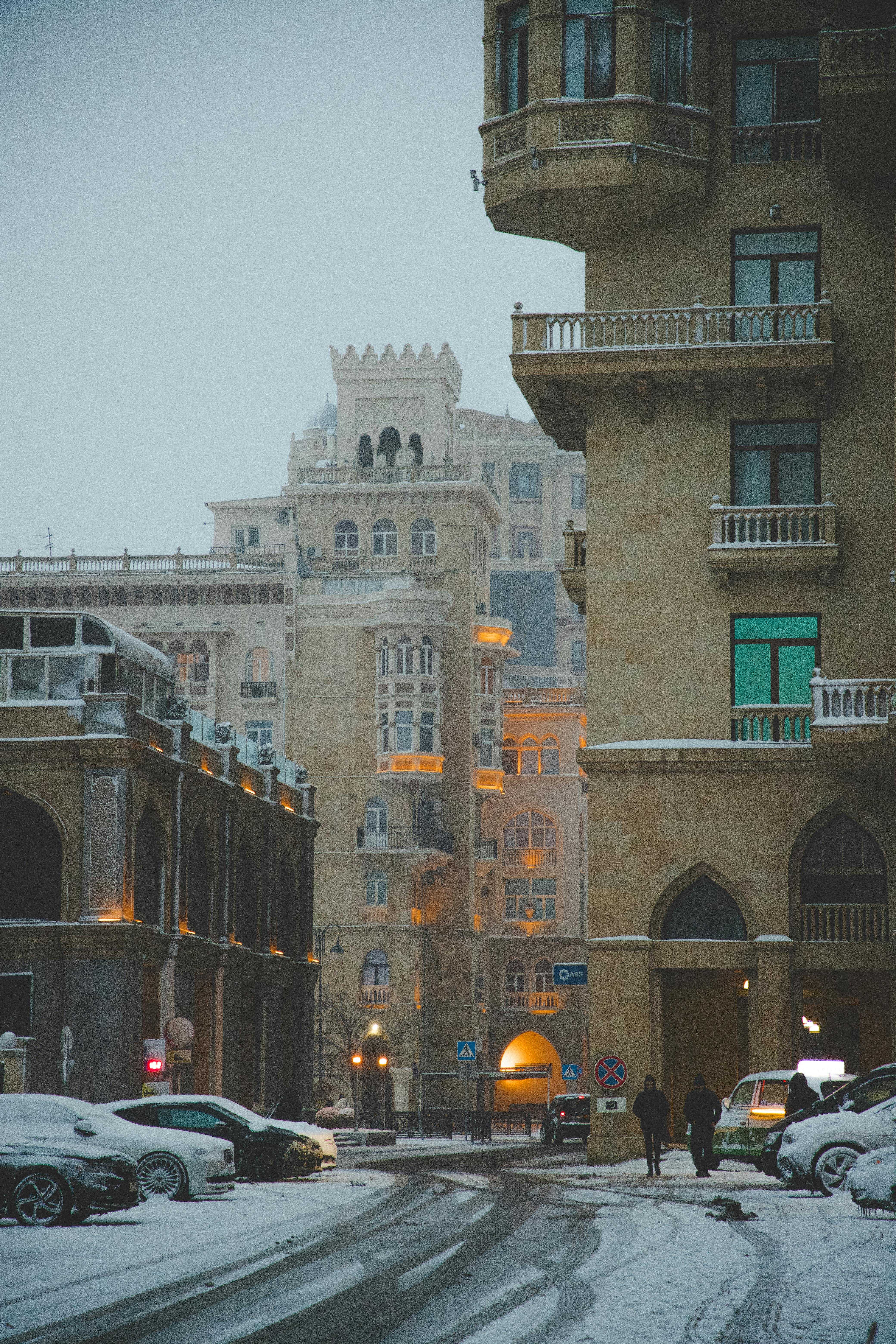
Rich history and culture: Baku has a long and fascinating history, with a mix of influences from Persian, Russian, and Soviet eras. Travelers can explore the city's historic Old Town, which is a UNESCO World Heritage Site, and visit landmarks such as the Palace of the Shirvanshahs and the Maiden Tower.
-
Modern architecture: Baku is known for its striking modern architecture, including the iconic Flame Towers and the Heydar Aliyev Center designed by renowned architect Zaha Hadid. Travelers can marvel at the city's skyline and visit these impressive structures.
-
Beautiful waterfront: Baku is located on the shores of the Caspian Sea, offering stunning waterfront views and a pleasant seaside atmosphere. Travelers can relax by the sea, take a boat tour, or enjoy waterfront dining at the city's many restaurants and cafes.
-
Shopping and dining: Baku is a bustling city with a vibrant shopping and dining scene. Travelers can explore the city's markets and boutiques for unique souvenirs, as well as sample delicious Azerbaijani cuisine at local restaurants and eateries.
-
Nightlife and entertainment: Baku has a lively nightlife with a variety of bars, clubs, and entertainment venues. Travelers can experience the city's vibrant cultural scene, including music festivals, art galleries, and theatrical performances.
Overall, Baku offers a mix of history, culture, architecture, and entertainment, making it a diverse and exciting destination for travelers to explore.
What to know
Traveling to Baku, Azerbaijan, like any destination, has its own set of cons. Some potential drawbacks of traveling to Baku include:
-
Language Barrier: Azerbaijani is the official language in Azerbaijan, and while many locals in Baku may speak English, there can still be instances where communication can be challenging, especially in more remote areas or with older generations.
-
Cultural Differences: Baku is a mix of modern and traditional influences, and travelers may experience cultural differences that may take some time to adjust to. It's important to be respectful of local customs and traditions.
-
Traffic Congestion: Baku is a bustling city, and traffic congestion can be a common issue, especially during peak hours. Navigating the city streets can be challenging for visitors, and public transportation options may also be crowded.
-
Pollution: Baku is known for its oil industry, and as a result, air pollution can be a concern in certain areas of the city. Visitors with respiratory issues may want to take precautions.
-
High Costs: While Baku can be relatively affordable compared to Western cities, prices for certain goods and services may be higher than in other parts of Azerbaijan. Tourist areas and upscale establishments may also have inflated prices.
-
Limited Tourist Infrastructure: While Baku is a popular tourist destination, some areas outside the capital may lack the same level of tourist infrastructure. Travelers venturing off the beaten path may encounter limited accommodation options or amenities.
-
Political Climate: Azerbaijan has a complex political landscape, and travelers should stay informed about any potential political unrest or safety concerns in the region.
It's important to note that these cons should not deter travelers from visiting Baku, as the city has much to offer in terms of culture, history, and hospitality. With proper planning and awareness, visitors can have a rewarding and memorable experience in Baku.