
Baden-Baden
· DE

Baden-Baden

Baden-Baden, Baden-Wurttemberg, Germany

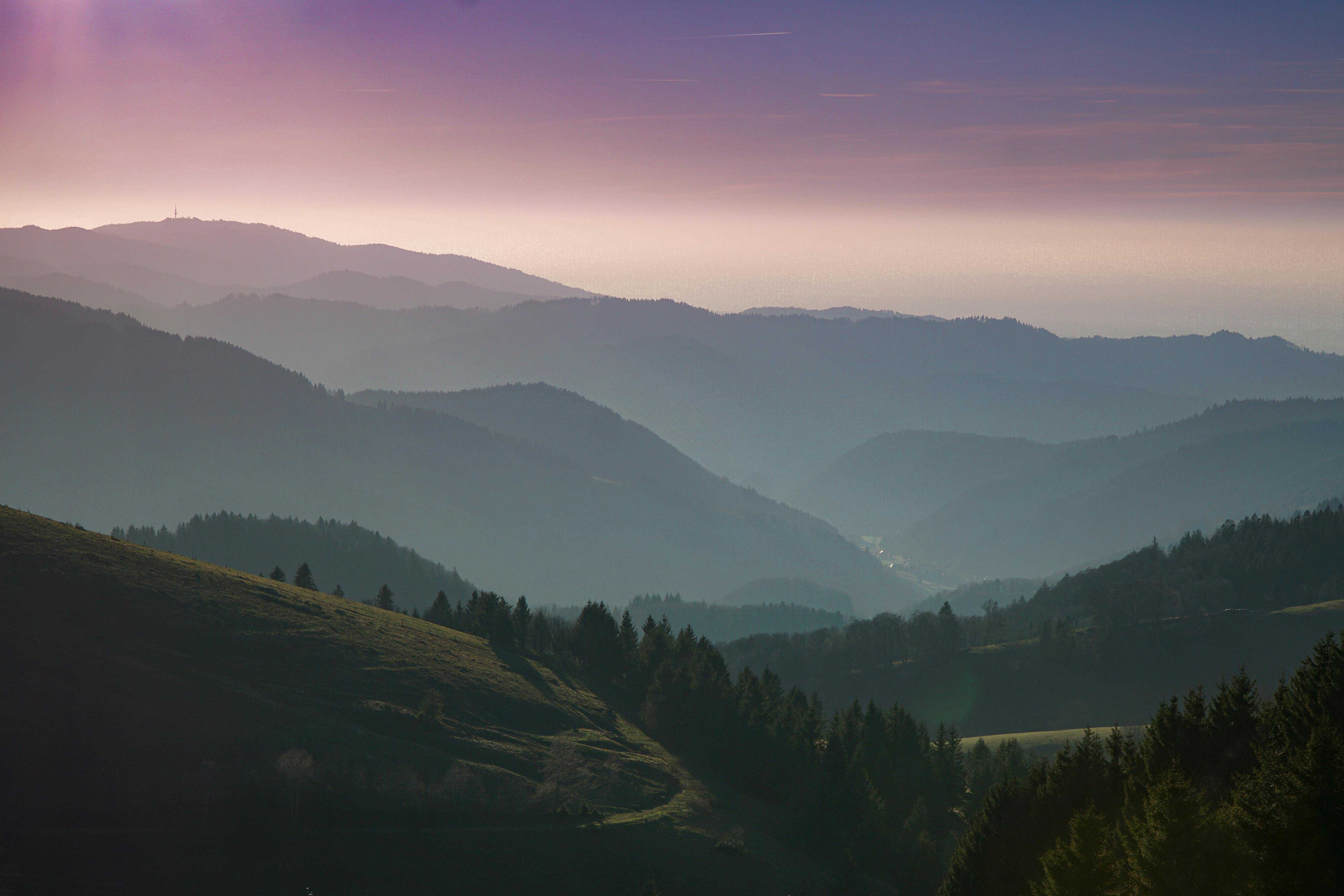
Escape to Baden-Baden: Where Elegance Meets Nature's Embrace Nestled in the picturesque Black Forest of southwestern Germany lies Baden-Baden, a spa town so enchanting it was dubbed the "Summer Capital of Europe" in the …

#Spa town#Thermal baths#Luxury#Renaissance architecture#Black Forest
1/22

Top hotels & flights

Hand-picked stays and the best fares into Baden-Baden.

Top Hotels in Baden-Baden

Top Flights to Baden-Baden

Location videos

Real reels from travelers, plus longer watches to get the full picture.

From travelers

Practical info

The essentials for planning your time in Baden-Baden.

Currency
€ | EUR | Euro
Population
55,000
Languages
German, German
Average weather
Baden-Baden
Jan
cold
4°-1°
Feb
cold
6°-1°
Mar
cloud
11°1°
Apr
rain
15°4°
May
rain
19°8°
Jun
sun
23°12°
Jul
sun
26°14°
Aug
sun
25°14°
Sep
cloud
21°11°
Oct
rain
15°6°
Nov
cloud
8°2°
Dec
cold
5°-1°

Local guide

What travelers love, what to watch for, and a deeper read on Baden-Baden.

What people love

There are several pros of traveling to Baden-Baden, Germany:

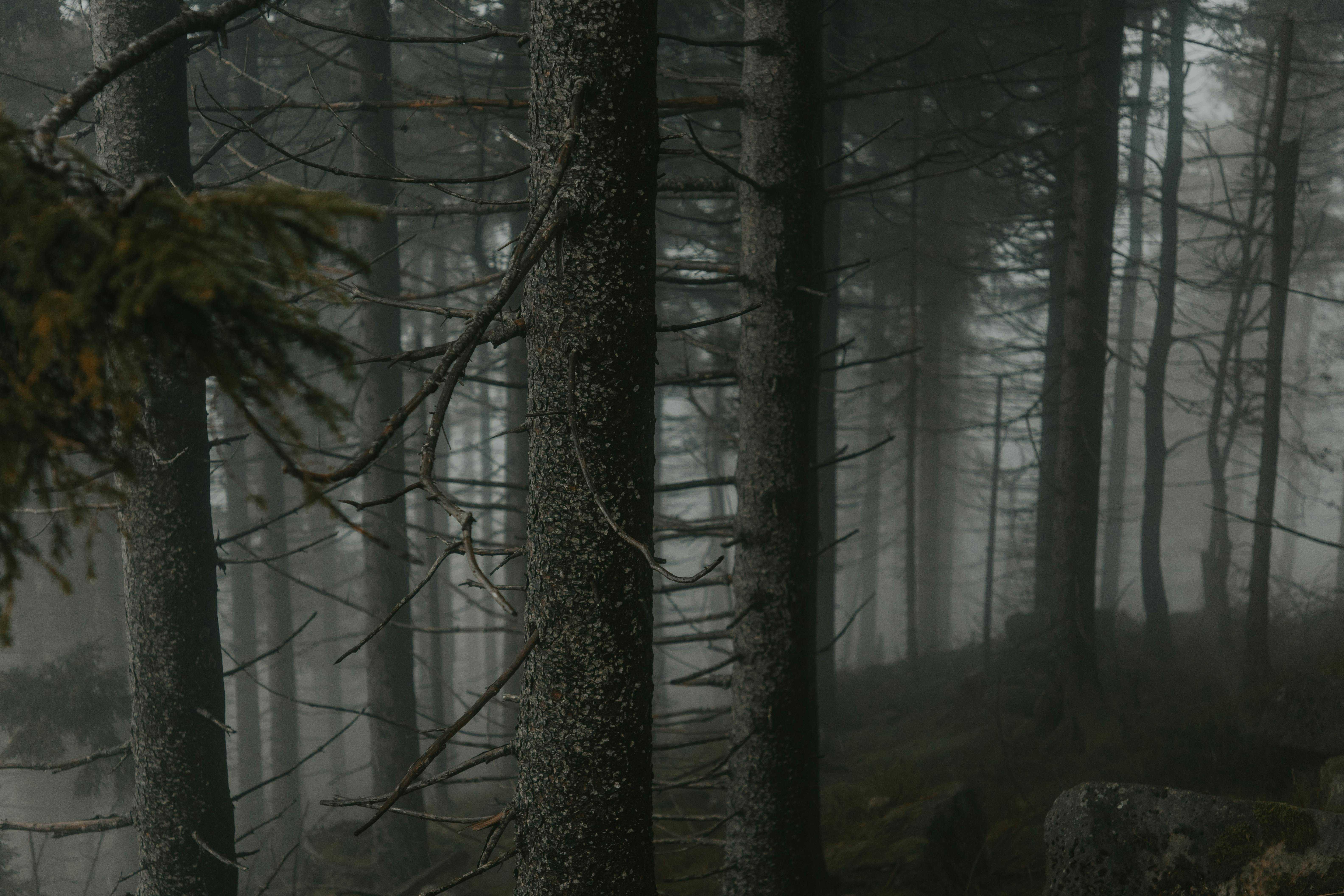
  1. Natural Beauty: Baden-Baden is known for its stunning natural surroundings, including the Black Forest and the River Oos. Visitors can enjoy hiking, biking, or simply taking in the picturesque landscapes.

  2. Thermal Baths: Baden-Baden is famous for its thermal baths, which have been used for relaxation and healing purposes for centuries. Visitors can indulge in spa treatments, thermal pools, and saunas for a truly rejuvenating experience.

  3. Cultural Attractions: The city is home to several cultural attractions, such as the Festspielhaus Baden-Baden, one of the largest opera houses in Europe, and the Museum Frieder Burda, which showcases contemporary art.

  4. Casino: Baden-Baden is also known for its historic and elegant casino, which dates back to the 19th century. Visitors can try their luck at the tables or simply admire the stunning architecture of the building.

  5. Shopping and Dining: The city offers a range of shopping opportunities, from high-end boutiques to charming local shops. There are also many restaurants serving delicious German cuisine and international fare.

Overall, Baden-Baden offers a mix of natural beauty, cultural attractions, and relaxation opportunities, making it a great destination for travelers looking to unwind and experience a taste of luxury.

What to know

Traveling to Baden-Baden, located in Baden-Württemberg, Germany, may have some cons that visitors should be aware of:

  1. Expensive: Baden-Baden is known as a luxury destination, so visitors should be prepared for higher prices compared to other places in Germany. Accommodation, dining, and activities may be more costly.

  2. Limited public transportation: While Baden-Baden is a relatively small city, public transportation options may be limited, especially in the evenings or on weekends. Renting a car may be necessary for exploring the surrounding area.

  3. Seasonal crowds: Baden-Baden is a popular tourist destination, especially during the summer and peak holiday seasons. Visitors may encounter crowds at popular attractions and may need to book accommodations and activities in advance.

  4. Limited nightlife: Baden-Baden is known for its spa culture and relaxed atmosphere, so visitors looking for a vibrant nightlife scene may find options limited compared to larger cities.

  5. Language barrier: While many people in Baden-Baden may speak English, German is the primary language. Visitors who do not speak German may encounter some language barriers, especially in more local establishments.

Overall, while Baden-Baden is a beautiful and historic city with much to offer, visitors should be prepared for potential challenges such as higher costs, limited transportation options, seasonal crowds, limited nightlife, and potential language barriers.

Baden-Baden is a spa town located in the state of Baden-Württemberg, Germany. It is renowned for its thermal baths, rich history, and cultural significance. Below is a detailed history of Baden-Baden, along with significant events, historical figures, and important landmarks:

Early History and Roman Times

  • Roman Era: Baden-Baden's history as a spa town dates back to the Roman times. The Romans were drawn to the area by the thermal springs and established the settlement known as "Aquae" around 70 AD. They built extensive bathhouses, remnants of which can still be seen today at the "Friedrichsbad" and Roman Bath Ruins.

Middle Ages

  • 12th Century: The town became the seat of the Margraviate of Baden. The name "Baden" itself is derived from the German word for baths, reflecting the town's spa heritage.
  • Castle of Hohenbaden: Constructed in the 12th century, this castle served as the residence of the Margraves of Baden until the 15th century.

Renaissance and Baroque Period

  • 16th Century: The town suffered during the Thirty Years' War but maintained its status as a spa destination.
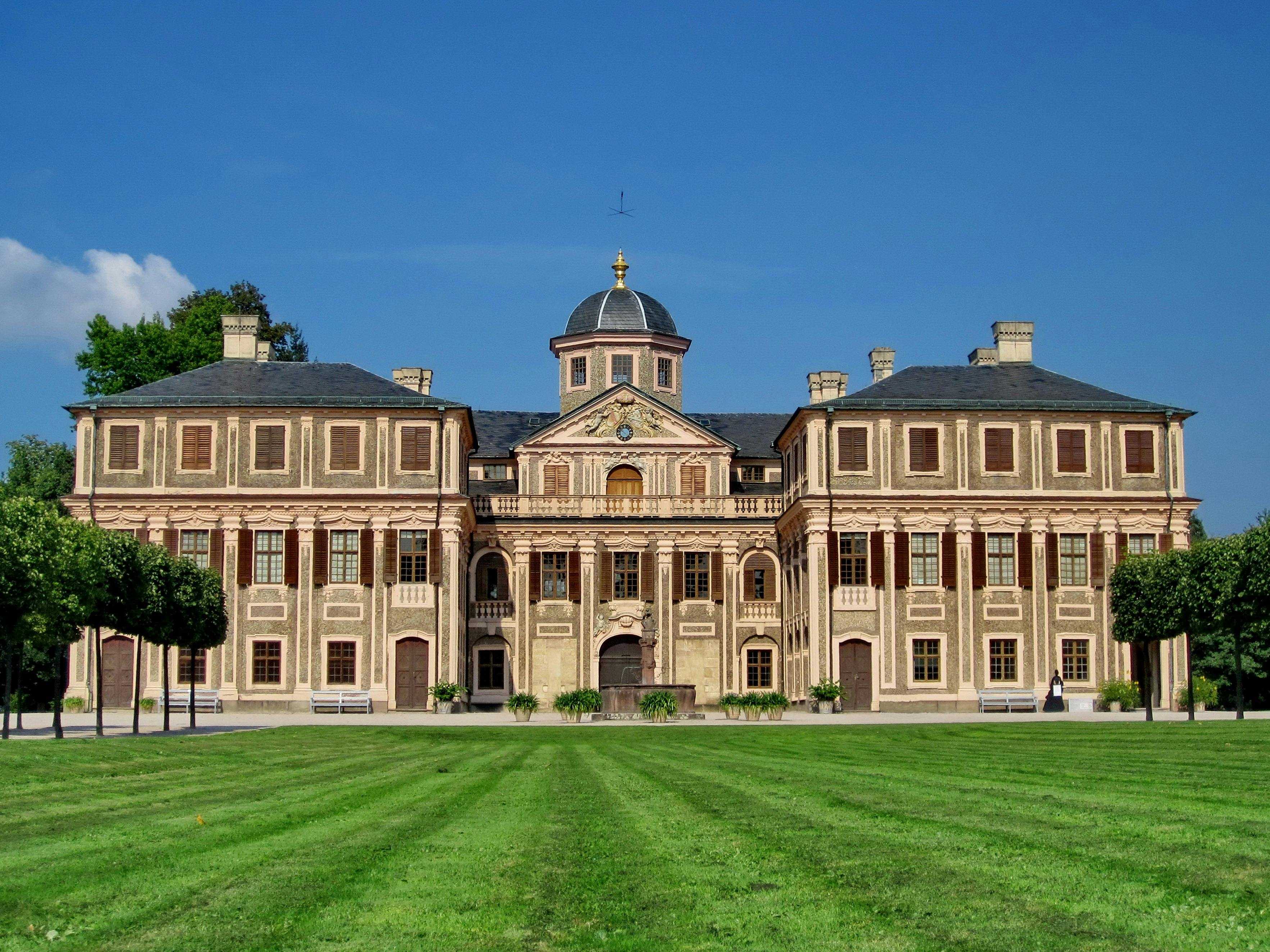
  • 17th Century: The construction of the Neues Schloss (New Castle) began and became the residence of the Margraves of Baden-Baden.

19th Century – The Golden Age

  • 19th Century: This period marked the golden age of Baden-Baden, as it became a fashionable resort for European nobility and celebrities. It was during this time that the town earned the nickname "the summer capital of Europe."
  • Famous Visitors: The town attracted many notable figures, including Queen Victoria, Napoleon III, and Russian writer Fyodor Dostoevsky, who wrote part of his novel "The Gambler" while staying in Baden-Baden.
  • Kurhaus and Casino: The Kurhaus, built in the early 19th century, and its casino became central to the town’s social scene. Designed by Friedrich Weinbrenner, the casino is one of the oldest in Germany and remains a major attraction.

20th Century to Present

  • World Wars: The town was relatively unscathed during both World War I and World War II. After World War II, Baden-Baden became the headquarters for the French forces in Germany.
  • Cultural Significance: The town has continued to be a center for the arts. The Festspielhaus Baden-Baden, one of Europe’s largest opera houses, opened in 1998 and hosts numerous performances, including opera, ballet, and concerts.
  • UNESCO World Heritage Site: In 2021, Baden-Baden was designated as part of the "Great Spa Towns of Europe," a UNESCO World Heritage Site, recognizing its historical significance in the development of European spa culture.

Landmarks and Attractions

  • Caracalla Spa: A modern spa facility offering thermal baths, saunas, and wellness treatments.
  • Friedrichsbad: A historic bathing house combining Roman and Irish traditions, offering a unique spa experience.
  • Lichtentaler Allee: A renowned park and arboretum that has been a popular promenade since the 17th century.
  • Trinkhalle: Built in the 19th century, this colonnade features frescoes and is part of the Kurhaus complex.

Baden-Baden remains a vibrant blend of historical charm and modern luxury, continuing its legacy as a premier spa and cultural destination.