

Aso
· JP

Aso

Aso, Kumamoto, Japan

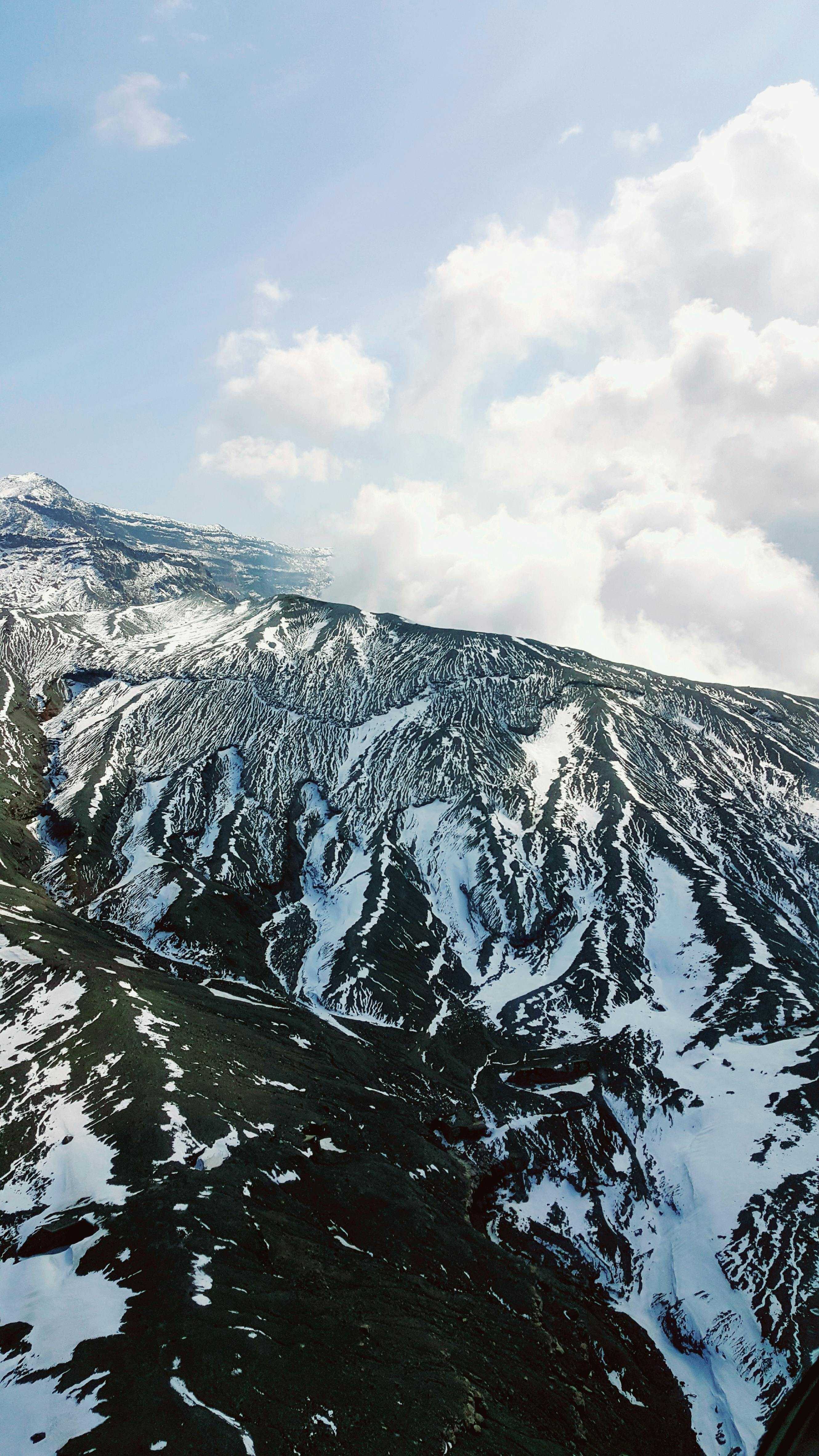
Aso, located in Kumamoto, Japan, is a truly enchanting destination that offers a unique blend of stunning natural beauty and rich cultural heritage. The town is best known for its breathtaking Aso Caldera, one of the lar…

#Volcano#Mount Aso#Kumamoto#Japan#Scenic Views
1/4

Top hotels & flights

Hand-picked stays and the best fares into Aso.

Top Hotels in Aso

Top Flights to Aso

Location videos

Real reels from travelers, plus longer watches to get the full picture.

From travelers

Practical info

The essentials for planning your time in Aso.

Currency
¥ | JPY | Japanese Yen
Population
Not Available
Languages
Japanese, Japanese
Average weather
Aso
Jan
snow
6°-2°
Feb
snow
7°-1°
Mar
cloud
11°1°
Apr
cloud
17°6°
May
rain
22°11°
Jun
rain
25°16°
Jul
rain
29°21°
Aug
hot
30°21°
Sep
rain
26°18°
Oct
cloud
21°11°
Nov
cloud
15°5°
Dec
snow
9°0°

Local guide

What travelers love, what to watch for, and a deeper read on Aso.

What people love

Aso, located in Kumamoto, Japan, offers a unique and beautiful travel experience with several pros:

  1. Natural Beauty: Aso is home to Aso-Kuju National Park, which showcases stunning landscapes including the active volcanic caldera of Mount Aso, lush greenery, and picturesque countryside. The Aso region is known for its rugged terrain, expansive grasslands, and unique geological formations.

  2. Outdoor Activities: The area around Aso offers a wide range of outdoor activities such as hiking, cycling, and horseback riding. Visitors can explore the Aso caldera, hike to the summit of Mount Aso, or enjoy a leisurely stroll through the scenic countryside.

  3. Hot Springs: Aso is known for its numerous hot springs (onsen) where visitors can relax and unwind in the healing mineral waters. Some onsens offer stunning views of the surrounding mountains and countryside, providing a truly rejuvenating experience.

  4. Cultural Attractions: Aso is rich in history and culture, with attractions such as Aso Shrine, Komezuka volcanic cone, and the Aso Volcano Museum. Visitors can learn about the region's volcanic activity, traditional crafts, and local festivals.

  5. Local Cuisine: Aso is known for its delicious local cuisine, including Akaushi beef, horse sashimi, and Aso soba noodles. Visitors can indulge in authentic Japanese dishes made with fresh, local ingredients.

Overall, traveling to Aso in Kumamoto, Japan, offers a unique blend of natural beauty, outdoor activities, cultural attractions, and culinary delights, making it a must-visit destination for nature lovers and adventure seekers.

What to know

Some potential cons of traveling to Aso in Kumamoto, Japan could include:

  1. Natural Disasters: Aso is situated near several active volcanoes, including Mount Aso itself. There is a risk of volcanic activity, earthquakes, and other natural disasters which could disrupt travel plans and pose a danger to visitors.

  2. Limited Public Transportation: Aso is a rural area and may have limited public transportation options, making it challenging to get around without a car. This could limit your ability to explore the area fully.

  3. Weather Conditions: The region experiences extreme weather conditions at times, including heavy rainfall during the rainy season and potential snowfall in winter. This could impact travel plans and activities.

  4. Language Barrier: Aso may not be as tourist-friendly as more popular destinations in Japan, so English may not be as widely spoken. This could make communication and navigation more challenging for international visitors.

  5. Limited Accommodation Options: As a less touristy area, Aso may have fewer accommodation options compared to larger cities in Japan. It's important to book accommodations in advance to ensure availability.

Overall, while Aso is a beautiful and unique destination with its volcanic landscapes and natural beauty, travelers should be aware of these potential challenges when planning a trip to the area.

Aso, located in Kumamoto Prefecture on the island of Kyushu, Japan, is a city known for its dramatic landscapes and geological significance, particularly the Aso Caldera, one of the largest volcanic calderas in the world. Here is an overview of the history and significant aspects of Aso:

Geography and Natural Features

  • Aso Caldera: The city's most prominent feature is the Aso Caldera, which is approximately 25 kilometers in diameter. Within the caldera is Mount Aso, an active volcano with one of the world's largest volcanic craters.
  • Mount Aso: The central peak of the caldera, Mount Aso, has one of the world's most active craters and is a major tourist attraction. The Nakadake crater emits smoke and occasionally erupts, attracting volcanologists and tourists alike.

Historical Background

  • Ancient History: The area around Aso has been settled since ancient times due to its fertile volcanic soil. Agriculture, especially rice farming, has traditionally been the backbone of the local economy.
  • Mythology: According to Japanese mythology, the creation of the Aso region is attributed to the deity Takeiwatatsu-no-Mikoto, who is said to have cleared the land for agriculture.

Cultural and Historical Landmarks

  • Aso Shrine: One of the oldest shrines in Japan, Aso Shrine is dedicated to Takeiwatatsu-no-Mikoto. It is a center of Shinto worship and plays a significant role in local cultural traditions. The shrine has a history spanning over 2,000 years and is known for its unique architecture.
  • Aso Volcano Museum: This museum provides educational exhibits about the geology of the Aso region, volcanic activity, and the history of the area. It is a valuable resource for understanding the natural forces that shaped the region.

Modern Developments

  • Tourism: The natural beauty and geological features of Aso have made it a popular destination for tourists. Visitors can enjoy hot springs, hiking, and scenic views of the caldera and surrounding landscapes.
  • Transportation: The city is accessible by the JR Hohi Main Line, which connects it to Kumamoto City and other parts of Kyushu. The Aso-Kuju National Park, encompassing the caldera and surrounding mountains, is a significant draw for visitors.

Recent Events

  • 2016 Kumamoto Earthquakes: In April 2016, the Aso region was affected by a series of strong earthquakes that caused significant damage to infrastructure and landmarks, including Aso Shrine. Efforts have been ongoing to restore and rebuild affected areas.

Significance

  • Aso remains a vital center for both cultural heritage and natural beauty. Its unique geological features and historical sites continue to attract researchers, tourists, and those interested in Japanese culture and history.

This overview highlights the rich history and significance of Aso, Kumamoto, as a place of natural wonder and cultural heritage.