
Asenovgrad
· BG

Asenovgrad

Asenovgrad, Plovdiv, Bulgaria

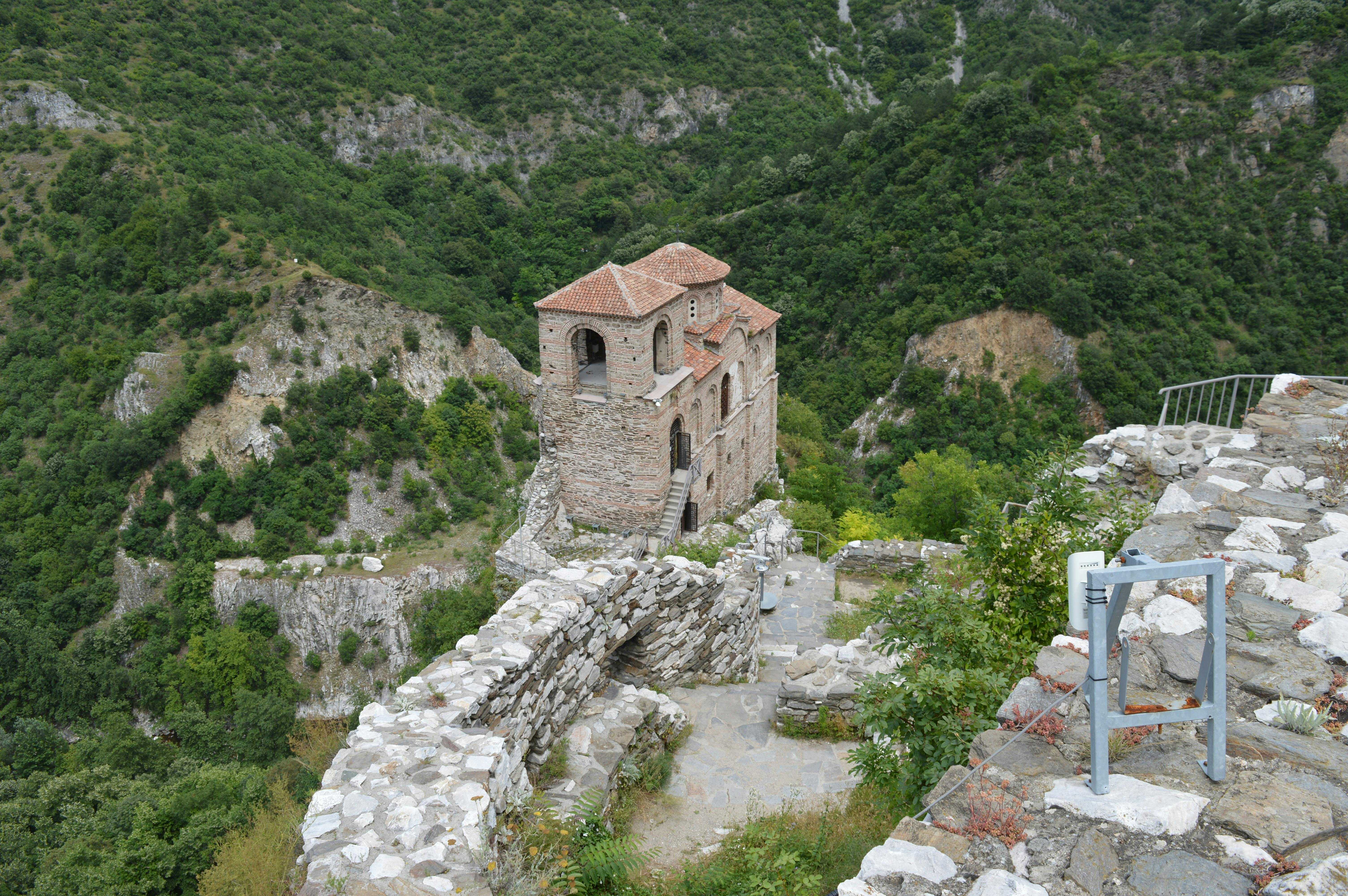
Journey to Asenovgrad: Where History Meets Nature in the Heart of Bulgaria Nestled amidst rolling hills and vineyards, just a stone's throw from Plovdiv, lies Asenovgrad - a charming town where ancient history whispers t…

#Asenovgrad#Plovdiv#Bulgaria#historic sites#cultural heritage
1/1

Top hotels & flights

Hand-picked stays and the best fares into Asenovgrad.

Top Hotels in Asenovgrad

Top Flights to Asenovgrad

Practical info

The essentials for planning your time in Asenovgrad.

Currency
лв | BGN | Bulgarian Lev
Population
Information not available.
Languages
Bulgarian, Turkish
Average weather
Asenovgrad
Jan
cold
5°-3°
Feb
cold
7°-2°
Mar
cloud
12°1°
Apr
rain
17°5°
May
cloud
22°10°
Jun
sun
27°14°
Jul
hot
30°16°
Aug
hot
30°16°
Sep
sun
25°12°
Oct
cloud
18°7°
Nov
rain
11°2°
Dec
cold
6°-1°

Local guide

What travelers love, what to watch for, and a deeper read on Asenovgrad.

What people love

Asenovgrad, located in the Plovdiv region of Bulgaria, offers a unique travel experience with several advantages for visitors. Here are some pros of traveling to Asenovgrad:

  1. Rich History: Asenovgrad is steeped in history, with several historical sites such as the Asen's Fortress, which dates back to the 13th century. Visitors can explore the fortress and learn about its significance in Bulgarian history.

  2. Scenic Beauty: The town is surrounded by picturesque landscapes, including the Rhodope Mountains and the Chepelare River. Nature lovers will appreciate the stunning views and opportunities for outdoor activities such as hiking and photography.

  3. Cultural Heritage: Asenovgrad is known for its traditional Bulgarian architecture, charming old town, and vibrant local culture. Visitors can immerse themselves in the local traditions, cuisine, and folklore, making for a truly authentic travel experience.

  4. Wine Tourism: The region around Asenovgrad is known for its vineyards and wineries, producing high-quality wines. Wine enthusiasts can enjoy wine tastings, vineyard tours, and learn about the rich winemaking traditions of the area.

  5. Accessibility: Asenovgrad is conveniently located near the city of Plovdiv, making it easily accessible by road or public transportation. Visitors can combine a trip to Asenovgrad with exploring other nearby attractions in the region.

Overall, traveling to Asenovgrad offers a blend of history, culture, natural beauty, and culinary delights, making it a rewarding destination for travelers seeking an authentic Bulgarian experience.

Enjoy your trip to Asenovgrad!

What to know

Asenovgrad is a small town located in the Plovdiv region of Bulgaria. While it is a charming destination with historical sites and a picturesque setting, there are a few potential cons to consider when traveling there:

  1. Limited tourist infrastructure: Asenovgrad is not as well-known or developed for tourism compared to larger cities in Bulgaria like Sofia or Plovdiv. This could mean fewer accommodation options, limited dining choices, and fewer amenities for travelers.

  2. Language barrier: English may not be as widely spoken in Asenovgrad as in more touristy areas, so communication could be a challenge for non-Bulgarian speakers.

  3. Limited public transportation: Asenovgrad is a smaller town, so public transportation options within the town and to other destinations may be limited. Renting a car could be necessary for exploring the surrounding area.

  4. Seasonal considerations: Asenovgrad experiences hot summers and cold winters, so the weather may not be ideal for all travelers depending on the time of year.

  5. Potential for crowds: While Asenovgrad is not as heavily touristed as other Bulgarian cities, popular attractions like Asen's Fortress or the Bachkovo Monastery could still attract crowds during peak tourist seasons.

Overall, while Asenovgrad offers a unique and authentic Bulgarian experience, travelers should be prepared for the potential challenges that come with visiting a smaller, less touristy destination.

Asenovgrad, located in the Plovdiv Province of Bulgaria, is a town with a rich and diverse history. It is situated at the foot of the Rhodope Mountains, approximately 19 kilometers south of the city of Plovdiv. The town is known for its historical significance, religious sites, and natural beauty.

Ancient and Medieval History

  1. Thracian and Roman Periods:

    • The area around Asenovgrad has been inhabited since ancient times. Initially, it was part of the Thracian civilization, which was prominent before the Roman expansion into the region.
    • During the Roman period, the town became part of the Roman Empire, benefiting from the strategic location and the cultural exchange that ensued.
  2. Byzantine Era:

    • The town's significance grew during the Byzantine Empire. It was a strategic location due to its proximity to the mountain passes leading to the Aegean Sea.
  3. Asen Dynasty:

    • The town was named after Tsar Ivan Asen II, a ruler of the Second Bulgarian Empire who reigned from 1218 to 1241. It was during this period that the town gained prominence.
    • The most notable landmark from this era is the Asen's Fortress (Asenova Krepost), which dates back to the 13th century. The fortress was significantly fortified during the reign of Ivan Asen II and served as a crucial defensive structure.

Ottoman Period

  • During the Ottoman rule, which began in the late 14th century and lasted for about five centuries, the town continued to develop as an administrative center.
  • Despite the challenges of Ottoman rule, Asenovgrad maintained its cultural and religious identity. It became a center for Christian Orthodox activity, with numerous churches and monasteries established in and around the town.

Modern Era

  1. 19th and Early 20th Century:

    • Asenovgrad played a role in the Bulgarian National Revival, a period marked by a resurgence of Bulgarian culture and national identity.
    • After Bulgaria gained independence from the Ottoman Empire in 1878, Asenovgrad became part of the newly formed Bulgarian state.
  2. Post-World War II:

    • In the communist era, the town saw industrial development. It became known for its production of wine and tobacco products.
    • Asenovgrad is sometimes referred to as "The Little Jerusalem" due to the large number of churches and religious buildings in the area.

Important Landmarks

  1. Asen's Fortress:

    • A medieval fortress offering panoramic views of the surrounding mountains. It has a well-preserved church, the Church of the Holy Mother of God, which is a prime example of medieval Bulgarian architecture.
  2. Bachkovo Monastery:

    • Located near Asenovgrad, it is one of the largest and oldest Eastern Orthodox monasteries in Europe, founded in 1083. It is a significant cultural and religious center.
  3. St. John the Baptist Church:

    • It is one of the many historic churches in Asenovgrad, known for its intricate frescoes and architecture.
  4. Ethnographic Museum:

    • The museum showcases the cultural and historical artifacts of the region, offering insights into the traditional lifestyle and customs of the local population.

Cultural Significance

  • Asenovgrad is known for its rich traditions, particularly its wine-making, which has been a staple of the local economy and culture for centuries.
  • The town hosts various cultural and religious festivals, celebrating its diverse heritage and vibrant community life.

Asenovgrad remains a town where history and culture intertwine, offering visitors a glimpse into Bulgaria's past and present.